


In the fast-paced environment of modern life, the concept of self-care has evolved significantly. You may have noticed that the traditional notions of self-care—long spa days, extensive retreats, or elaborate wellness routines—often feel out of reach. With the demands of work, family, and social obligations, finding time for lengthy self-care practices can seem impossible. This is where micro-self-care comes into play. It has emerged as a practical solution for those who want to prioritize their well-being without the need for extensive time commitments. As you navigate your busy schedule, you might find that these small, intentional acts of self-care can make a significant difference in your overall mental and emotional health.
Micro-self-care is not just a trend; it reflects a growing awareness of the importance of mental health in our daily lives. As you juggle various responsibilities, you may feel overwhelmed and stressed, leading to burnout. The rise of micro-self-care acknowledges that even the smallest actions can contribute to your well-being. Whether it’s taking a few deep breaths during a hectic day or enjoying a moment of quiet with a cup of tea, these brief moments can help you recharge and refocus. In a world that often glorifies busyness, micro-self-care offers a refreshing perspective: that taking care of yourself doesn’t have to be time-consuming or complicated.
Understanding the Concept of Micro-Self-Care
Micro-self-care is about integrating small, manageable practices into your daily life that promote your well-being. You might think of it as a series of tiny rituals that can be easily woven into your routine, allowing you to nurture yourself without feeling overwhelmed. This approach emphasizes the idea that self-care doesn’t always have to be grand or elaborate; instead, it can be as simple as pausing for a moment to appreciate your surroundings or taking a short walk during your lunch break. By recognizing the value of these small acts, you can cultivate a more mindful and balanced lifestyle.
At its core, micro-self-care encourages you to be intentional about your well-being in the midst of your busy life. It invites you to take a step back and assess what you truly need at any given moment. This could mean allowing yourself a few minutes of solitude to recharge or engaging in a quick mindfulness exercise to alleviate stress. By understanding that self-care can be both simple and effective, you empower yourself to prioritize your mental and emotional health without adding extra pressure to your already full schedule.
How Micro-Self-Care Differs from Traditional Self-Care Practices
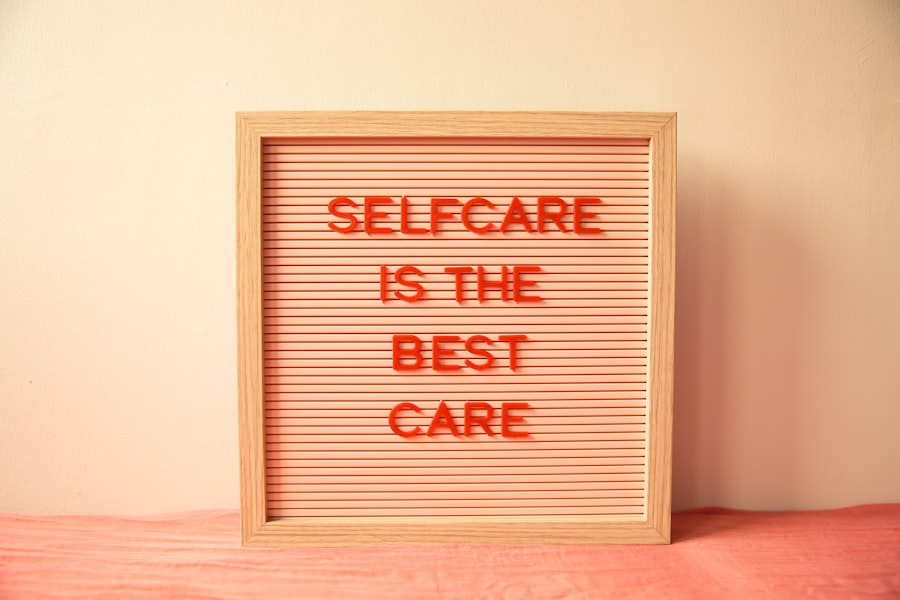
While traditional self-care practices often involve dedicated time and resources—think spa days, yoga retreats, or lengthy meditation sessions—micro-self-care focuses on the small moments that can easily fit into your day. You may find that traditional self-care can feel like an additional task on your to-do list, whereas micro-self-care is about embracing spontaneity and simplicity. This shift in perspective allows you to engage in self-care without the guilt or pressure that often accompanies more extensive practices.
Moreover, micro-self-care recognizes that not everyone has the same needs or preferences when it comes to self-care. You might prefer a quick stretch at your desk over an hour-long yoga class, or perhaps sipping herbal tea while reading a few pages of a book feels more rejuvenating than a weekend getaway. This flexibility makes micro-self-care accessible to everyone, regardless of their lifestyle or circumstances. By focusing on what works best for you in the moment, you can create a personalized self-care routine that enhances your well-being without feeling burdensome.
Incorporating Micro-Self-Care into Your Daily Routine

Integrating micro-self-care into your daily routine can be both simple and rewarding. Start by identifying small pockets of time throughout your day where you can pause and engage in self-care activities. For instance, during your morning commute, you might listen to a calming podcast or practice deep breathing exercises. These brief moments can set a positive tone for the rest of your day and help you feel more centered as you tackle your responsibilities.
Another effective way to incorporate micro-self-care is by establishing mini rituals that signal a transition between tasks. For example, after completing a work project, take a moment to stretch or step outside for fresh air before diving into your next task. These transitions not only provide mental breaks but also allow you to acknowledge your accomplishments throughout the day. By consciously creating these small rituals, you can cultivate a sense of mindfulness and presence in your daily life.
The Benefits of Embracing Micro-Self-Care
| Metric | Description | Value | Source/Study |
|---|---|---|---|
| Average Daily Time Spent on Micro-Self-Care | Minutes dedicated to small self-care activities throughout the day | 10-15 minutes | Self-Care Central Survey 2023 |
| Increase in Productivity | Percentage increase in productivity after incorporating micro-self-care breaks | 12% | Journal of Workplace Health, 2022 |
| Reduction in Stress Levels | Reported decrease in stress after daily micro-self-care routines | 25% | Mindfulness Research Quarterly, 2023 |
| Percentage of Busy Professionals Practicing Micro-Self-Care | Proportion of professionals with busy schedules who engage in micro-self-care | 68% | Self-Care Central Survey 2023 |
| Most Common Micro-Self-Care Activities | Top activities practiced in micro-self-care routines | Breathing exercises, short walks, hydration breaks | Self-Care Central Survey 2023 |
| Improvement in Mental Clarity | Percentage of users reporting better focus after micro-self-care | 30% | Neuroscience Today, 2023 |
Embracing micro-self-care offers numerous benefits that can enhance your overall well-being. One significant advantage is the reduction of stress and anxiety levels. When you take even a few moments to engage in self-care practices, you create space for relaxation and reflection amidst the chaos of daily life. This intentional pause allows you to reset your mind and body, making it easier to navigate challenges with clarity and composure.
Additionally, micro-self-care fosters a greater sense of self-awareness and emotional regulation. As you become more attuned to your needs through these small practices, you may find it easier to identify when you’re feeling overwhelmed or drained. This heightened awareness empowers you to take proactive steps toward self-care before stress escalates. Ultimately, by prioritizing micro-self-care, you’re investing in your mental health and creating a foundation for resilience in the face of life’s demands.
Simple Micro-Self-Care Practices for Busy Individuals
There are countless ways to engage in micro-self-care that fit seamlessly into your busy lifestyle. One simple practice is to take short breaks throughout your day to stretch or move your body. Even just standing up and walking around for a few minutes can invigorate your mind and improve circulation. You might also consider incorporating mindfulness techniques, such as focusing on your breath for a minute or two whenever you feel tension building.
Another effective micro-self-care practice is to cultivate gratitude by jotting down three things you’re thankful for each day. This small act can shift your perspective and help you appreciate the positive aspects of your life, even during challenging times. Additionally, consider setting aside time for creative expression—whether it’s doodling, journaling, or playing an instrument—these activities can serve as powerful outlets for stress relief and self-discovery.
Overcoming Barriers to Micro-Self-Care
While the concept of micro-self-care is appealing, you may encounter barriers that make it challenging to implement these practices consistently. One common obstacle is the belief that self-care requires significant time or effort. To overcome this mindset, remind yourself that even the smallest actions count and can have a meaningful impact on your well-being. By reframing your perspective on self-care as something achievable rather than burdensome, you’ll be more likely to embrace it.
Another barrier could be feelings of guilt associated with taking time for yourself amidst other responsibilities. It’s essential to recognize that prioritizing self-care is not selfish; rather, it’s an investment in your ability to show up fully for others. By taking care of yourself first, you’re better equipped to support those around you. Challenge any negative thoughts that arise when considering micro-self-care and remind yourself that nurturing your well-being ultimately benefits everyone in your life.
The Role of Technology in Facilitating Micro-Self-Care
In today’s digital age, technology can play a significant role in facilitating micro-self-care practices. You might find various apps designed specifically for mindfulness and relaxation that offer guided meditations or breathing exercises at your fingertips. These tools make it easy to engage in self-care whenever you have a spare moment—whether you’re waiting in line or taking a break at work.
Moreover, social media platforms can serve as sources of inspiration for micro-self-care ideas. You may come across posts highlighting simple practices others have found beneficial, encouraging you to try new approaches in your own life. However, it’s essential to curate your online experience mindfully; follow accounts that promote positivity and well-being rather than those that contribute to feelings of inadequacy or comparison.
Creating a Supportive Environment for Micro-Self-Care in the Workplace
Your workplace environment plays a crucial role in supporting or hindering your ability to engage in micro-self-care practices. To foster a culture that encourages well-being among colleagues, consider advocating for small changes within your organization. Simple initiatives like designated quiet spaces for relaxation or encouraging regular breaks can create an atmosphere where self-care is valued.
Additionally, consider sharing your own micro-self-care practices with coworkers as a way to inspire them to prioritize their well-being too. You might initiate group activities such as walking meetings or mindfulness sessions during lunch breaks. By creating a supportive community around micro-self-care at work, you’ll not only enhance your own experience but also contribute positively to the overall workplace culture.
The Importance of Mindfulness in Micro-Self-Care
Mindfulness is at the heart of effective micro-self-care practices. When you’re fully present in each moment, you’re better able to recognize when you need a break or when something isn’t serving you well emotionally or mentally. Engaging in mindfulness allows you to cultivate awareness of your thoughts and feelings without judgment, creating space for self-compassion and understanding.
Incorporating mindfulness into micro-self-care can be as simple as taking a few deep breaths before responding to an email or savoring each bite during meals instead of rushing through them. These small acts of mindfulness help ground you in the present moment and enhance your overall sense of well-being throughout the day.
Embracing a Holistic Approach to Micro-Self-Care
Finally, embracing a holistic approach to micro-self-care means recognizing that all aspects of your life are interconnected—physical, emotional, mental, and spiritual well-being are all part of the same equation. As you engage in micro-self-care practices, consider how they align with your values and contribute to your overall sense of fulfillment.
You might explore various dimensions of self-care by incorporating practices that nourish not just one area but multiple facets of your life. For instance, engaging in physical activity can boost both physical health and mental clarity while spending time in nature can enhance emotional well-being and spiritual connection. By adopting this holistic perspective on micro-self-care, you’ll create a more balanced and fulfilling approach to nurturing yourself amidst life’s demands.
In conclusion, micro-self-care offers an accessible and effective way for busy individuals like yourself to prioritize well-being without feeling overwhelmed by traditional self-care expectations. By understanding its principles and incorporating simple practices into your daily routine, you can cultivate resilience and enhance your overall quality of life amidst the hustle and bustle of modern living.