
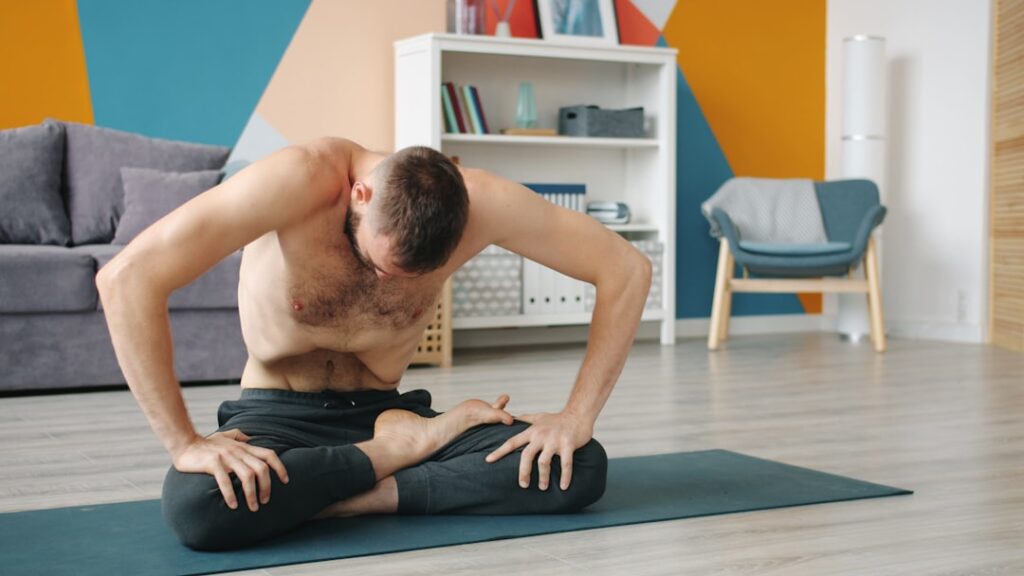
Physical self-care is a fundamental aspect of your overall well-being, serving as the foundation upon which your mental and emotional health can flourish. When you prioritize your physical health, you are not only investing in your body but also enhancing your quality of life. Engaging in regular physical self-care practices can lead to increased energy levels, improved mood, and a greater sense of control over your life. It’s essential to recognize that taking care of your body is not a luxury; it’s a necessity that allows you to function optimally in all areas of your life.
Moreover, physical self-care can significantly impact your resilience against stress and illness. When you engage in activities that promote physical health, such as exercise, proper nutrition, and adequate rest, you build a stronger immune system and reduce the risk of chronic diseases. This proactive approach to health empowers you to face challenges with greater strength and clarity. By understanding the importance of physical self-care, you can cultivate habits that not only enhance your physical health but also contribute to a more balanced and fulfilling life.
Finding the Right Physical Activities for You
Finding the right physical activities that resonate with you is crucial for maintaining a sustainable self-care routine. It’s essential to explore various options and discover what you genuinely enjoy. Whether it’s dancing, hiking, swimming, or practicing yoga, engaging in activities that bring you joy will make it easier to incorporate them into your daily life. Take the time to experiment with different forms of exercise until you find what feels right for you. This exploration can be an exciting journey of self-discovery.
Additionally, consider your current fitness level and any physical limitations you may have. It’s important to choose activities that challenge you without causing injury or discomfort. If you’re unsure where to start, think about joining a class or group that focuses on a particular activity. This not only provides structure but also introduces you to a community of like-minded individuals who can motivate and inspire you. Remember, the goal is to find activities that not only benefit your body but also uplift your spirit.
Incorporating Movement into Your Daily Routine

Incorporating movement into your daily routine doesn’t have to be a daunting task; it can be as simple as making small adjustments to your day-to-day activities. Start by identifying opportunities for movement throughout your day. For instance, consider taking the stairs instead of the elevator or going for a brisk walk during your lunch break. These small changes can accumulate over time, leading to significant improvements in your physical health.
Another effective strategy is to set specific times for physical activity within your schedule. Treat these appointments with the same importance as work meetings or social engagements. By dedicating time for movement, you create a consistent routine that reinforces the habit of physical self-care. Whether it’s a morning jog, an evening yoga session, or a weekend hike, establishing a regular practice will help you stay committed to your physical well-being.
Understanding the Benefits of Regular Exercise

Regular exercise offers a multitude of benefits that extend far beyond physical appearance. Engaging in consistent physical activity can enhance your cardiovascular health, strengthen muscles, and improve flexibility. However, the benefits don’t stop there; exercise also plays a vital role in mental health by releasing endorphins, which are natural mood lifters. You may find that after a workout, you feel more energized and focused, ready to tackle whatever challenges come your way.
Furthermore, regular exercise can improve your sleep quality and boost your self-esteem. When you engage in physical activity, you are not only taking care of your body but also fostering a positive relationship with yourself. As you witness improvements in your strength and endurance, you may feel a sense of accomplishment that translates into other areas of your life. Understanding these benefits can motivate you to prioritize exercise as an essential component of your self-care routine.
Exploring Alternative Forms of Physical Self-Care
| Aspect of Physical Self-Care | Description | Recommended Frequency | Benefits | Example Activities |
|---|---|---|---|---|
| Sleep Hygiene | Practices that promote consistent, restful sleep | 7-9 hours nightly | Improved mood, cognitive function, and immune health | Regular bedtime, limiting screen time before bed |
| Nutrition | Eating balanced meals with essential nutrients | Daily | Enhanced energy, better digestion, and overall health | Consuming fruits, vegetables, whole grains |
| Hydration | Maintaining adequate fluid intake | 8-10 cups daily (varies by individual) | Supports metabolism, skin health, and cognitive function | Drinking water, herbal teas |
| Stretching & Mobility | Activities to improve flexibility and joint health | 3-5 times per week | Reduces injury risk, improves posture and circulation | Yoga, dynamic stretching routines |
| Rest & Recovery | Allowing the body time to heal and rejuvenate | As needed, especially after physical exertion | Prevents burnout, reduces muscle soreness | Taking naps, using foam rollers, massage |
| Personal Hygiene | Maintaining cleanliness and grooming | Daily or as appropriate | Prevents illness, boosts self-esteem | Regular bathing, dental care |
| Outdoor Time | Spending time in natural environments | Several times per week | Improves mood, vitamin D synthesis, reduces stress | Walking in parks, gardening |
While traditional forms of exercise like running or weightlifting are popular choices for physical self-care, there are numerous alternative activities that can be equally beneficial. Exploring these alternatives can add variety to your routine and keep things fresh and exciting. For instance, practices such as tai chi or Pilates focus on mindfulness and body awareness while promoting flexibility and strength. These low-impact options can be particularly appealing if you’re looking for gentler ways to stay active.
Additionally, consider incorporating activities that connect you with nature, such as gardening or outdoor sports like kayaking or rock climbing. These experiences not only provide physical benefits but also allow you to enjoy the mental health advantages of being outdoors. By diversifying your approach to physical self-care, you can discover new passions and maintain motivation in your journey toward better health.
Nurturing Your Body with Proper Nutrition
Nutrition plays a pivotal role in physical self-care, as the food you consume directly impacts your energy levels and overall health. To nurture your body effectively, focus on incorporating whole foods into your diet—fruits, vegetables, whole grains, lean proteins, and healthy fats should form the cornerstone of your meals. By prioritizing nutrient-dense foods, you provide your body with the essential vitamins and minerals it needs to function optimally.
Moreover, it’s important to listen to your body’s hunger cues and practice mindful eating. This means being aware of what you eat and how it makes you feel physically and emotionally. By cultivating a healthy relationship with food, you can avoid restrictive diets that may lead to unhealthy patterns. Instead, aim for balance and moderation in your eating habits, allowing yourself the occasional treat while focusing on nourishing choices most of the time.
Prioritizing Rest and Recovery
Rest and recovery are often overlooked aspects of physical self-care but are just as crucial as exercise and nutrition. Your body needs time to repair itself after physical activity; without adequate rest, you risk injury and burnout. Prioritizing sleep is essential for recovery; aim for 7-9 hours of quality sleep each night to allow your body to rejuvenate fully. Establishing a calming bedtime routine can help signal to your body that it’s time to wind down.
In addition to sleep, consider incorporating rest days into your exercise routine. These days allow your muscles to recover and grow stronger while preventing fatigue. Listen to your body; if you’re feeling particularly sore or fatigued, don’t hesitate to take a break or engage in lighter activities like stretching or gentle yoga. By honoring your need for rest, you’ll enhance your overall performance and maintain a sustainable approach to physical self-care.
Creating a Supportive Environment for Physical Self-Care
Your environment plays a significant role in shaping your physical self-care practices. Creating a supportive space can make it easier for you to prioritize movement and healthy habits. Start by decluttering areas where you exercise or prepare meals; a clean space can foster motivation and clarity. Consider setting up a designated workout area at home or organizing your kitchen with healthy snacks readily available.
Additionally, surround yourself with supportive individuals who encourage your self-care journey. Whether it’s friends who share similar fitness goals or family members who understand the importance of healthy eating, having a support system can make all the difference. Engage in group activities or classes where you can connect with others who inspire you to stay committed to your physical well-being.
Overcoming Barriers to Physical Self-Care
Despite the best intentions, barriers often arise that can hinder your commitment to physical self-care. Common obstacles include time constraints, lack of motivation, or feelings of inadequacy regarding fitness levels. To overcome these challenges, it’s essential to identify what specifically holds you back and develop strategies to address those issues.
For instance, if time is an issue, consider breaking down workouts into shorter sessions throughout the day rather than trying to fit in long workouts all at once. If motivation wanes, remind yourself of the reasons why physical self-care is important to you—whether it’s improving energy levels or enhancing mental clarity. By acknowledging these barriers and actively working to overcome them, you empower yourself to maintain a consistent self-care routine.
Seeking Professional Guidance for Physical Self-Care
Sometimes, seeking professional guidance can provide valuable insights into enhancing your physical self-care practices. Whether it’s consulting with a personal trainer for tailored workout plans or meeting with a registered dietitian for nutritional advice, professionals can offer expertise that helps you achieve your goals more effectively. They can assess your current habits and provide personalized recommendations based on your unique needs.
Additionally, consider exploring wellness coaches or therapists who specialize in holistic approaches to health. They can help address any underlying emotional barriers that may be impacting your ability to prioritize self-care. By investing in professional guidance, you equip yourself with the tools necessary for long-term success in maintaining a healthy lifestyle.
Embracing a Holistic Approach to Physical Self-Care
Embracing a holistic approach to physical self-care means recognizing that all aspects of well-being are interconnected—physical health influences mental health and vice versa. To cultivate this holistic mindset, consider integrating practices that promote balance across various dimensions of wellness: emotional, social, spiritual, and environmental.
For example, engaging in mindfulness practices such as meditation or deep breathing exercises can enhance both mental clarity and emotional resilience while complementing your physical activities. Additionally, nurturing social connections through group workouts or community events fosters a sense of belonging that contributes positively to overall well-being. By viewing physical self-care through this holistic lens, you create a comprehensive approach that supports not just your body but also enriches every facet of your life.
In conclusion, prioritizing physical self-care is essential for achieving overall well-being and living a fulfilling life. By understanding its importance and exploring various activities that resonate with you, incorporating movement into daily routines, nurturing proper nutrition, prioritizing rest and recovery, creating supportive environments, overcoming barriers, seeking professional guidance, and embracing holistic practices, you empower yourself on this journey toward better health. Remember that self-care is not just an act; it’s a lifestyle choice that requires commitment and compassion toward yourself as you navigate the path toward optimal well-being.