
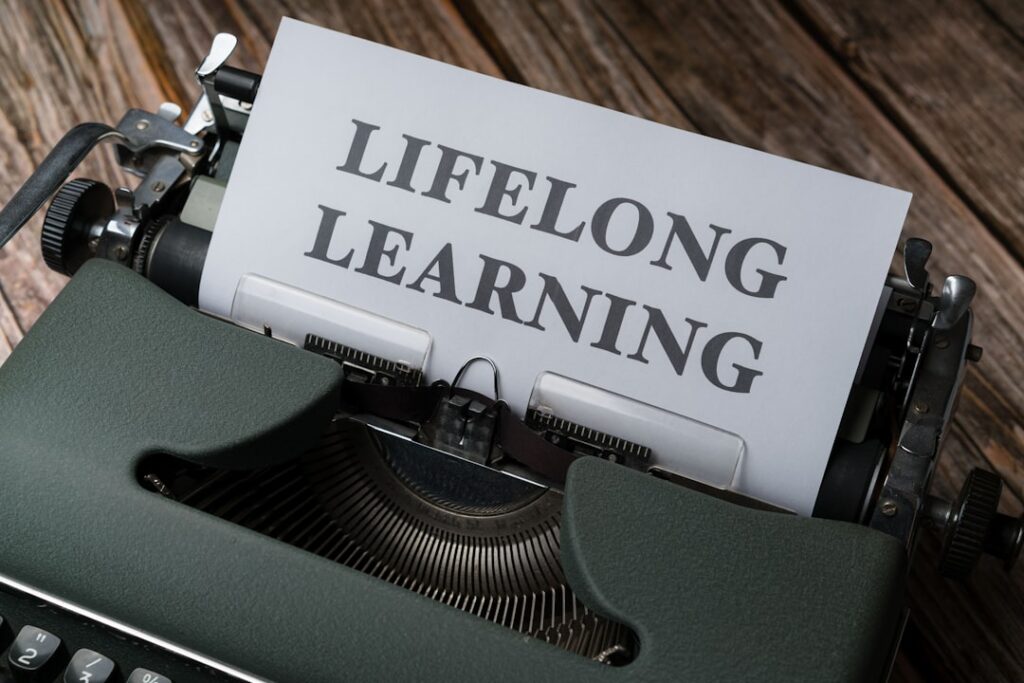
Personal growth is a journey that you embark on to enhance your understanding of yourself and your potential. It involves a conscious effort to develop your skills, improve your mindset, and expand your horizons. Recognizing the importance of personal growth is the first step toward leading a more fulfilling life. You may find that as you invest time and energy into your own development, you begin to experience a greater sense of purpose and direction. This journey is not merely about achieving external success; it’s about nurturing your inner self and fostering a deeper connection with your values and aspirations.
As you delve into personal growth, you will likely discover that it encompasses various aspects of your life, including emotional, intellectual, and social dimensions. Each of these areas contributes to your overall well-being and happiness. By prioritizing personal growth, you are essentially committing to a lifelong journey of self-discovery and improvement. This commitment can lead to enhanced relationships, increased resilience in the face of challenges, and a more profound sense of satisfaction in your daily life.
In exploring the theme of personal growth and the importance of lifelong learning in achieving happiness, a related article can be found at MeTime: Our Services. This resource delves into various services designed to support individuals on their journey of self-improvement and continuous learning, highlighting how these pathways can significantly enhance overall well-being and fulfillment in life.
The Connection Between Lifelong Learning and Happiness
Lifelong learning is intrinsically linked to happiness, as it fosters a sense of curiosity and engagement with the world around you. When you actively seek out new knowledge and experiences, you stimulate your mind and keep it agile. This mental stimulation can lead to increased creativity and problem-solving abilities, which can enhance your overall quality of life. You may find that the more you learn, the more you appreciate the complexities of life, leading to a deeper sense of fulfillment.
Moreover, lifelong learning can help you cultivate meaningful connections with others. Engaging in new activities or pursuing educational opportunities often places you in environments where you can meet like-minded individuals. These connections can enrich your social life and provide a support network that contributes to your happiness. As you share your learning experiences with others, you create bonds that can lead to lasting friendships and a sense of community.
Identifying Personal Growth Pathways

To embark on your personal growth journey, it’s essential to identify the pathways that resonate with you. This process begins with self-reflection, where you take the time to assess your strengths, weaknesses, interests, and values. By understanding what drives you, you can create a roadmap for your growth. Consider what areas of your life you wish to improve or explore further—be it emotional intelligence, professional skills, or creative pursuits.
Once you have identified these areas, set specific goals that align with your aspirations. These goals should be realistic yet challenging enough to push you out of your comfort zone. You might choose to enroll in courses, attend workshops, or engage in self-directed learning through books and online resources. The key is to remain open to new experiences and be willing to adapt your pathways as you grow and evolve.
The Benefits of Lifelong Learning on Mental Health
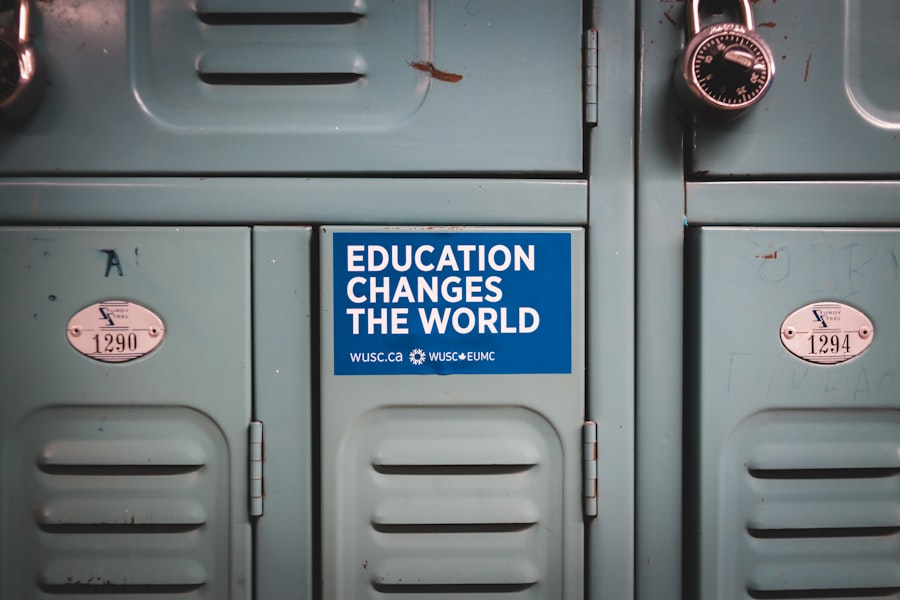
Engaging in lifelong learning has profound benefits for your mental health. When you challenge yourself intellectually, you stimulate the production of neurotransmitters that enhance mood and cognitive function. This mental engagement can help combat feelings of anxiety and depression by providing a sense of accomplishment and purpose. As you learn new skills or acquire knowledge, you may find that your confidence grows, leading to a more positive self-image.
Additionally, lifelong learning can serve as a powerful coping mechanism during difficult times. When faced with stress or adversity, immersing yourself in learning can provide a healthy distraction and a sense of control over your circumstances. You may find solace in exploring new subjects or honing existing skills, which can help alleviate feelings of helplessness. By prioritizing lifelong learning, you are actively investing in your mental well-being.
In exploring the connections between lifelong learning and happiness, one might find it beneficial to consider the impact of mindfulness on personal development. A related article discusses how incorporating mindfulness into daily routines can enhance emotional intelligence and overall well-being. By fostering a greater awareness of our thoughts and feelings, we can create a more fulfilling personal growth journey. For more insights on this topic, you can read about the power of mindfulness in daily life here.
How Lifelong Learning Contributes to Emotional Well-being
| Metrics | Data |
|---|---|
| Percentage of adults engaged in lifelong learning | 65% |
| Number of hours spent on personal development activities | 10 hours per week |
| Impact of lifelong learning on happiness | 87% reported increased happiness |
| Types of lifelong learning activities | Reading, online courses, workshops, mentoring |
Your emotional well-being is significantly influenced by your willingness to engage in lifelong learning. As you expand your knowledge and skills, you develop greater emotional intelligence—the ability to understand and manage your emotions effectively. This heightened awareness allows you to navigate interpersonal relationships with empathy and compassion, fostering deeper connections with others.
Moreover, lifelong learning encourages resilience by teaching you how to adapt to change and overcome obstacles. When you encounter challenges in your learning journey, you develop problem-solving skills that can be applied to various aspects of your life. This adaptability not only enhances your emotional well-being but also empowers you to face life’s uncertainties with confidence and grace.
Overcoming Challenges in Personal Growth
While the journey of personal growth is rewarding, it is not without its challenges. You may encounter obstacles such as self-doubt, fear of failure, or external pressures that hinder your progress. Recognizing these challenges is crucial; it allows you to address them head-on rather than allowing them to derail your efforts. Acknowledging that setbacks are a natural part of the growth process can help you cultivate resilience.
To overcome these challenges, consider developing a support system that encourages accountability and motivation. Surrounding yourself with individuals who share similar goals can provide inspiration and guidance when times get tough. Additionally, practice self-compassion; remind yourself that growth takes time and that it’s okay to stumble along the way. Embracing these challenges as opportunities for learning will ultimately strengthen your resolve and commitment to personal growth.
The Role of Lifelong Learning in Building Resilience
Resilience is an essential quality that enables you to bounce back from adversity and navigate life’s ups and downs with grace. Lifelong learning plays a pivotal role in building this resilience by equipping you with the tools necessary to adapt to change. As you engage in continuous learning, you develop critical thinking skills that allow you to analyze situations from different perspectives and make informed decisions.
Furthermore, lifelong learning fosters a sense of agency in your life. When you take charge of your education and personal development, you cultivate a belief in your ability to effect change. This empowerment is crucial when facing challenges; it instills confidence that you can overcome obstacles through effort and perseverance. By embracing lifelong learning as a core value, you are actively nurturing your resilience for whatever life may throw your way.
Strategies for Incorporating Lifelong Learning into Daily Life
Incorporating lifelong learning into your daily routine doesn’t have to be overwhelming; small changes can lead to significant growth over time. Start by setting aside dedicated time each week for learning activities—whether it’s reading books, taking online courses, or attending workshops. Consistency is key; even short bursts of learning can accumulate into substantial knowledge over time.
Additionally, consider integrating learning into everyday activities. For instance, listen to educational podcasts during your commute or watch documentaries during downtime at home. Engage in discussions with friends or family about topics that interest you; these conversations can spark new ideas and insights. By making learning a natural part of your daily life, you’ll find it easier to stay motivated and committed to your personal growth journey.
The Impact of Lifelong Learning on Self-Confidence
As you engage in lifelong learning, you’ll likely notice a significant boost in your self-confidence. Each new skill acquired or piece of knowledge gained reinforces the belief that you are capable of growth and improvement. This newfound confidence can permeate various aspects of your life—whether it’s taking on new responsibilities at work or pursuing personal interests you’ve always been passionate about.
Moreover, lifelong learning encourages a mindset shift from fear of failure to embracing challenges as opportunities for growth. When you view setbacks as part of the learning process rather than as reflections of your worth, you’re more likely to take risks and step outside your comfort zone. This shift not only enhances your self-confidence but also opens doors to new experiences that contribute further to your personal development.
Cultivating a Growth Mindset through Continuous Learning
A growth mindset is the belief that abilities and intelligence can be developed through dedication and hard work. Cultivating this mindset is essential for personal growth, as it encourages resilience in the face of challenges and fosters a love for learning. Lifelong learning is a powerful tool for nurturing this mindset; as you engage in continuous education, you’re constantly reminded that improvement is possible.
To cultivate a growth mindset through lifelong learning, embrace challenges rather than shy away from them. View failures as valuable lessons rather than setbacks; each experience contributes to your overall development. Surround yourself with individuals who embody a growth mindset; their attitudes will inspire and motivate you on your journey toward personal growth.
Finding Fulfillment and Purpose through Personal Growth
Ultimately, the journey of personal growth leads to a deeper sense of fulfillment and purpose in life. As you invest time in understanding yourself better and expanding your knowledge base, you’ll likely discover passions and interests that resonate with your core values. This alignment between who you are and what you pursue creates a profound sense of satisfaction.
Moreover, personal growth often leads to increased empathy and compassion for others as you gain insights into their experiences through shared learning journeys. This interconnectedness fosters meaningful relationships and contributes to a sense of belonging within communities. By prioritizing personal growth through lifelong learning, you’re not only enhancing your own life but also positively impacting those around you—creating a ripple effect of fulfillment and purpose that extends far beyond yourself.