

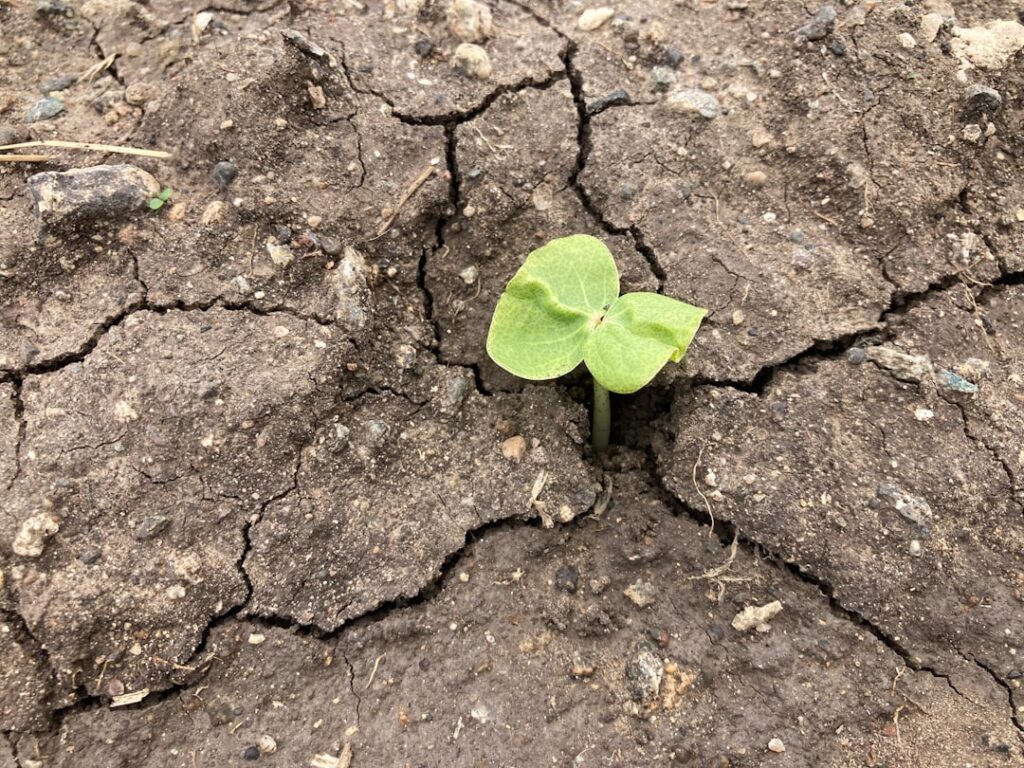
Resilience is a term that often gets thrown around in discussions about mental health and personal development, but what does it truly mean? At its core, resilience is the ability to bounce back from adversity, trauma, or stress. It’s not just about enduring hardships; it’s about thriving despite them. You may find that resilience allows you to navigate life’s challenges with a sense of strength and purpose. It empowers you to face difficulties head-on, adapt to change, and emerge stronger than before. In a world that is constantly evolving and presenting new challenges, understanding resilience becomes crucial for your overall well-being.
The importance of resilience cannot be overstated. Life is filled with ups and downs, and how you respond to these fluctuations can significantly impact your mental and emotional health. When you cultivate resilience, you equip yourself with the tools necessary to handle stress more effectively. This not only enhances your ability to cope with immediate challenges but also fosters long-term emotional stability. By developing resilience, you create a buffer against the inevitable setbacks that life throws your way, allowing you to maintain a sense of balance and perspective even in turbulent times.
In exploring the theme of personal development, a related article titled “The Power of Mindfulness in Everyday Life” delves into techniques that complement the strategies outlined in “Personal Growth Pathways: How to Build Resilience Through Small Daily Wins.” This article emphasizes the importance of being present and aware in daily activities, which can enhance the effectiveness of achieving small wins and building resilience. For further insights, you can read the article [here](https://metime.one/privacy-policy/).
Setting Realistic Goals: The Key to Building Resilience
One of the foundational steps in building resilience is setting realistic goals. When you establish achievable objectives, you create a roadmap that guides your actions and decisions. This process helps you break down larger challenges into manageable tasks, making it easier for you to navigate through difficult situations. By focusing on what is attainable, you reduce the risk of feeling overwhelmed, which can often lead to feelings of helplessness or despair. Instead, you empower yourself to take small, consistent steps toward your desired outcomes.
Moreover, setting realistic goals allows you to celebrate incremental progress. Each small victory reinforces your belief in your capabilities and strengthens your resilience. You may find that as you achieve these goals, your confidence grows, enabling you to tackle even more significant challenges. This cycle of setting goals, achieving them, and building confidence creates a positive feedback loop that enhances your overall resilience. Remember, it’s not about the size of the goal but the commitment to pursuing it that truly matters.
Embracing Failure: How to Learn and Grow from Setbacks

Failure is often viewed as a negative experience, but it can be one of your greatest teachers. Embracing failure means shifting your perspective on setbacks and viewing them as opportunities for growth. When you encounter obstacles or make mistakes, instead of succumbing to self-doubt or frustration, consider what you can learn from the experience. This mindset shift is essential for building resilience because it allows you to extract valuable lessons from difficult situations.
When you learn to embrace failure, you develop a sense of curiosity about your experiences. You begin to ask yourself questions like, “What went wrong?” or “How can I do better next time?” This reflective practice not only helps you understand the factors that contributed to your setbacks but also equips you with strategies for future success. By reframing failure as a stepping stone rather than a stumbling block, you cultivate resilience and foster a growth mindset that propels you forward.
Cultivating a Positive Mindset: The Power of Optimism in Building Resilience

A positive mindset plays a pivotal role in building resilience. When you approach life with optimism, you are more likely to see challenges as temporary obstacles rather than insurmountable barriers. This perspective allows you to maintain hope and motivation even in the face of adversity. Cultivating a positive mindset involves consciously choosing to focus on the good in any situation and recognizing the potential for growth and improvement.
You may find that practicing gratitude is an effective way to nurture a positive mindset. By regularly acknowledging the things you are thankful for, you shift your focus away from negativity and cultivate an appreciation for the present moment. This practice not only enhances your overall outlook on life but also strengthens your resilience by reminding you of the support and resources available to you during tough times. Remember, optimism is not about ignoring reality; it’s about choosing to believe in your ability to overcome challenges.
In exploring the concept of resilience, you may find it beneficial to read about the importance of self-care in enhancing personal growth. An insightful article on this topic can be found at this link, which discusses how prioritizing small daily wins can significantly contribute to building a stronger, more resilient mindset. By integrating these practices into your routine, you can foster a greater sense of well-being and adaptability in the face of challenges.
Developing Healthy Habits: Small Daily Actions for Long-Term Resilience
| Metrics | Data |
|---|---|
| Number of Small Daily Wins | 50 |
| Resilience Level | High |
| Positive Habits Formed | 5 |
| Self-Reflection Sessions | 10 |
Building resilience is not an overnight process; it requires consistent effort and the development of healthy habits. Small daily actions can have a profound impact on your ability to cope with stress and adversity. Whether it’s engaging in regular physical activity, maintaining a balanced diet, or prioritizing sleep, these habits contribute to your overall well-being and enhance your resilience over time.
Incorporating mindfulness practices into your daily routine can also be beneficial. Taking just a few minutes each day to practice deep breathing or meditation can help center your thoughts and reduce anxiety. These moments of self-care allow you to recharge and approach challenges with a clearer mind. By committing to these healthy habits, you create a solid foundation for resilience that will serve you well in both good times and bad.
Seeking Support: Building a Strong Network for Resilience
No one is an island, and seeking support from others is a vital component of building resilience. Surrounding yourself with a strong network of friends, family, or colleagues provides you with emotional support during challenging times. When you share your struggles with others, you not only lighten your emotional load but also gain valuable perspectives that can help you navigate through difficulties.
Building this support network requires intentional effort on your part. You may want to reach out to those who uplift and inspire you or join groups that align with your interests and values. Engaging in open conversations about your experiences fosters deeper connections and creates an environment where vulnerability is welcomed. Remember that seeking support is not a sign of weakness; it’s an acknowledgment of our shared human experience and an essential step toward building resilience.
Practicing Mindfulness: The Role of Self-Awareness in Resilience
Mindfulness is a powerful tool for enhancing self-awareness, which is crucial for building resilience. When you practice mindfulness, you cultivate an awareness of your thoughts, emotions, and physical sensations without judgment. This heightened self-awareness allows you to recognize when stress or negative emotions arise, enabling you to respond more effectively rather than react impulsively.
Incorporating mindfulness into your daily routine can take many forms—whether through meditation, yoga, or simply taking a few moments each day to breathe deeply and reflect. As you become more attuned to your inner experiences, you may find it easier to identify patterns in your behavior and thought processes that contribute to stress or anxiety. This self-awareness empowers you to make conscious choices that align with your values and goals, ultimately enhancing your resilience in the face of challenges.
Embracing Change: Adapting and Thriving in the Face of Challenges
Change is an inevitable part of life, yet many people resist it out of fear or uncertainty. Embracing change is essential for building resilience because it allows you to adapt and thrive in new circumstances. When faced with unexpected shifts—whether in your personal life or professional environment—approaching them with an open mind can lead to new opportunities for growth.
You may find that developing flexibility in your thinking helps ease the transition during times of change. Instead of clinging to what was familiar, try focusing on what new possibilities lie ahead. This mindset shift encourages creativity and innovation as you navigate through uncharted territory. By embracing change rather than resisting it, you cultivate resilience that enables you to face future challenges with confidence.
Finding Purpose: Connecting with Meaning for Resilience
Finding purpose in life is a powerful motivator that can significantly enhance your resilience. When you connect with what truly matters to you—whether it’s through work, relationships, or personal passions—you create a sense of meaning that fuels your determination during tough times. Purpose acts as an anchor that keeps you grounded when faced with adversity.
To discover your purpose, take time for self-reflection and exploration. Consider what brings you joy and fulfillment or what causes resonate deeply with you. Engaging in activities aligned with your values not only strengthens your sense of purpose but also reinforces your resilience by providing direction during challenging moments. Remember that purpose is not static; it can evolve over time as you grow and change.
Celebrating Progress: The Importance of Recognizing Small Wins
In the journey toward building resilience, celebrating progress—no matter how small—is crucial for maintaining motivation and momentum. Acknowledging your achievements reinforces positive behavior and encourages continued effort toward your goals. When you take time to recognize even the tiniest victories, you cultivate a sense of accomplishment that fuels your resilience.
You might consider keeping a journal where you document your successes or milestones along the way. Reflecting on these moments serves as a reminder of how far you’ve come and reinforces the belief that progress is possible even amidst challenges. By celebrating small wins regularly, you create a positive feedback loop that enhances your overall resilience and keeps you focused on the path ahead.
Staying Committed: Maintaining Resilience Through Consistent Effort
Building resilience is not a one-time endeavor; it requires ongoing commitment and consistent effort over time. As life presents new challenges and changes, staying dedicated to your personal growth becomes essential for maintaining resilience. This commitment involves regularly revisiting the strategies you’ve developed—such as setting realistic goals, practicing mindfulness, or seeking support—and adapting them as needed.
You may find that establishing routines helps reinforce this commitment. Whether it’s dedicating time each week for self-care activities or setting aside moments for reflection and goal-setting, these practices create structure in your life that supports resilience-building efforts. Remember that resilience is not about being invulnerable; it’s about being adaptable and willing to put in the work necessary to thrive despite life’s uncertainties.
In conclusion, building resilience is an ongoing journey that requires understanding its importance, setting realistic goals, embracing failure as a learning opportunity, cultivating a positive mindset, developing healthy habits, seeking support from others, practicing mindfulness, embracing change, finding purpose, celebrating progress, and staying committed through consistent effort. By integrating these principles into your life, you’ll equip yourself with the tools needed to navigate challenges with strength and grace while fostering personal growth along the way.