


To truly grasp the concept of a growth mindset, you must first recognize that it is a belief system that emphasizes the potential for development and improvement. This mindset, popularized by psychologist Carol Dweck, posits that your abilities and intelligence can be cultivated through dedication, effort, and learning. When you adopt a growth mindset, you begin to see challenges as opportunities for growth rather than insurmountable obstacles. This shift in perspective can profoundly impact your approach to life, work, and personal relationships.
As you delve deeper into the growth mindset, you may find that it encourages a love for learning and resilience in the face of setbacks. You start to understand that failure is not a reflection of your worth but rather a stepping stone on the path to success. By embracing this mindset, you open yourself up to new experiences and possibilities, allowing you to thrive in various aspects of your life. The journey toward adopting a growth mindset is not always easy, but it is undoubtedly rewarding.
In exploring the theme of personal development, a related article that delves into various strategies for enhancing one’s mindset is available at this link: Personal Growth Pathways: Cultivating a Growth Mindset for Success. This article provides valuable insights on how adopting a growth mindset can significantly impact your journey toward achieving personal and professional goals, offering practical tips and resources to foster resilience and adaptability in the face of challenges.
Recognizing Fixed Mindset Patterns
To foster a growth mindset, it is essential to identify and acknowledge the patterns associated with a fixed mindset. A fixed mindset is characterized by the belief that your abilities are static and unchangeable. You may find yourself thinking that intelligence is innate or that talent alone determines success. Recognizing these limiting beliefs is the first step toward breaking free from them. When you catch yourself thinking in fixed terms, take a moment to reflect on how these thoughts may be holding you back.
You might notice that a fixed mindset leads to avoidance of challenges and a fear of failure. When faced with difficult tasks, you may feel inclined to give up or shy away from trying altogether. This avoidance can stifle your growth and prevent you from reaching your full potential. By becoming aware of these patterns, you can begin to challenge them and replace them with more empowering beliefs that align with a growth mindset.
Embracing Challenges and Setbacks

Embracing challenges is a crucial aspect of cultivating a growth mindset. When you encounter obstacles, instead of viewing them as threats, try to see them as opportunities for learning and development. Each challenge presents a chance to stretch your abilities and expand your knowledge. By actively seeking out challenges, you can push yourself beyond your comfort zone and discover new strengths you never knew you had.
Setbacks are an inevitable part of any journey, but how you respond to them can make all the difference. Rather than allowing setbacks to discourage you, view them as valuable lessons that contribute to your growth. When you experience failure, take the time to analyze what went wrong and how you can improve moving forward. This proactive approach not only builds resilience but also reinforces your belief in your ability to overcome difficulties.
Developing Resilience and Perseverance
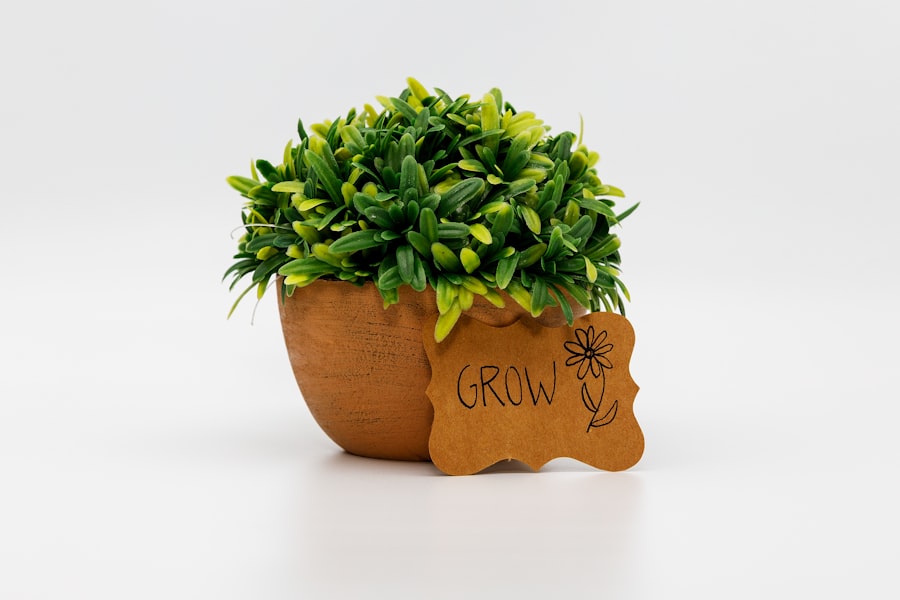
Resilience and perseverance are vital components of a growth mindset. As you navigate life’s ups and downs, developing these qualities will empower you to bounce back from adversity and keep moving forward. Resilience allows you to adapt to challenges and maintain a positive outlook even in tough situations. You can cultivate resilience by practicing self-compassion and reminding yourself that setbacks are a natural part of the learning process.
Perseverance goes hand in hand with resilience; it is the determination to keep going despite obstacles. When faced with difficulties, remind yourself of your long-term goals and the reasons behind your efforts. By maintaining focus on your objectives, you can push through challenges with renewed vigor. Embracing both resilience and perseverance will not only enhance your ability to tackle obstacles but also instill a sense of confidence in your capacity for growth.
In the journey of personal development, understanding the importance of a growth mindset can significantly enhance your chances of success. A related article that delves deeper into this concept is available at MeTime, where you can explore various strategies and insights that can help you cultivate a mindset geared towards continuous improvement and resilience. Embracing these principles not only fosters personal growth but also empowers you to overcome challenges and achieve your goals more effectively.
Cultivating a Positive Attitude
| Metrics | Data |
|---|---|
| Number of participants | 200 |
| Completion rate | 85% |
| Participant satisfaction | 4.5/5 |
| Retention rate | 90% |
A positive attitude is essential for nurturing a growth mindset. Your thoughts and beliefs shape your experiences, so fostering positivity can significantly impact how you approach challenges and setbacks. Start by practicing gratitude; take time each day to reflect on what you appreciate in your life. This simple exercise can shift your focus from negativity to abundance, creating a more optimistic outlook.
Additionally, surround yourself with positivity by engaging with uplifting content and people who inspire you. The energy of those around you can influence your mindset, so seek out relationships that encourage growth and support your aspirations. By cultivating a positive attitude, you create an environment conducive to learning and development, making it easier to embrace challenges and pursue your goals.
Setting Goals and Taking Action
Setting clear goals is a fundamental step in fostering a growth mindset. Goals provide direction and motivation, helping you stay focused on what you want to achieve. When setting goals, ensure they are specific, measurable, achievable, relevant, and time-bound (SMART). This framework will help you create actionable steps that lead to tangible results.
Once you’ve established your goals, it’s crucial to take consistent action toward achieving them. Break down larger goals into smaller tasks that feel manageable, allowing you to make steady progress without feeling overwhelmed. Celebrate each small victory along the way; this will reinforce your commitment to growth and motivate you to keep pushing forward.
Seeking Feedback and Learning from Mistakes
Feedback is an invaluable tool for personal development, yet many people fear it due to the potential for criticism. However, when you adopt a growth mindset, you begin to view feedback as an opportunity for improvement rather than a personal attack. Actively seek feedback from peers, mentors, or supervisors who can provide constructive insights into your performance.
When receiving feedback, approach it with an open mind and a willingness to learn. Instead of becoming defensive or discouraged by criticism, reflect on how you can use it to enhance your skills or knowledge. Additionally, embrace mistakes as part of the learning process; they are often the most powerful teachers. By analyzing what went wrong and identifying areas for improvement, you can turn setbacks into stepping stones toward success.
Embracing Continuous Learning and Improvement
A hallmark of a growth mindset is the commitment to continuous learning and improvement. Recognize that learning does not stop after formal education; it is an ongoing journey that extends throughout your life. Cultivate curiosity by exploring new subjects, acquiring new skills, or engaging in activities outside your comfort zone.
To foster continuous improvement, regularly assess your progress and identify areas where you can grow further. Set aside time for self-reflection to evaluate what you’ve learned from experiences and how you can apply those lessons moving forward. By embracing lifelong learning, you position yourself for ongoing personal and professional development.
Building a Supportive Network
Surrounding yourself with a supportive network is crucial for nurturing a growth mindset. Seek out individuals who inspire you, challenge you to think differently, and encourage your aspirations. These connections can provide valuable insights, motivation, and accountability as you pursue your goals.
In addition to seeking support from others, consider how you can contribute positively to their journeys as well. By fostering an environment of mutual encouragement and collaboration, you create a community where everyone can thrive together. Building strong relationships with like-minded individuals will not only enhance your growth but also enrich your overall experience.
Practicing Self-Reflection and Mindfulness
Self-reflection is an essential practice for developing a growth mindset. Taking time to reflect on your experiences allows you to gain insights into your thoughts, feelings, and behaviors. Consider keeping a journal where you can document your reflections on challenges faced, lessons learned, and areas for improvement.
Mindfulness complements self-reflection by helping you stay present in the moment and aware of your thoughts without judgment. Practicing mindfulness techniques such as meditation or deep breathing can enhance your ability to manage stress and maintain focus on your goals. By incorporating self-reflection and mindfulness into your routine, you’ll cultivate greater self-awareness and clarity in your personal growth journey.
Celebrating Progress and Success
Finally, it’s essential to celebrate your progress and successes along the way. Acknowledging your achievements reinforces the belief that effort leads to growth and improvement. Take time to recognize both small milestones and significant accomplishments; this practice will boost your motivation and confidence.
Celebration doesn’t have to be grand; it can be as simple as treating yourself to something special or sharing your achievements with friends or family. By celebrating progress, you create positive reinforcement for your efforts and cultivate an environment where growth is valued and encouraged.
In conclusion, embracing a growth mindset is a transformative journey that requires dedication and self-awareness. By understanding the principles of growth versus fixed mindsets, recognizing limiting patterns, embracing challenges, developing resilience, cultivating positivity, setting actionable goals, seeking feedback, committing to continuous learning, building supportive networks, practicing self-reflection, and celebrating progress, you empower yourself to reach new heights in all areas of life. The path may be challenging at times, but the rewards of personal growth are immeasurable.