


Walking meditation is a practice that combines the physical act of walking with the mental focus of meditation. Unlike traditional seated meditation, where you may find yourself still and quiet, walking meditation invites you to engage with your surroundings while maintaining a state of mindfulness. As you take each step, you become aware of your body’s movements, the sensations beneath your feet, and the rhythm of your breath. This practice allows you to cultivate a deeper connection with the present moment, transforming an ordinary activity into a profound experience of awareness.
In essence, walking meditation is about being fully present in the act of walking. You may find that it helps to slow down your pace, allowing you to notice the subtleties of each step. The ground beneath your feet, the air brushing against your skin, and the sounds of nature or urban life all become part of your meditative experience. By focusing on these elements, you can shift your attention away from distractions and worries, creating a space for clarity and peace within your mind.
The Benefits of Walking Meditation
Engaging in walking meditation offers a multitude of benefits that extend beyond the practice itself. One of the most significant advantages is the enhancement of mental clarity. As you walk mindfully, you create a mental space that allows for clearer thinking and improved focus. This can be particularly beneficial in today’s fast-paced world, where distractions are abundant and attention spans are often short. By dedicating time to this practice, you can sharpen your cognitive abilities and foster a sense of calm that permeates other areas of your life.
Additionally, walking meditation can serve as a powerful tool for emotional regulation. The act of moving while meditating can help release pent-up emotions and stress. As you walk, you may find that feelings of anxiety or tension begin to dissipate, replaced by a sense of tranquility and balance. This emotional release can lead to improved mood and overall well-being, making walking meditation an effective practice for those seeking to manage their mental health.
How to Practice Walking Meditation
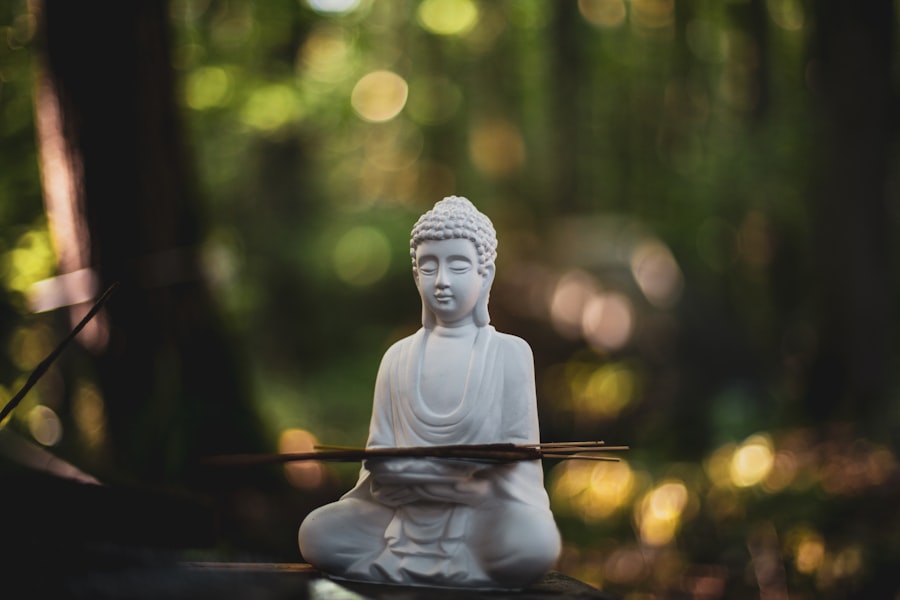
To begin practicing walking meditation, find a quiet space where you can walk without interruptions. This could be a park, a garden, or even a quiet street in your neighborhood. Start by standing still for a moment, taking a few deep breaths to center yourself. As you inhale and exhale, allow your body to relax and your mind to settle. Once you feel ready, begin to walk slowly, paying close attention to each movement.
As you walk, focus on the sensations in your feet as they make contact with the ground. Notice how your weight shifts from one foot to the other and how your legs move in coordination with your breath. You might choose to synchronize your steps with your inhalations and exhalations, creating a rhythm that feels natural to you. If your mind begins to wander, gently bring your attention back to the sensations of walking. This practice is not about achieving perfection; rather, it’s about cultivating awareness and presence in each moment.
Mindful Walking Techniques
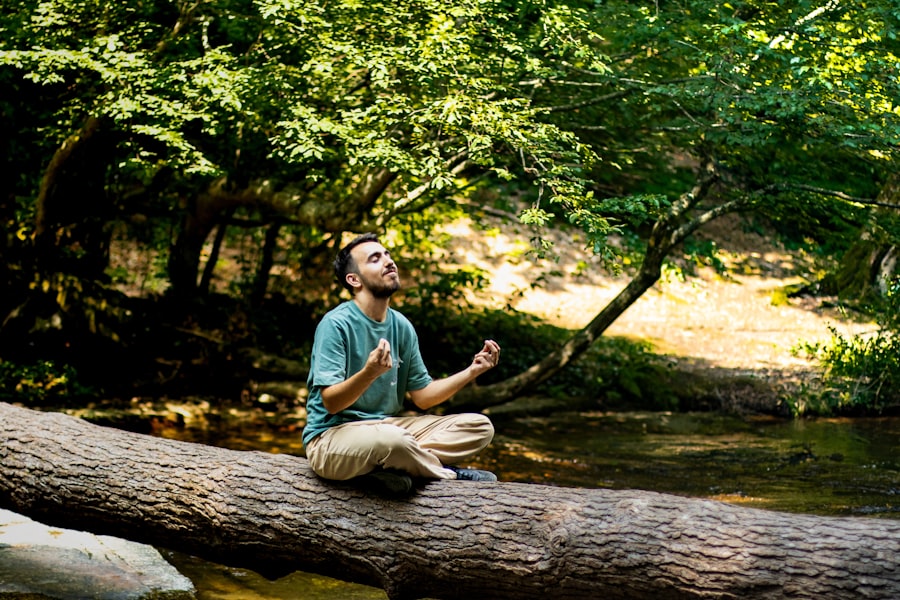
There are several techniques you can incorporate into your walking meditation practice to deepen your experience. One effective method is to focus on your breath as you walk. With each step, inhale deeply through your nose and exhale slowly through your mouth. This rhythmic breathing can help anchor your awareness and enhance your connection to the present moment. You may also choose to count your steps or breaths, allowing this simple act to guide your focus.
Another technique involves engaging your senses fully as you walk. Pay attention to the sights, sounds, and smells around you. Notice the colors of the leaves, the rustling of branches in the wind, or the distant sounds of laughter or traffic. By immersing yourself in these sensory experiences, you can cultivate a richer awareness of your environment and deepen your meditative state.
Cultivating Awareness through Walking Meditation
| Metrics | Data |
|---|---|
| Number of Steps | 5000 |
| Duration | 30 minutes |
| Heart Rate | 70 bpm |
| Mindfulness Level | High |
Cultivating awareness through walking meditation is about more than just being present; it’s about developing a heightened sense of perception regarding yourself and the world around you. As you practice regularly, you may find that your ability to notice subtle changes in your thoughts and feelings improves significantly. This increased awareness can lead to greater self-understanding and insight into your habitual patterns.
Moreover, walking meditation encourages a sense of connection with nature or your surroundings. Whether you’re strolling through a bustling city or wandering along a serene forest path, each environment offers unique experiences that can enhance your mindfulness practice. By observing how different settings affect your mood and thoughts, you can learn more about what brings you peace and joy.
Incorporating Mindfulness into Your Daily Walks
Incorporating mindfulness into your daily walks doesn’t require an extensive time commitment; even short walks can be transformed into opportunities for mindfulness practice. As you step outside for a brief stroll, take a moment to set an intention for your walk. This could be as simple as wanting to feel more grounded or seeking clarity on a particular issue in your life.
During your walk, focus on maintaining an open awareness of both your internal state and external environment. Allow yourself to notice any thoughts or feelings that arise without judgment. Acknowledge them and then gently redirect your attention back to the sensations of walking—the feeling of the ground beneath you, the rhythm of your breath, and the sights around you. By integrating mindfulness into these everyday moments, you can cultivate a more profound sense of presence throughout your day.
The Connection Between Mindfulness and Physical Movement
The connection between mindfulness and physical movement is profound and multifaceted. When you engage in mindful walking, you’re not just moving through space; you’re also fostering a deeper relationship with your body. This connection can lead to improved body awareness and an enhanced understanding of how physical movement affects your mental state.
Moreover, physical movement has been shown to release endorphins—natural mood lifters that can enhance feelings of happiness and well-being. When combined with mindfulness practices like walking meditation, this effect can be amplified. You may find that as you walk mindfully, not only do you feel more connected to yourself but also more energized and uplifted by the experience.
Overcoming Challenges in Walking Meditation
While walking meditation can be a rewarding practice, it’s not without its challenges. One common obstacle is maintaining focus amidst distractions—whether they come from external sources like noise or internal sources like racing thoughts. If you find it difficult to stay present during your walks, consider setting aside specific times for practice when distractions are minimal.
Another challenge may arise from physical discomfort or fatigue during longer walks. It’s essential to listen to your body and honor its limits. If you experience discomfort, try adjusting your pace or taking breaks as needed. Remember that walking meditation is about cultivating awareness rather than pushing through discomfort; finding a balance that works for you is key.
Mindful Walking for Stress Reduction
Mindful walking serves as an effective strategy for stress reduction by providing an outlet for pent-up energy and emotions. As you engage in this practice, you may notice that stressors begin to fade into the background as you immerse yourself in the present moment. The combination of movement and mindfulness creates a powerful antidote to anxiety and tension.
Additionally, walking in nature has been shown to have calming effects on the mind and body. The sights and sounds of natural environments can promote relaxation and reduce feelings of stress. By incorporating mindful walking into your routine—especially in green spaces—you can harness these benefits while nurturing both your physical health and mental well-being.
Integrating Walking Meditation into Your Wellness Routine
Integrating walking meditation into your wellness routine can enhance various aspects of your life—from physical fitness to emotional resilience. Consider setting aside specific times during the week dedicated solely to this practice; whether it’s during lunch breaks or early morning walks before starting your day, consistency is key.
You might also explore combining walking meditation with other wellness practices such as yoga or journaling. For instance, after a mindful walk, take some time to reflect on your experience by journaling about any insights or feelings that arose during the practice. This integration can deepen both your understanding of mindfulness and its impact on your overall well-being.
The Science Behind Walking Meditation
The science behind walking meditation reveals its potential benefits for mental health and cognitive function. Research has shown that mindfulness practices can lead to changes in brain structure and function—enhancing areas associated with attention regulation and emotional processing. These changes can result in improved focus, reduced anxiety levels, and greater emotional stability.
Furthermore, studies indicate that physical activity—such as walking—can boost mood by increasing serotonin levels in the brain. When combined with mindfulness practices like walking meditation, these effects are amplified, leading to enhanced overall well-being. By understanding the science behind this practice, you can appreciate its profound impact on both mind and body while motivating yourself to incorporate it into your daily life.
In conclusion, walking meditation is not just an exercise; it’s an invitation to connect deeply with yourself and the world around you. By understanding its principles and benefits, practicing techniques mindfully, and integrating it into daily life, you can cultivate greater awareness and well-being through this enriching experience.