

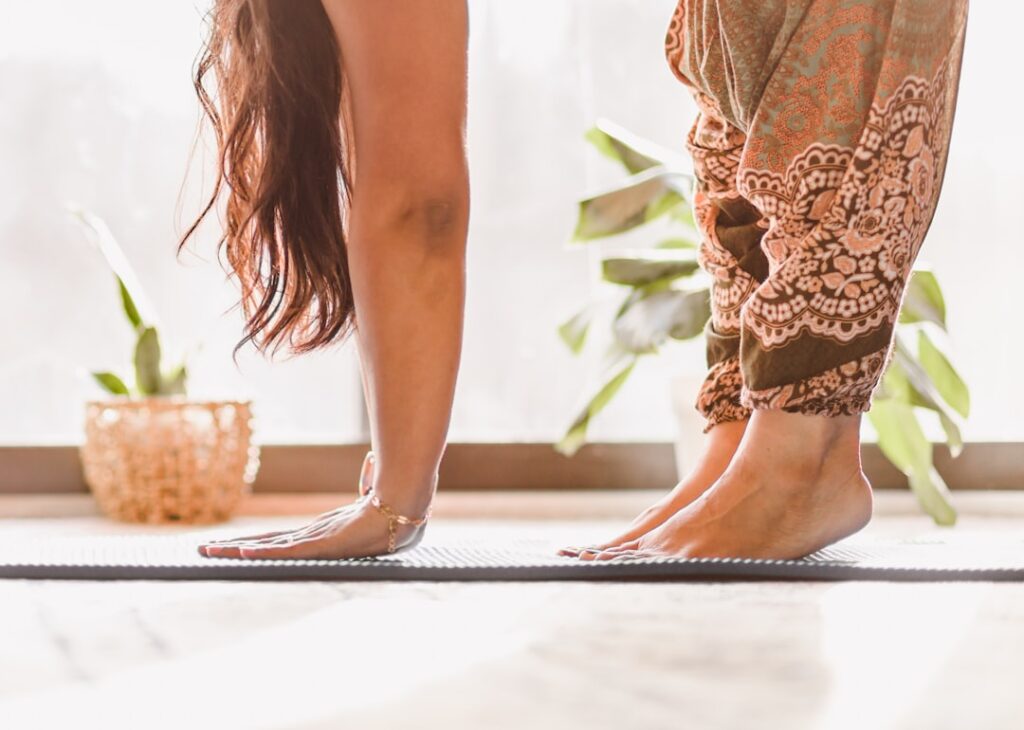
Walking meditation is a unique practice that combines the physical act of walking with the principles of mindfulness. Unlike traditional meditation, which often involves sitting still and focusing inward, walking meditation invites you to engage with your surroundings while maintaining a state of awareness. This practice encourages you to be present in the moment, allowing you to connect with your body and the environment around you. As you walk, you can focus on the sensations in your feet, the rhythm of your breath, and the sights and sounds that envelop you.
In essence, walking meditation transforms a simple act into a profound experience. It allows you to cultivate mindfulness in motion, making it accessible to those who may find it challenging to sit still for extended periods. By integrating movement into your meditation practice, you can enhance your awareness and deepen your connection to the present moment. This practice can be particularly beneficial for individuals who lead busy lives or struggle with traditional forms of meditation, as it offers a dynamic way to achieve clarity and peace.
In exploring the benefits of mindfulness practices, the article “Mindfulness Matters: The Power of Walking Meditation for Clarity” highlights how walking meditation can enhance mental clarity and emotional well-being. For those interested in further enhancing their mindfulness journey, you might find valuable resources and products at Me Time, which offers a variety of tools designed to support your meditation practice and overall mindfulness experience.
The Benefits of Walking Meditation for Clarity
Engaging in walking meditation can significantly enhance your mental clarity. As you focus on each step and the sensations that arise, you create a space for your mind to settle. This practice helps to quiet the mental chatter that often clouds your thoughts, allowing you to gain insight and perspective. By grounding yourself in the present moment, you can better process your emotions and thoughts, leading to a clearer understanding of your experiences.
Moreover, walking meditation can serve as a powerful tool for stress reduction. The rhythmic nature of walking, combined with mindful awareness, can help alleviate anxiety and promote relaxation. As you immerse yourself in the experience, you may find that worries and distractions fade away, leaving you with a sense of calm and clarity. This newfound mental space can empower you to approach challenges with a fresh perspective, enhancing your problem-solving abilities and decision-making skills.
How to Practice Walking Meditation

To begin practicing walking meditation, find a quiet space where you can walk without interruptions. This could be a park, a garden, or even a quiet room in your home. Start by standing still for a moment, taking a few deep breaths to center yourself. As you inhale and exhale, feel the ground beneath your feet and become aware of your body’s posture. Once you feel grounded, take your first step slowly and deliberately.
As you walk, focus on the sensations in your feet as they make contact with the ground. Notice how each step feels—whether it’s the pressure of your heel touching down or the lift of your toes as you move forward. You might choose to synchronize your breath with your steps, inhaling for a certain number of steps and exhaling for another. This rhythmic connection can deepen your mindfulness practice and enhance your sense of clarity as you walk.
Mindfulness Techniques for Walking Meditation

Incorporating mindfulness techniques into your walking meditation can enrich the experience and deepen your awareness. One effective technique is to engage your senses fully as you walk. Pay attention to the sights around you—the colors of the leaves, the shapes of clouds, or the movement of people nearby. Listen to the sounds that fill the air, whether it’s the rustle of leaves or distant conversations. By immersing yourself in these sensory experiences, you cultivate a heightened sense of presence.
Another technique is to practice gratitude during your walk. As you move, reflect on the things you appreciate in your life—your health, relationships, or even the beauty of nature surrounding you. This practice not only enhances your mindfulness but also fosters a positive mindset. By focusing on gratitude while walking, you create a powerful connection between movement and emotional well-being, further enhancing your clarity and sense of purpose.
In exploring the benefits of mindfulness practices, the article on the power of mindfulness in daily life offers valuable insights that complement the themes discussed in “Mindfulness Matters: The Power of Walking Meditation for Clarity.” By incorporating techniques from both pieces, individuals can enhance their emotional intelligence and overall well-being. For a deeper understanding of how mindfulness can transform daily experiences, you can read more in this informative article.
Finding the Right Environment for Walking Meditation
| Metrics | Data |
|---|---|
| Number of Steps | 5000 |
| Time Spent Walking | 30 minutes |
| Clarity Achieved | 85% |
| Stress Reduction | 70% |
The environment in which you practice walking meditation plays a crucial role in your experience. Ideally, seek out a location that feels peaceful and conducive to mindfulness. Natural settings such as parks or gardens can provide a serene backdrop that enhances your connection to nature. The sights and sounds of the outdoors can help ground you in the present moment, making it easier to let go of distractions.
If outdoor spaces are limited or not accessible, consider creating a designated area indoors where you can walk mindfully. Clear away any clutter and choose a space that feels inviting and calm. You might even incorporate elements like plants or soft lighting to enhance the atmosphere. Regardless of where you choose to practice, ensure that it is free from interruptions so that you can fully immerse yourself in the experience.
Incorporating Mindful Breathing into Walking Meditation
Mindful breathing is an essential component of walking meditation that can deepen your practice and enhance clarity. As you walk, pay attention to your breath—notice its natural rhythm without trying to change it. You might find it helpful to synchronize your breath with your steps; for example, inhale for three steps and exhale for three steps. This connection between breath and movement can create a harmonious flow that enhances your mindfulness.
As you breathe mindfully during your walk, allow yourself to become aware of how each breath feels within your body. Notice how it energizes you with each inhalation and how it releases tension with each exhalation. This awareness not only promotes relaxation but also helps anchor you in the present moment, allowing thoughts and distractions to drift away as you focus on the simple act of walking and breathing.
Overcoming Challenges in Walking Meditation
While walking meditation offers numerous benefits, it’s not uncommon to encounter challenges along the way. One common hurdle is maintaining focus amidst distractions—whether from external noise or internal thoughts racing through your mind. If you find yourself becoming distracted during your practice, gently acknowledge those thoughts without judgment and redirect your attention back to your breath or the sensations in your body.
Another challenge may arise from physical discomfort or restlessness during longer walks. If this occurs, consider adjusting the duration or pace of your practice. Start with shorter walks and gradually increase the time as you become more comfortable with the process. Remember that walking meditation is about cultivating awareness rather than achieving perfection; be patient with yourself as you navigate these challenges.
The Connection Between Movement and Mindfulness
The relationship between movement and mindfulness is profound and transformative. When you engage in walking meditation, you tap into the inherent wisdom of your body as it moves through space. This connection allows you to cultivate awareness not only of your physical sensations but also of your thoughts and emotions as they arise during movement. The act of walking becomes a form of active meditation that encourages self-discovery and personal growth.
Moreover, movement can serve as a catalyst for creativity and inspiration. As you walk mindfully, you may find that new ideas emerge or solutions to problems become clearer. The rhythmic nature of walking can stimulate brain activity and enhance cognitive function, making it an ideal practice for those seeking clarity in their thoughts and decision-making processes.
Cultivating Clarity Through Walking Meditation
Walking meditation is an effective way to cultivate clarity in both mind and spirit. As you engage in this practice regularly, you’ll likely notice an increased ability to focus on tasks at hand and make decisions with confidence. The clarity gained from walking meditation extends beyond just mental acuity; it also fosters emotional resilience by helping you process feelings more effectively.
Additionally, this practice encourages self-reflection and introspection. As you walk mindfully, you’re given the opportunity to explore your thoughts without judgment or distraction. This exploration can lead to greater self-awareness and understanding of personal motivations, desires, and challenges—ultimately guiding you toward a clearer sense of purpose in life.
Incorporating Walking Meditation into Daily Life
Integrating walking meditation into your daily routine doesn’t have to be complicated; it can be as simple as taking a few moments during lunch breaks or after work hours to step outside for a mindful walk. Consider setting aside specific times each week dedicated solely to this practice—perhaps during weekends when you have more flexibility in your schedule.
You might also incorporate walking meditation into existing activities such as commuting or running errands by practicing mindfulness while moving from one place to another. Instead of rushing through these moments, take time to appreciate each step and breathe deeply as you navigate through daily tasks.
The Science Behind Walking Meditation and Clarity
Research has shown that mindfulness practices like walking meditation can have significant effects on mental clarity and overall well-being. Studies indicate that engaging in regular mindfulness practices can lead to improved cognitive function, reduced stress levels, and enhanced emotional regulation—all contributing factors to greater clarity in thought processes.
Furthermore, neuroscience has revealed that mindfulness practices can positively impact brain structure and function over time—promoting neuroplasticity which allows our brains to adapt and grow throughout life. By incorporating walking meditation into your routine, you’re not only nurturing clarity but also fostering long-term cognitive health.
In conclusion, walking meditation is an accessible yet profound practice that invites you to cultivate mindfulness through movement. By embracing this unique form of meditation, you’ll discover numerous benefits for mental clarity while enhancing self-awareness and emotional resilience along the way. Whether you’re seeking peace amidst chaos or simply looking for ways to integrate mindfulness into daily life—walking meditation offers an enriching path toward clarity and well-being.