

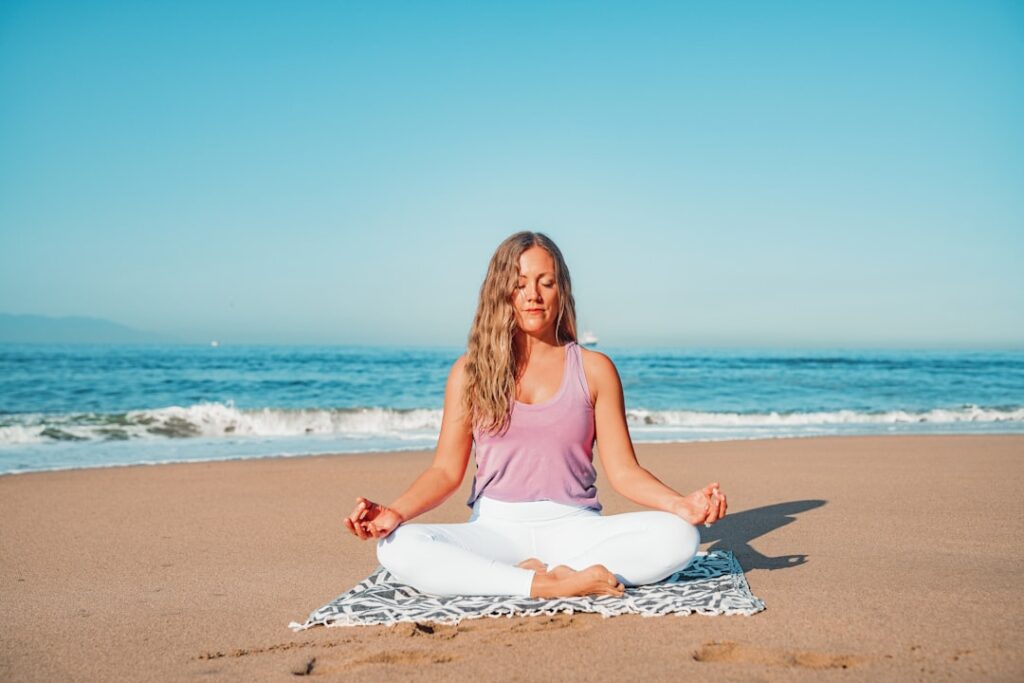
In today’s fast-paced world, stress has become an almost ubiquitous part of life. You may find yourself juggling multiple responsibilities, from work deadlines to personal commitments, leaving little room for self-care. This is where mindfulness comes into play. By cultivating a mindful approach, you can develop a greater awareness of your thoughts and feelings, allowing you to respond to stressors with clarity rather than reactivity. Mindfulness encourages you to be present in the moment, which can significantly reduce feelings of anxiety and overwhelm.
Practicing mindfulness can help you create a buffer against the chaos of daily life. When you engage in mindfulness, you learn to observe your thoughts without judgment, which can lead to a more balanced perspective on stressors. Instead of getting caught up in a cycle of worry or frustration, you can acknowledge these feelings and let them pass. This shift in perspective not only helps you manage stress more effectively but also enhances your overall well-being. By prioritizing mindfulness, you empower yourself to navigate life’s challenges with greater ease and resilience.
In addition to exploring the benefits of mindfulness through simple breathing techniques for high-stress moments, readers may find value in the article “Mindfulness in Daily Life,” which delves into practical ways to incorporate mindfulness practices into everyday routines. This complementary resource offers insights that can enhance the effectiveness of the techniques discussed in “Mindfulness Matters.” For more information, you can visit the article here: Mindfulness in Daily Life.
Understanding the Role of Breathing Techniques in Mindfulness
Breathing techniques are a cornerstone of mindfulness practice, serving as a bridge between your mind and body. When you focus on your breath, you anchor yourself in the present moment, which is essential for cultivating mindfulness. You may not realize it, but your breath is a powerful tool that can influence your emotional state and physiological responses. By learning to control your breathing, you can create a sense of calm and clarity that helps you manage stress more effectively.
Incorporating breathing techniques into your mindfulness practice allows you to tap into the body’s natural relaxation response. When you consciously slow down your breath, you signal to your nervous system that it’s time to relax. This can be particularly beneficial during stressful situations when your body may be in a heightened state of alertness. By focusing on your breath, you can ground yourself and regain a sense of control over your emotions and reactions.
The Science Behind How Breathing Affects Stress Levels
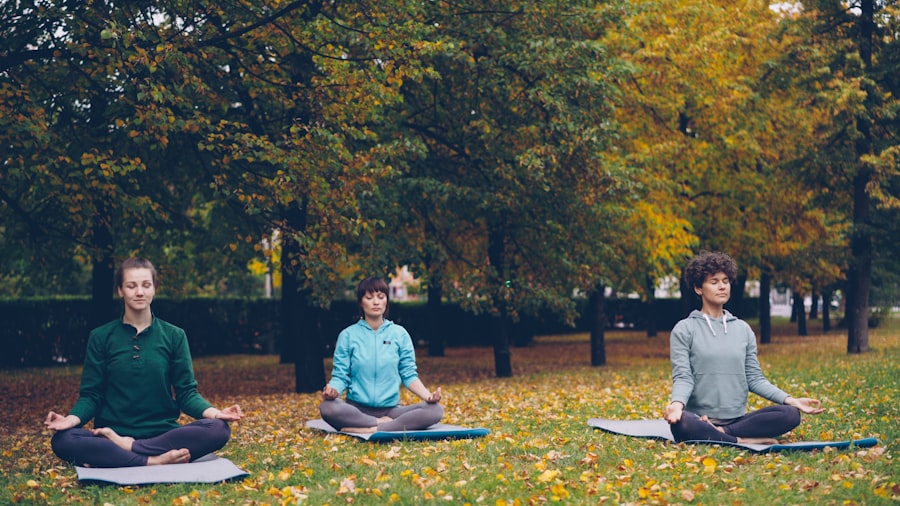
The relationship between breathing and stress is well-documented in scientific literature. When you experience stress, your body enters a state known as the “fight or flight” response, which is characterized by rapid breathing and increased heart rate. This physiological reaction prepares you to respond to perceived threats but can also lead to feelings of anxiety and tension if it persists. Understanding this connection can empower you to use breathing techniques as a means of counteracting stress.
Research has shown that deep, slow breathing activates the parasympathetic nervous system, which promotes relaxation and reduces stress levels. When you engage in mindful breathing, you stimulate the vagus nerve, which plays a crucial role in regulating heart rate and promoting a sense of calm. This physiological response not only helps lower cortisol levels—often referred to as the “stress hormone”—but also enhances overall emotional well-being. By harnessing the power of your breath, you can effectively manage stress and cultivate a more balanced emotional state.
Simple Breathing Techniques for Immediate Stress Relief
When stress strikes, having a few simple breathing techniques at your disposal can make all the difference. One effective method is the 4-7-8 technique, which involves inhaling for four counts, holding the breath for seven counts, and exhaling for eight counts. This practice not only helps slow down your breathing but also encourages relaxation by extending the exhalation phase. You may find that just a few cycles of this technique can significantly reduce feelings of anxiety and tension.
Another straightforward technique is diaphragmatic breathing, also known as belly breathing. To practice this method, find a comfortable position—either sitting or lying down—and place one hand on your chest and the other on your abdomen. As you inhale deeply through your nose, focus on expanding your diaphragm rather than your chest. This type of breathing promotes deeper oxygen exchange and activates the body’s relaxation response. By incorporating these simple techniques into your routine, you can quickly alleviate stress and restore a sense of calm.
In exploring the benefits of mindfulness, you may find the article on effective stress management techniques particularly insightful. It offers a range of strategies that complement the simple breathing techniques discussed in “Mindfulness Matters: Simple Breathing Techniques for High-Stress Moments.” For a deeper understanding of how to enhance your mindfulness practice, check out this related article here.
How to Practice Mindful Breathing in High-Stress Moments
| Technique | Description |
|---|---|
| Box Breathing | A simple technique that involves inhaling for a count of four, holding for a count of four, exhaling for a count of four, and holding for a count of four, all in a box pattern. |
| 4-7-8 Breathing | This technique involves inhaling for a count of four, holding for a count of seven, and exhaling for a count of eight, helping to calm the nervous system. |
| Nostril Breathing | An alternate nostril breathing technique that involves closing one nostril and inhaling, then closing the other nostril and exhaling, helping to balance the body and mind. |
In high-stress moments, it can be challenging to remember to breathe mindfully. However, with practice, you can train yourself to turn to mindful breathing as a first response to stress. Start by taking a moment to pause and acknowledge what you’re feeling. Once you’ve identified the source of your stress, shift your focus to your breath. Close your eyes if possible and take a few deep breaths, allowing yourself to fully experience each inhalation and exhalation.
As you breathe mindfully, visualize each breath bringing in calmness and clarity while exhaling tension and anxiety. You might find it helpful to count your breaths or repeat a calming phrase with each inhalation and exhalation. This practice not only helps ground you in the present moment but also creates a mental space where you can process your emotions more effectively. Over time, this approach will become second nature, allowing you to navigate stressful situations with greater ease.
Incorporating Breathing Techniques into Daily Routine for Long-Term Stress Management
To reap the full benefits of mindful breathing, it’s essential to incorporate these techniques into your daily routine. Consider setting aside dedicated time each day for mindful breathing practice—whether it’s in the morning to start your day with intention or in the evening to unwind before bed. Even just five minutes of focused breathing can have a profound impact on your overall stress levels.
Additionally, look for opportunities throughout your day to practice mindful breathing in real-time situations. For instance, take a few deep breaths before entering a meeting or during a break at work. You might also find it helpful to set reminders on your phone or use visual cues in your environment—like sticky notes—to prompt you to pause and breathe mindfully throughout the day. By making mindful breathing a regular part of your life, you’ll build resilience against stress and enhance your overall well-being.
Tips for Finding the Right Breathing Technique for Your Personal Stress Response
Everyone experiences stress differently, so it’s important to find the breathing techniques that resonate with you personally. Start by experimenting with various methods—such as box breathing, alternate nostril breathing, or simply focusing on natural breath awareness—to see what feels most effective for you. Pay attention to how each technique impacts your emotional state and physical sensations.
You may also want to consider keeping a journal to track your experiences with different techniques. Note how each method affects your stress levels and overall mood throughout the day. This reflective practice will help you identify patterns and preferences that can guide you toward the most effective strategies for managing stress in your life.
The Benefits of Mindful Breathing Beyond Stress Relief
While mindful breathing is an excellent tool for managing stress, its benefits extend far beyond that single aspect of well-being. Engaging in regular mindful breathing practices can enhance your overall mental clarity and focus. As you learn to quiet the mind through breath awareness, you’ll find it easier to concentrate on tasks at hand and make decisions with greater confidence.
Moreover, mindful breathing fosters emotional regulation by helping you develop greater awareness of your feelings and reactions. As you become more attuned to your emotional landscape through breathwork, you’ll be better equipped to respond thoughtfully rather than react impulsively in challenging situations. This increased emotional intelligence not only improves personal relationships but also contributes to a more fulfilling life overall.
Mindfulness and Breathing Techniques for Improved Mental Clarity and Focus
Incorporating mindfulness and breathing techniques into your daily routine can significantly enhance mental clarity and focus. When you’re feeling overwhelmed or distracted, taking a few moments to engage in mindful breathing can help clear mental fog and sharpen concentration. By redirecting your attention to your breath, you create space for clarity amidst chaos.
Additionally, practicing mindful breathing regularly trains your brain to remain present and focused over time. As you cultivate this skill, you’ll find it easier to maintain concentration during tasks that require sustained attention—whether it’s studying for an exam or working on an important project at work. The synergy between mindfulness and focused breathing creates an environment conducive to productivity and creativity.
How Mindful Breathing Can Improve Emotional Regulation and Resilience
Mindful breathing plays a crucial role in enhancing emotional regulation and resilience in the face of life’s challenges. When you’re able to pause and breathe mindfully during moments of heightened emotion—such as anger or sadness—you create an opportunity for reflection rather than reaction. This practice allows you to process emotions more effectively and respond with intention rather than impulse.
Over time, developing this skill fosters resilience by equipping you with tools to navigate adversity with grace. As you learn to manage difficult emotions through mindful breathing, you’ll find that you’re better able to cope with stressors as they arise. This newfound resilience not only enhances your emotional well-being but also empowers you to face challenges with confidence.
The Power of Mindfulness and Breathing Techniques in Creating a Calmer, More Balanced Life
Ultimately, integrating mindfulness and breathing techniques into your life has the potential to create profound shifts in how you experience stress and navigate daily challenges. By prioritizing these practices, you’re investing in a calmer, more balanced existence where you’re better equipped to handle whatever life throws your way. The journey toward mindfulness is ongoing; however, each step taken brings you closer to a state of inner peace.
As you continue exploring these techniques, remember that consistency is key. The more regularly you engage in mindful breathing practices, the more natural they will become in times of stress or uncertainty. Embrace this journey with an open heart and mind; over time, you’ll discover that mindfulness not only transforms how you manage stress but also enriches every aspect of your life.