

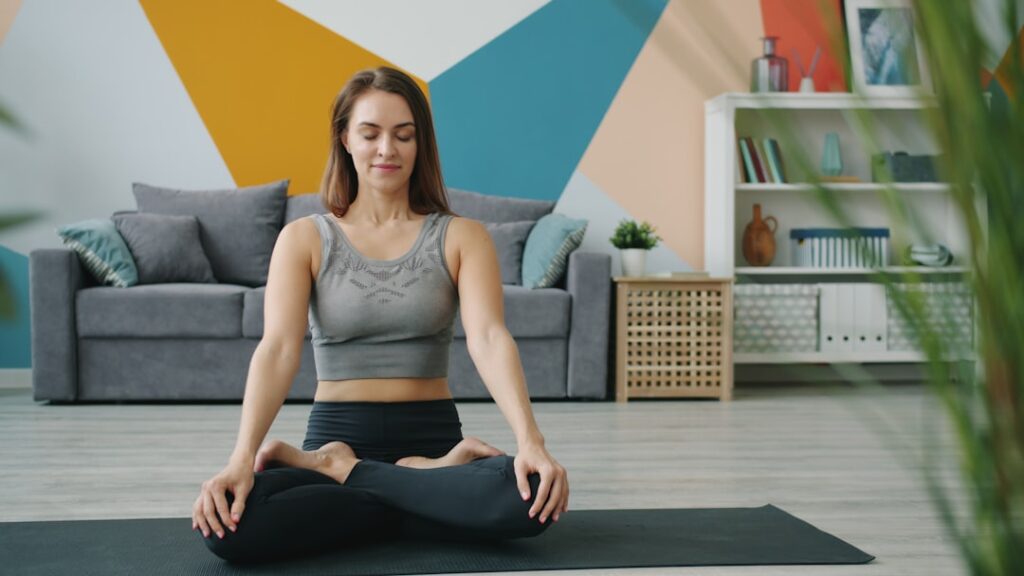
Mindfulness is a practice that encourages you to focus on the present moment, cultivating an awareness of your thoughts, feelings, and surroundings without judgment. It’s about being fully engaged in the here and now, rather than getting lost in the past or worrying about the future. This state of awareness can help you develop a deeper understanding of your emotions and reactions, allowing you to respond to situations with greater clarity and calmness. By practicing mindfulness, you can create a mental space that fosters resilience and emotional well-being.
The importance of mindfulness cannot be overstated, especially in today’s fast-paced world. As you navigate through daily challenges, the ability to remain present can significantly enhance your quality of life. Mindfulness helps you manage stress, improve focus, and cultivate a sense of inner peace. It serves as a powerful tool for self-regulation, enabling you to respond thoughtfully rather than react impulsively. By integrating mindfulness into your life, you can foster a more balanced perspective, leading to improved mental and physical health.
The Impact of High-Stress Days on Mental and Physical Health
High-stress days can take a toll on both your mental and physical health. When you experience stress, your body enters a state of heightened alertness, releasing hormones like cortisol and adrenaline. While this response can be beneficial in short bursts, chronic stress can lead to a myriad of health issues. You may find yourself feeling overwhelmed, anxious, or even depressed as the weight of stress accumulates over time. This emotional strain can manifest physically, resulting in headaches, fatigue, and digestive problems.
Moreover, prolonged exposure to stress can weaken your immune system, making you more susceptible to illness. You might notice that you catch colds more frequently or struggle with chronic conditions exacerbated by stress. The connection between mind and body is profound; when your mental state is compromised, your physical health often follows suit. Recognizing the impact of high-stress days is crucial for taking proactive steps toward managing stress effectively and maintaining overall well-being.
The Power of Breathing Techniques in Managing Stress
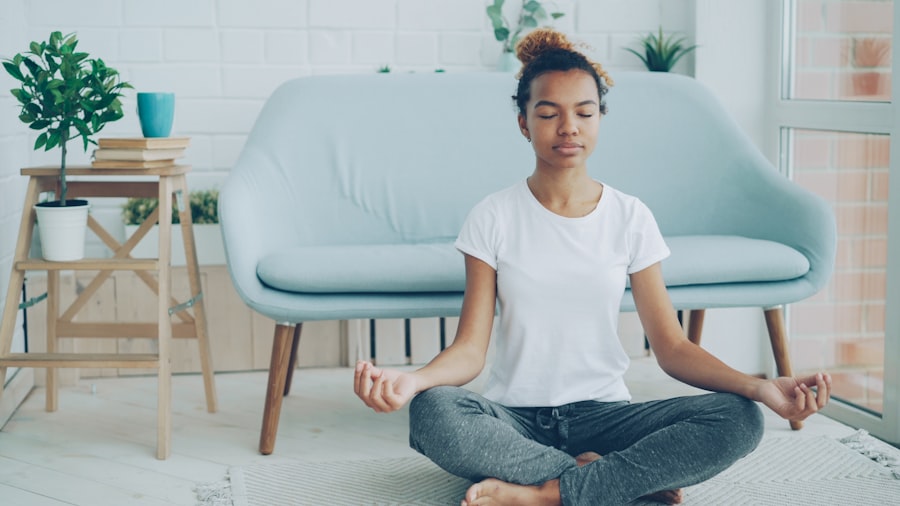
Breathing techniques are powerful tools for managing stress and promoting relaxation. When you consciously focus on your breath, you activate the body’s relaxation response, which counteracts the effects of stress. This simple yet effective practice can help you regain control during overwhelming moments, allowing you to ground yourself and find clarity amidst chaos. By incorporating breathing techniques into your daily routine, you can cultivate a sense of calm that permeates all aspects of your life.
One of the most significant benefits of breathing techniques is their accessibility. You don’t need any special equipment or extensive training to practice mindful breathing; it can be done anywhere and at any time. Whether you’re at work, home, or on the go, taking a few moments to focus on your breath can provide immediate relief from stress. As you become more attuned to your breathing patterns, you’ll likely find that these techniques not only help you manage stress but also enhance your overall sense of well-being.
The Science Behind Mindful Breathing

The science behind mindful breathing reveals how this practice influences both your brain and body. Research has shown that deep, intentional breathing activates the parasympathetic nervous system, which is responsible for promoting relaxation and reducing stress. When you engage in mindful breathing, your heart rate slows down, blood pressure decreases, and muscle tension is released. This physiological response creates a sense of calm that can help you navigate stressful situations with greater ease.
Additionally, studies have demonstrated that mindful breathing can lead to changes in brain structure and function. Regular practice has been linked to increased gray matter density in areas associated with emotional regulation and self-awareness. This means that as you cultivate mindfulness through breathing techniques, you’re not only improving your immediate response to stress but also enhancing your long-term emotional resilience. Understanding the science behind mindful breathing underscores its importance as a practical tool for managing stress effectively.
Simple Breathing Techniques for High-Stress Days
| Technique | Description | Duration | Benefits | Recommended Frequency |
|---|---|---|---|---|
| Box Breathing | Inhale for 4 seconds, hold for 4 seconds, exhale for 4 seconds, hold for 4 seconds | 4 minutes | Reduces anxiety, improves focus, calms nervous system | 3-4 times daily during high stress |
| 4-7-8 Breathing | Inhale for 4 seconds, hold for 7 seconds, exhale for 8 seconds | 5 minutes | Promotes relaxation, lowers heart rate, aids sleep | Twice daily or as needed |
| Alternate Nostril Breathing | Close one nostril and inhale, switch nostrils to exhale, repeat | 5-10 minutes | Balances nervous system, enhances mental clarity | Once daily |
| Deep Diaphragmatic Breathing | Slow deep breaths engaging the diaphragm | 5 minutes | Reduces cortisol levels, improves oxygen flow | Multiple times daily |
| Mindful Breathing | Focused attention on breath without altering it | 10 minutes | Increases mindfulness, reduces stress perception | Daily practice recommended |
When faced with high-stress days, having a repertoire of simple breathing techniques at your disposal can be invaluable. One effective method is diaphragmatic breathing, which involves engaging your diaphragm to take deep breaths that fill your lungs completely. This technique encourages relaxation by increasing oxygen flow to your body while simultaneously calming your mind. You might find it helpful to practice this technique in a quiet space where you can focus solely on your breath.
Another straightforward technique is the “counted breath,” where you inhale for a specific count (such as four), hold for another count (like four), and then exhale for the same count. This rhythmic pattern helps regulate your breath and creates a sense of stability during stressful moments. By incorporating these simple techniques into your daily routine, you’ll be better equipped to handle high-stress situations with composure and clarity.
Belly Breathing: A Step-by-Step Guide
Belly breathing, also known as diaphragmatic breathing, is an effective technique for reducing stress and promoting relaxation. To practice belly breathing, start by finding a comfortable position—either sitting or lying down. Place one hand on your chest and the other on your abdomen. As you inhale deeply through your nose, focus on expanding your belly rather than your chest. You should feel your abdomen rise as it fills with air while keeping your chest relatively still.
Once you’ve inhaled fully, pause for a moment before exhaling slowly through your mouth or nose. As you exhale, consciously relax your abdomen and feel it fall back down. Repeat this process for several minutes, allowing yourself to become fully immersed in the rhythm of your breath. With practice, belly breathing can become a natural response during stressful moments, helping you regain control and find tranquility amidst chaos.
4-7-8 Breathing: How to Practice This Calming Technique
The 4-7-8 breathing technique is a simple yet powerful method designed to promote relaxation and reduce anxiety. To begin practicing this technique, find a comfortable seated position and close your eyes if it feels comfortable for you. Start by inhaling quietly through your nose for a count of four. Hold your breath for a count of seven, allowing yourself to feel the stillness during this pause. Finally, exhale completely through your mouth for a count of eight, making a whooshing sound as you release the air.
Repeat this cycle for four full breaths initially, gradually increasing the number as you become more comfortable with the technique. The 4-7-8 method works by slowing down your breath and encouraging mindfulness, which helps calm the nervous system and reduce feelings of anxiety. By incorporating this technique into your daily routine or using it during particularly stressful moments, you can cultivate a greater sense of peace and relaxation.
Box Breathing: A Quick and Effective Stress-Relief Method
Box breathing is another effective technique that can help you manage stress quickly and efficiently. This method involves inhaling, holding the breath, exhaling, and holding again—each for an equal count—creating a “box” pattern with your breath. To practice box breathing, start by finding a comfortable position where you can focus without distractions.
Begin by inhaling deeply through your nose for a count of four. Hold that breath for another count of four before exhaling slowly through your mouth for four counts. Finally, hold your breath again for four counts before repeating the cycle. This structured approach not only helps regulate your breath but also provides a sense of control during stressful situations. With regular practice, box breathing can become an invaluable tool in your stress management toolkit.
Mindful Walking: Combining Breathing and Movement for Stress Reduction
Mindful walking is an excellent way to combine movement with mindful breathing for enhanced stress reduction. This practice encourages you to focus on each step while synchronizing it with your breath. To begin mindful walking, find a quiet space where you can walk without distractions—this could be indoors or outdoors.
As you walk slowly, pay attention to the sensation of each foot touching the ground and the rhythm of your breath. You might choose to inhale for three steps and exhale for three steps or find a pattern that feels comfortable for you. This combination of movement and breath helps ground you in the present moment while promoting relaxation and reducing anxiety. Mindful walking not only provides physical benefits but also enhances mental clarity and emotional well-being.
Incorporating Mindful Breathing into Your Daily Routine
Incorporating mindful breathing into your daily routine doesn’t have to be complicated; small adjustments can make a significant difference in how you manage stress throughout the day. Consider setting aside just five minutes each morning to practice deep breathing before starting your day’s activities. This intentional time allows you to center yourself and set a positive tone for what lies ahead.
You might also find it helpful to integrate mindful breathing into existing routines—such as during breaks at work or while commuting—transforming ordinary moments into opportunities for mindfulness practice. By consistently prioritizing mindful breathing throughout your day, you’ll cultivate resilience against stressors while enhancing overall well-being.
The Benefits of Regular Practice: How Mindfulness Can Transform High-Stress Days
The benefits of regular mindfulness practice extend far beyond immediate stress relief; they can fundamentally transform how you approach high-stress days altogether. As you develop a consistent practice of mindful breathing and other techniques, you’ll likely notice increased emotional resilience and improved coping strategies when faced with challenges. Over time, these practices can lead to lasting changes in how you perceive stressors in your life.
Moreover, regular mindfulness practice fosters greater self-awareness and emotional regulation skills that empower you to respond thoughtfully rather than react impulsively during stressful situations. As you cultivate this awareness within yourself through consistent practice, you’ll find that high-stress days become more manageable—and even opportunities for growth rather than sources of overwhelm. Embracing mindfulness as part of your daily routine can ultimately lead to profound transformations in both mental clarity and emotional well-being.