

Workplace stress is a common experience that many individuals face in their professional lives. You may find yourself overwhelmed by deadlines, demanding workloads, or challenging relationships with colleagues. This stress can manifest in various ways, including anxiety, fatigue, and even physical symptoms like headaches or digestive issues. Recognizing the signs of workplace stress is the first step toward managing it effectively. You might notice that your productivity declines, or you feel irritable and disengaged. Understanding these feelings is crucial for taking proactive steps to mitigate stress.
Moreover, the sources of workplace stress can be multifaceted. It could stem from external pressures such as economic downturns or internal factors like a lack of support from management. You may also experience stress due to unclear job expectations or a toxic work environment. Identifying the root causes of your stress can empower you to address them directly. By acknowledging these factors, you can begin to develop strategies that not only alleviate your current stress but also prevent future occurrences.
The Benefits of Mindfulness
Mindfulness is a powerful tool that can help you navigate the complexities of workplace stress. By practicing mindfulness, you cultivate a heightened awareness of your thoughts and feelings in the present moment. This practice allows you to step back from overwhelming emotions and gain perspective on your situation. You may find that mindfulness helps you respond to stressors more calmly and thoughtfully, rather than reacting impulsively. As a result, you can improve your emotional resilience and overall well-being.
In addition to emotional benefits, mindfulness has been shown to enhance cognitive function. When you practice mindfulness regularly, you may notice improvements in your focus and concentration. This heightened awareness can lead to better decision-making and problem-solving skills, which are invaluable in a fast-paced work environment. Furthermore, incorporating mindfulness into your daily routine can foster a greater sense of connection with your colleagues, promoting a more positive workplace culture.
Introduction to Breathing Exercises
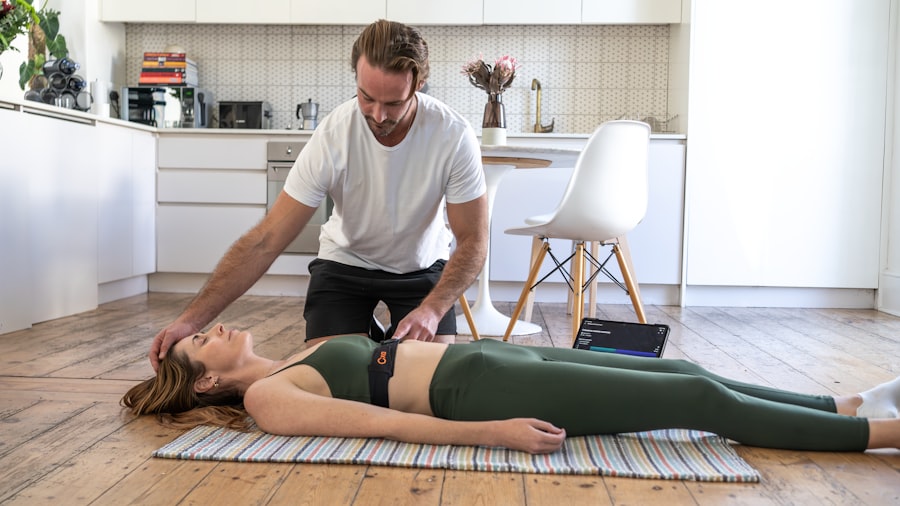
Breathing exercises are an accessible and effective way to incorporate mindfulness into your daily routine. These exercises can help you manage stress by calming your nervous system and promoting relaxation. You might be surprised at how something as simple as focusing on your breath can have profound effects on your mental state. By taking a few moments to engage in breathing exercises, you can create a sense of peace amidst the chaos of your workday.
There are various types of breathing exercises that you can explore, each offering unique benefits. Some techniques focus on deepening your breath, while others emphasize rhythm and pattern. Regardless of the method you choose, the key is to find a practice that resonates with you. As you become more familiar with these exercises, you may discover that they not only help reduce stress but also enhance your overall sense of well-being.
The 4-7-8 Technique

One popular breathing technique is the 4-7-8 method, which is designed to promote relaxation and reduce anxiety. To practice this technique, you begin by inhaling through your nose for a count of four. Then, you hold your breath for a count of seven before exhaling slowly through your mouth for a count of eight. This rhythmic pattern helps to slow down your heart rate and calm your mind. You may find that just a few cycles of this breathing exercise can significantly alleviate feelings of stress.
The beauty of the 4-7-8 technique lies in its simplicity and effectiveness. You can practice it anywhere—whether you’re at your desk, in a meeting, or even during a break in the restroom. As you become more comfortable with this technique, you might notice that it becomes easier to access a state of calmness whenever you need it. Over time, this practice can help rewire your response to stress, allowing you to approach challenges with greater clarity and composure.
Box Breathing
| Exercise | Description |
|---|---|
| 1. Box Breathing | Inhale for 4 seconds, hold for 4 seconds, exhale for 4 seconds, hold for 4 seconds. Repeat. |
| 2. 4-7-8 Breathing | Inhale for 4 seconds, hold for 7 seconds, exhale for 8 seconds. Repeat. |
| 3. Belly Breathing | Breathe deeply into your belly, hold for a few seconds, then exhale slowly. |
Another effective breathing exercise is box breathing, which is often used by athletes and military personnel to enhance focus and reduce anxiety. This technique involves inhaling, holding, exhaling, and holding again for equal counts—typically four seconds each. Picture drawing a box in your mind as you follow this pattern: inhale for four seconds, hold for four seconds, exhale for four seconds, and hold again for four seconds before repeating the cycle. This structured approach can help ground you in the present moment.
Box breathing is particularly beneficial when you’re feeling overwhelmed or distracted at work. By focusing on the rhythm of your breath, you can create a mental space that allows you to reset and regain control over your thoughts. You may find that this technique not only calms your nerves but also enhances your concentration, making it easier to tackle tasks with renewed energy and focus.
Belly Breathing
Belly breathing, also known as diaphragmatic breathing, is another technique that can help reduce workplace stress. This method encourages deeper breaths that engage the diaphragm rather than shallow chest breathing. To practice belly breathing, place one hand on your chest and the other on your abdomen. As you inhale deeply through your nose, focus on expanding your belly rather than lifting your chest. Exhale slowly through your mouth, allowing your belly to fall naturally.
This technique promotes relaxation by activating the body’s parasympathetic nervous system, which counteracts the stress response. You may find that belly breathing helps lower your heart rate and blood pressure while fostering a sense of calmness. Incorporating this practice into your workday can be as simple as taking a few minutes during breaks or before important meetings to center yourself and regain focus.
Alternate Nostril Breathing
Alternate nostril breathing is a unique technique that balances the body’s energy and promotes mental clarity. To practice this method, use your right thumb to close off your right nostril while inhaling deeply through your left nostril. Then, close off your left nostril with your right ring finger while releasing the right nostril to exhale fully. Inhale through the right nostril before switching again to exhale through the left nostril. This cycle creates a harmonious flow of breath that can help calm the mind.
You may find that alternate nostril breathing not only reduces stress but also enhances creativity and focus. This technique encourages you to engage both hemispheres of the brain, fostering a sense of balance and clarity in your thoughts. As you incorporate this practice into your routine, you might discover new insights and solutions to challenges at work.
Incorporating Mindfulness into Your Workday
Integrating mindfulness into your workday doesn’t have to be time-consuming or complicated. You can start by setting aside just a few minutes each day for mindfulness practices like meditation or breathing exercises. Consider scheduling these moments into your calendar as appointments for yourself—this commitment can help ensure that you prioritize self-care amidst a busy schedule.
Additionally, look for opportunities throughout your day to practice mindfulness informally. For instance, when you’re waiting for a meeting to start or taking a coffee break, take a moment to focus on your breath or observe your surroundings without judgment. These small moments of mindfulness can accumulate over time, leading to significant improvements in how you handle stress and interact with others at work.
Tips for Practicing Breathing Exercises at Work
To make breathing exercises more effective in the workplace, consider creating a dedicated space where you can practice without distractions. This could be a quiet corner of your office or even a designated area outside where you can step away from the hustle and bustle for a few moments. Having a specific location can signal to your mind that it’s time to relax and refocus.
You might also find it helpful to set reminders throughout the day to check in with yourself and practice breathing exercises when needed. Whether it’s using an app on your phone or simply placing sticky notes around your workspace, these prompts can encourage you to take those much-needed breaks for mindfulness and relaxation.
Overcoming Challenges in Implementing Mindfulness
While incorporating mindfulness into your workday can be beneficial, it’s not without its challenges. You may encounter resistance from yourself or others who view mindfulness practices as unnecessary or time-consuming. It’s essential to recognize that these feelings are normal and part of the process of change. Acknowledge any skepticism you may have and remind yourself of the potential benefits mindfulness can bring.
Additionally, finding time for mindfulness amidst a busy schedule can be daunting. You might feel guilty about taking breaks when there are tasks waiting for completion. However, it’s important to remember that taking time for self-care ultimately enhances productivity and creativity in the long run. By reframing how you view these practices—as essential components of maintaining well-being—you can overcome these challenges more effectively.
Seeking Professional Help for Persistent Workplace Stress
If workplace stress becomes overwhelming despite implementing mindfulness techniques and breathing exercises, it may be time to seek professional help. A mental health professional can provide valuable support and guidance tailored to your specific needs. They can help you explore underlying issues contributing to your stress and develop coping strategies that work for you.
Don’t hesitate to reach out for help if you’re feeling persistently stressed or anxious at work. Remember that seeking support is not a sign of weakness; rather, it demonstrates strength and self-awareness in recognizing when additional assistance is needed. By taking this step, you’re investing in yourself and paving the way for a healthier work-life balance.
In conclusion, understanding workplace stress and incorporating mindfulness practices such as breathing exercises can significantly enhance your well-being at work. By exploring various techniques like the 4-7-8 method, box breathing, belly breathing, and alternate nostril breathing, you can find what resonates with you best. Remember that integrating mindfulness into your daily routine takes time and patience but can lead to profound changes in how you manage stress and interact with others in the workplace.