


Mindfulness is a practice that encourages you to focus on the present moment, cultivating an awareness of your thoughts, feelings, and surroundings without judgment. It invites you to engage fully with your experiences, allowing you to observe your internal and external worlds with clarity. By embracing mindfulness, you can develop a deeper understanding of yourself and your reactions to various situations. This heightened awareness can lead to improved emotional regulation, better decision-making, and a greater sense of peace in your daily life.
At its core, mindfulness is about being present. In a world filled with distractions and constant demands on your attention, it can be easy to lose sight of the here and now. You may find yourself ruminating on past events or worrying about future outcomes, which can lead to increased anxiety and stress. Mindfulness encourages you to step back from these thoughts and simply observe them as they arise. By doing so, you can create a space between your thoughts and your reactions, allowing for a more thoughtful and intentional response to life’s challenges.
In addition to exploring the benefits of mindfulness through simple breathing exercises for daily stress, you may find the article on consulting products at MeTime particularly useful. This resource offers a variety of tools and strategies designed to enhance your mindfulness practice and overall well-being. To learn more, visit MeTime Consulting Products.
The Impact of Daily Stress
Daily stressors can take a significant toll on your mental and physical well-being. From work deadlines to family obligations, the pressures of modern life can leave you feeling overwhelmed and fatigued. Chronic stress can lead to a host of health issues, including anxiety, depression, and even cardiovascular problems. Recognizing the impact of daily stress is crucial for taking proactive steps toward managing it effectively.
You may notice that stress manifests in various ways, such as irritability, difficulty concentrating, or physical symptoms like headaches and muscle tension. These signs are your body’s way of signaling that it needs attention and care. By acknowledging the presence of stress in your life, you can begin to explore strategies for alleviating its effects. Mindfulness practices, particularly breathing exercises, can serve as powerful tools for reducing stress and promoting a sense of calm amidst the chaos.
Benefits of Breathing Exercises
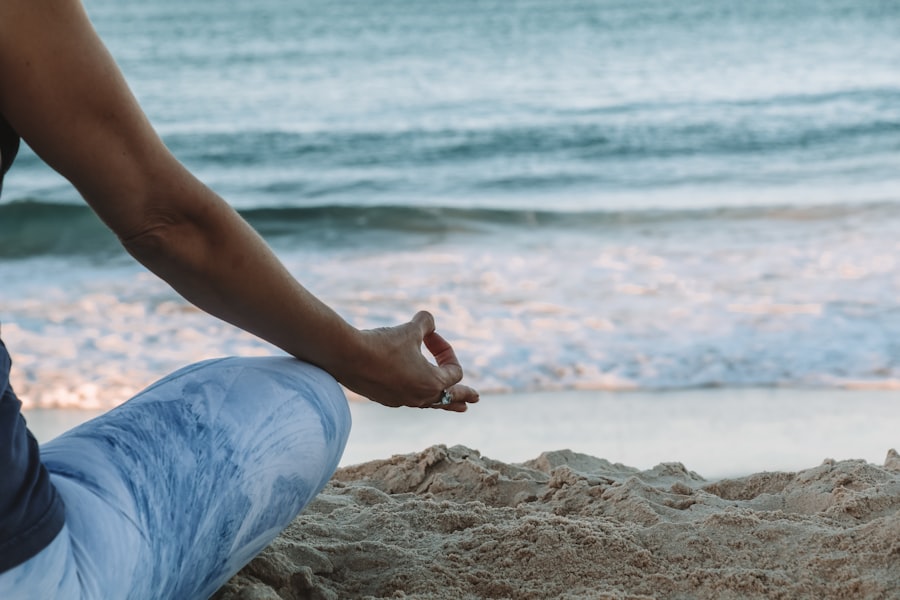
Breathing exercises are a cornerstone of mindfulness practice, offering numerous benefits for both your mental and physical health. When you engage in focused breathing, you activate the body’s relaxation response, which counteracts the effects of stress. This simple yet effective technique can help lower your heart rate, reduce blood pressure, and promote a sense of tranquility. As you learn to control your breath, you also gain greater control over your emotional state.
In addition to promoting relaxation, breathing exercises can enhance your overall well-being by improving concentration and mental clarity. When you take the time to focus on your breath, you create a moment of stillness that allows your mind to reset. This can lead to increased productivity and creativity as you approach tasks with a refreshed perspective. Furthermore, regular practice of breathing techniques can foster resilience, equipping you with the tools needed to navigate life’s challenges with grace and composure.
Simple Breathing Techniques
Incorporating simple breathing techniques into your daily routine can be an effective way to cultivate mindfulness and reduce stress. One of the easiest methods is to practice deep breathing, which involves inhaling deeply through your nose, allowing your abdomen to expand fully, and then exhaling slowly through your mouth. This technique encourages full oxygen exchange and helps calm the nervous system. You can practice deep breathing anywhere—whether you’re at your desk, in a meeting, or even waiting in line.
Another straightforward technique is the practice of counting breaths. As you inhale deeply, count “one,” then “two” as you exhale. Continue this pattern up to ten before starting over. This method not only helps anchor your attention but also creates a rhythm that can be soothing during moments of stress or anxiety. By integrating these simple techniques into your day, you can cultivate a greater sense of mindfulness and presence in your life.
In exploring the benefits of mindfulness, you may find it helpful to read about the various techniques that can enhance your practice. A related article titled Mindfulness Techniques for Everyday Life delves into additional strategies that complement simple breathing exercises, offering insights on how to integrate mindfulness into your daily routine. By combining these approaches, you can create a more holistic method for managing stress and improving your overall well-being.
The 4-7-8 Technique
| Exercise | Description |
|---|---|
| Deep Breathing | Inhale deeply through your nose for a count of 4, hold for a count of 4, and exhale through your mouth for a count of 4. Repeat several times. |
| Box Breathing | Inhale for a count of 4, hold for a count of 4, exhale for a count of 4, and hold for a count of 4. Repeat for several cycles. |
| 4-7-8 Breathing | Inhale for a count of 4, hold for a count of 7, and exhale for a count of 8. Repeat for several cycles. |
The 4-7-8 technique is a specific breathing exercise designed to promote relaxation and reduce anxiety. To practice this technique, begin by sitting comfortably with your back straight. Close your eyes and take a deep breath in through your nose for a count of four. Hold that breath for a count of seven before exhaling slowly through your mouth for a count of eight. This cycle can be repeated several times, allowing you to experience the calming effects of controlled breathing.
The beauty of the 4-7-8 technique lies in its simplicity and effectiveness. By extending the exhalation longer than the inhalation, you activate the parasympathetic nervous system, which helps induce a state of calmness. Many people find that practicing this technique before bed helps them unwind and prepare for restful sleep. As you become more familiar with this method, you may discover that it serves as a valuable tool for managing stress throughout your day.
Box Breathing
Box breathing is another powerful technique that can help ground you in the present moment while promoting relaxation. This method involves four equal parts: inhaling, holding the breath, exhaling, and holding again—each for a count of four. Imagine drawing a box in your mind as you follow this pattern: inhale as you move up one side, hold as you cross the top, exhale as you descend down the other side, and hold again as you complete the box.
This structured approach not only calms the mind but also enhances focus and concentration. Box breathing is particularly useful during moments of high stress or anxiety when you need to regain control over your thoughts and emotions. By practicing this technique regularly, you can train your body to respond more effectively to stressors, allowing for greater emotional resilience in challenging situations.
Belly Breathing
Belly breathing, also known as diaphragmatic breathing, is a technique that encourages deeper breaths by engaging the diaphragm rather than shallow chest breathing. To practice belly breathing, find a comfortable position—either sitting or lying down—and place one hand on your chest and the other on your abdomen. As you inhale deeply through your nose, focus on expanding your abdomen rather than lifting your chest. Exhale slowly through your mouth while feeling your abdomen fall.
This technique not only promotes relaxation but also improves oxygen flow throughout the body. By engaging the diaphragm fully, you can enhance lung capacity and reduce feelings of tension or anxiety. Belly breathing is especially beneficial during moments when you feel overwhelmed or stressed; it serves as a gentle reminder to slow down and reconnect with your body.
Alternate Nostril Breathing
Alternate nostril breathing is an ancient yogic practice that balances the body’s energy while promoting relaxation and mental clarity. To practice this technique, sit comfortably with your spine straight. Using your right thumb, close off your right nostril while inhaling deeply through your left nostril. Then close off the left nostril with your right ring finger while releasing the right nostril to exhale fully. Inhale through the right nostril next before switching again to exhale through the left nostril.
This rhythmic pattern not only calms the mind but also helps balance both hemispheres of the brain. Many practitioners find that alternate nostril breathing enhances their focus and concentration while reducing feelings of anxiety or restlessness. Incorporating this technique into your mindfulness practice can deepen your connection to yourself and promote a sense of inner harmony.
Mindful Walking
Mindful walking is an excellent way to combine physical activity with mindfulness practice. As you walk, pay close attention to each step—the sensation of your feet touching the ground, the rhythm of your breath, and the sights and sounds around you. This practice encourages you to engage fully with the present moment while enjoying the benefits of movement.
You may find that mindful walking helps clear your mind and reduce stress levels significantly. By focusing on the act of walking rather than letting your thoughts wander, you create an opportunity for reflection and awareness. Whether you’re walking in nature or around your neighborhood, this practice allows you to connect with both your body and environment in a meaningful way.
Incorporating Breathing Exercises into Daily Routine
Integrating breathing exercises into your daily routine doesn’t have to be complicated or time-consuming. You can start by setting aside just a few minutes each day for focused breathing practice—perhaps first thing in the morning or before bed. Consider using reminders on your phone or sticky notes around your home to prompt you to take mindful breaks throughout the day.
Additionally, try pairing breathing exercises with other activities you already engage in regularly—such as during your commute or while waiting for an appointment. By weaving these practices into existing routines, you’ll find it easier to cultivate mindfulness without feeling overwhelmed by additional commitments.
Making Mindfulness a Priority
In today’s fast-paced world, making mindfulness a priority is essential for maintaining balance and well-being. By understanding the impact of daily stressors and incorporating simple breathing techniques into your life, you can cultivate greater awareness and resilience in the face of challenges. Remember that mindfulness is not about achieving perfection; it’s about embracing each moment with openness and curiosity.
As you explore various breathing exercises—such as the 4-7-8 technique, box breathing, belly breathing, alternate nostril breathing, and mindful walking—you’ll discover what resonates most with you personally. The key is consistency; by committing to regular practice, you’ll gradually experience profound shifts in how you respond to stressors and navigate life’s ups and downs with grace and ease. Prioritizing mindfulness will ultimately lead to a more fulfilling life filled with peace and presence.