

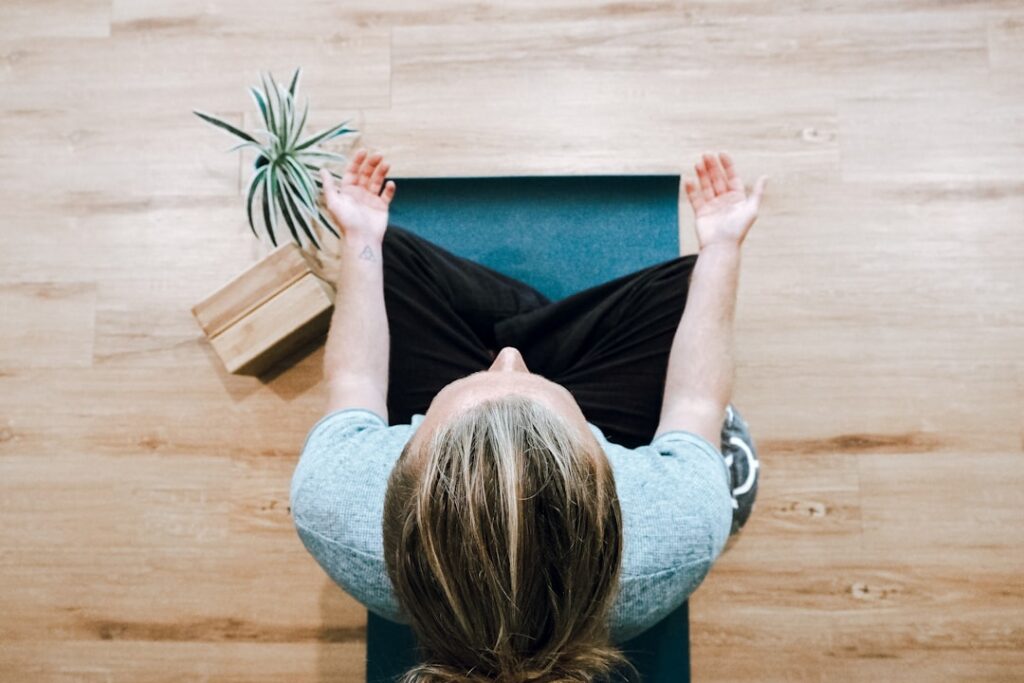
In today’s fast-paced world, the concepts of mindfulness and meditation have gained significant traction as tools for enhancing mental well-being. You may have heard these terms thrown around in various contexts, from wellness blogs to corporate workshops, but what do they truly mean? Mindfulness is the practice of being fully present in the moment, acknowledging your thoughts and feelings without judgment. Meditation, on the other hand, is a structured practice that often involves focusing your mind to achieve a state of calm and clarity. Together, these practices can help you cultivate a deeper awareness of your surroundings and your internal landscape.
As you navigate through life’s daily challenges, incorporating mindfulness and meditation into your routine can serve as a powerful antidote to stress and anxiety. You might find that these practices not only enhance your emotional resilience but also improve your overall quality of life. By learning to be more present, you can develop a greater appreciation for the small moments that often go unnoticed. This article will explore how you can integrate mindfulness into one of the most routine aspects of your day: your daily commute.
Benefits of Mindfulness and Meditation
The benefits of mindfulness and meditation are extensive and well-documented. You may experience reduced stress levels, improved focus, and enhanced emotional regulation as you engage in these practices. Research has shown that regular mindfulness practice can lead to changes in brain structure, promoting areas associated with emotional regulation and decreasing activity in regions linked to stress. This means that by dedicating just a few minutes each day to mindfulness or meditation, you can create lasting positive changes in your mental health.
Moreover, mindfulness can improve your relationships with others. When you practice being present, you become more attuned to the feelings and needs of those around you. This heightened awareness can lead to more meaningful interactions and a greater sense of connection with others. As you cultivate mindfulness, you may find that your ability to empathize and communicate effectively improves, enriching both personal and professional relationships. The benefits extend beyond the individual; they ripple out into your community, fostering a more compassionate environment.
Understanding the Daily Commute

Your daily commute is often viewed as a mundane necessity, a time-consuming transition between home and work. However, this period can also be an opportunity for reflection and self-discovery. Whether you travel by car, train, or bus, your commute is a unique time that can be transformed into a mindful experience. Understanding the nature of your commute is the first step toward making it a more enriching part of your day.
Consider how you typically approach your commute. Is it a time filled with frustration due to traffic jams or crowded public transport? Or do you use it as an opportunity to catch up on podcasts or music? By examining your current habits, you can identify areas where mindfulness can be integrated. Instead of viewing your commute as merely a means to an end, you can reframe it as a valuable part of your daily routine—an opportunity to practice mindfulness and cultivate a sense of peace before entering the hustle and bustle of your day.
Incorporating Mindfulness into Your Daily Commute

Incorporating mindfulness into your daily commute doesn’t require extensive time or effort; it simply involves shifting your perspective. You can start by setting an intention for your commute each day. This could be as simple as deciding to focus on your breath or to observe the world around you without judgment. By establishing this intention, you create a framework for mindfulness that can guide you through the often chaotic experience of commuting.
Another effective way to incorporate mindfulness is by engaging your senses during your commute. Pay attention to the sights, sounds, and smells around you. If you’re on a train, notice the rhythm of the wheels on the tracks or the conversations happening nearby. If you’re driving, take in the colors of the landscape or the feel of the steering wheel in your hands. By immersing yourself in these sensory experiences, you can anchor yourself in the present moment, reducing feelings of stress and anxiety.
Techniques for Mindful Commuting
| Metric | Before Meditation | After Integrating Meditation | Improvement |
|---|---|---|---|
| Stress Level (Scale 1-10) | 7.5 | 4.2 | 44% decrease |
| Focus During Commute (Scale 1-10) | 5.0 | 7.8 | 56% increase |
| Mood Improvement (Scale 1-10) | 4.3 | 7.1 | 65% increase |
| Commute Enjoyment (Scale 1-10) | 3.8 | 6.9 | 82% increase |
| Mindfulness Practice Duration (minutes) | 0 | 15 | 100% increase |
There are several techniques you can employ to make your commute more mindful. One popular method is mindful breathing. As you travel, take a few moments to focus on your breath—inhale deeply through your nose, hold for a moment, and exhale slowly through your mouth. This simple practice can help ground you and create a sense of calm amidst the chaos of commuting.
Another technique is body scanning. As you sit or stand during your commute, take a moment to mentally scan your body from head to toe. Notice any areas of tension or discomfort and consciously relax those muscles. This practice not only promotes relaxation but also enhances your awareness of how stress manifests physically in your body. By regularly checking in with yourself during your commute, you can cultivate a deeper connection with your body and mind.
Creating a Mindful Environment in Your Commute
Creating a mindful environment during your commute is essential for fostering a sense of peace and presence. If you’re driving, consider playing calming music or nature sounds that promote relaxation. You might also choose to limit distractions by turning off notifications on your phone or avoiding engaging in stressful conversations during this time.
For those who use public transportation, consider bringing along items that enhance mindfulness, such as a journal for reflection or a book that inspires you. You could also use this time to practice gratitude by reflecting on positive aspects of your life or writing down things you’re thankful for in a small notebook. By intentionally curating your environment, you set the stage for a more mindful commuting experience.
Overcoming Challenges in Practicing Mindfulness during Commuting
While practicing mindfulness during your commute can be beneficial, it’s not without its challenges. You may encounter distractions such as noise, crowded spaces, or even negative emotions that arise during this time. Acknowledging these challenges is the first step toward overcoming them. Instead of allowing frustration to take over, remind yourself that it’s okay to feel discomfort; it’s part of being human.
One effective strategy for overcoming these challenges is to develop a mindset of acceptance. When distractions arise—be it loud conversations or unexpected delays—try to observe them without judgment. Acknowledge their presence and then gently redirect your focus back to your breath or the sensations in your body. This practice of acceptance allows you to navigate challenges with greater ease and resilience.
Mindful Breathing and Relaxation Techniques
Mindful breathing is one of the simplest yet most effective techniques for cultivating mindfulness during your commute. As you travel, take deliberate breaths—inhale deeply through your nose for a count of four, hold for four counts, and exhale slowly through your mouth for another four counts. This rhythmic breathing not only calms the mind but also helps regulate emotions.
In addition to mindful breathing, consider incorporating progressive muscle relaxation into your routine. As you sit or stand during your commute, systematically tense and then relax each muscle group in your body—from your toes to your head. This technique helps release physical tension and promotes an overall sense of relaxation, making it easier for you to remain present during your journey.
Utilizing Technology for Mindful Commuting
In our technology-driven world, there are numerous apps and resources available that can enhance your mindful commuting experience. Meditation apps like Headspace or Calm offer guided sessions specifically designed for commuters, allowing you to engage in mindfulness practices even amidst distractions.
You might also explore podcasts focused on mindfulness or personal development that can inspire you during your travels. These resources provide valuable insights while keeping you engaged in positive thoughts rather than negative distractions during your commute.
Mindful Activities to Enhance Your Commute
Beyond breathing exercises and meditation apps, there are various mindful activities you can engage in during your commute. For instance, consider practicing gratitude by mentally listing things you’re thankful for as you travel. This simple exercise shifts your focus from stressors to positive aspects of life.
You could also use this time for reflective journaling if you’re on public transport—writing down thoughts or insights that arise during your journey can deepen self-awareness and promote clarity in thinking.
Making Mindfulness a Priority in Your Daily Commute
Incorporating mindfulness into your daily commute is not just about finding peace amidst chaos; it’s about transforming an ordinary part of your day into an opportunity for growth and self-discovery. By embracing techniques such as mindful breathing, body scanning, and gratitude practices, you can cultivate a greater sense of presence and awareness.
As you make mindfulness a priority during your commute, you’ll likely notice positive changes not only in how you approach this daily ritual but also in how you engage with the world around you. By dedicating this time to yourself—free from distractions—you create space for reflection and connection that enriches both your personal life and professional endeavors. So take a deep breath, set an intention for today’s journey, and embrace the transformative power of mindful commuting.