

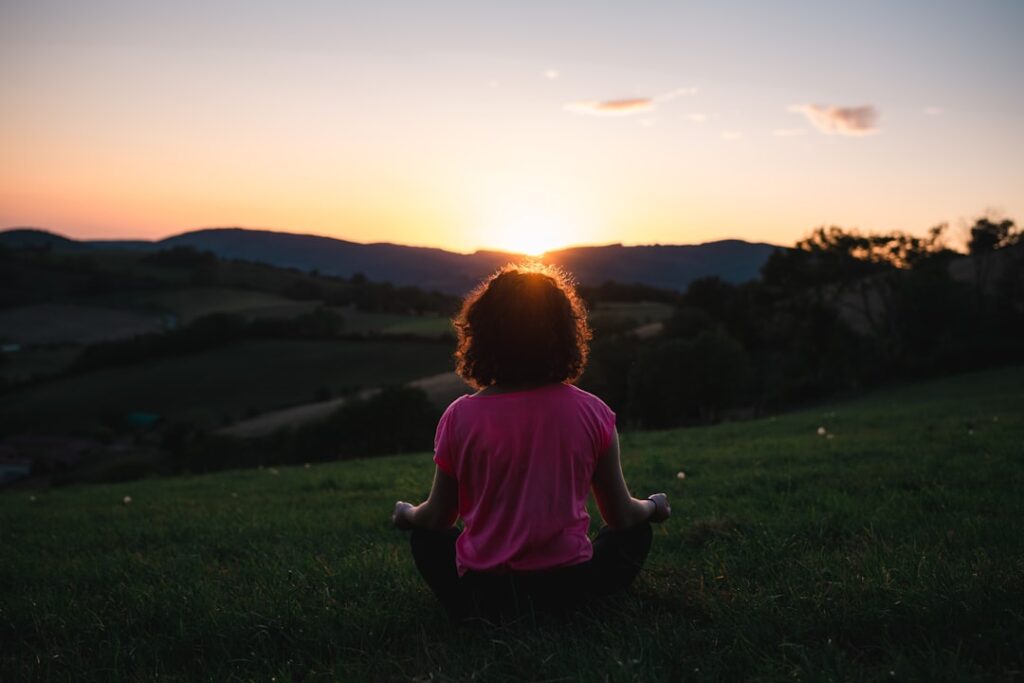
Mindfulness is a practice that invites you to immerse yourself fully in the present moment, fostering a heightened awareness of your thoughts, feelings, and surroundings. It encourages you to observe your experiences without judgment, allowing you to cultivate a deeper understanding of yourself and your reactions to the world around you. By engaging in mindfulness, you can develop a greater sense of clarity and focus, which can lead to improved emotional regulation and overall well-being.
At its core, mindfulness is about being present. It’s easy to get caught up in the whirlwind of daily life, where thoughts about the past or future often dominate your mind. However, when you practice mindfulness, you learn to anchor yourself in the here and now. This shift in perspective can be transformative, as it allows you to appreciate the small moments that often go unnoticed. Whether it’s savoring a cup of tea or feeling the warmth of the sun on your skin, mindfulness helps you reconnect with the richness of life.
In addition to exploring the principles of mindfulness and sustainable meditation practices in “Mindfulness Matters: How to Start a Sustainable Meditation Practice,” readers may find it beneficial to check out the article on privacy and personal well-being at MeTime Privacy Policy. This article delves into the importance of maintaining a safe and secure environment for personal growth, which complements the journey of establishing a consistent meditation routine.
Benefits of Meditation
Meditation offers a plethora of benefits that can enhance your mental, emotional, and physical health. One of the most significant advantages is its ability to reduce stress. When you meditate, you create a space for relaxation, allowing your mind and body to unwind. This practice can lower cortisol levels, the hormone associated with stress, leading to a calmer state of being. As you incorporate meditation into your routine, you may find that you respond to stressors with greater ease and resilience.
In addition to stress reduction, meditation can improve your focus and concentration. In our fast-paced world filled with distractions, honing your attention can be a challenge. However, regular meditation trains your mind to stay present and engaged. You may notice that tasks that once felt overwhelming become more manageable as your ability to concentrate sharpens. Furthermore, meditation has been linked to enhanced emotional well-being, helping you cultivate a more positive outlook on life and fostering feelings of compassion and empathy towards yourself and others.
Setting the Intention
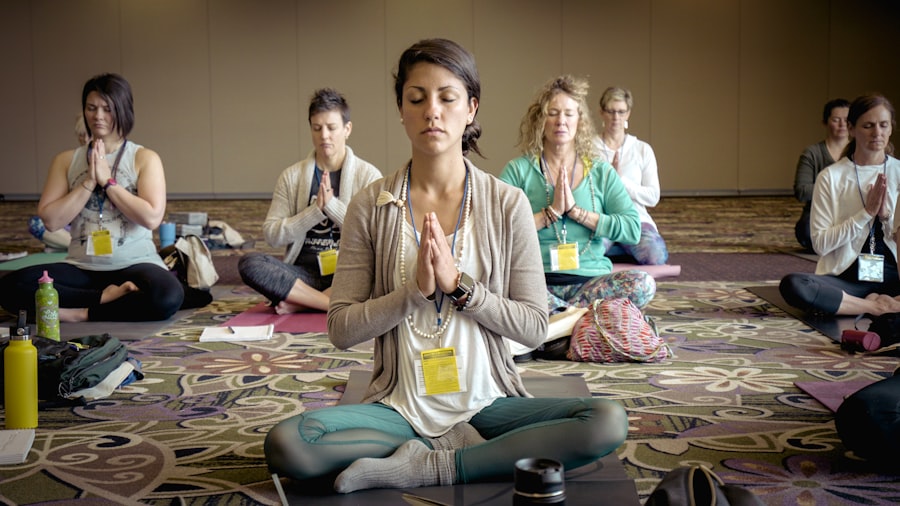
Setting an intention before you begin your meditation practice is a powerful way to guide your experience. An intention serves as a focal point, providing clarity on what you hope to achieve during your session. It could be as simple as seeking peace or as specific as wanting to cultivate gratitude. By articulating your intention, you create a sense of purpose that can deepen your practice and enhance its effectiveness.
As you set your intention, take a moment to reflect on what resonates with you at that moment. This could involve journaling or simply sitting quietly with your thoughts. The act of setting an intention not only prepares your mind for meditation but also helps you align your thoughts and actions throughout the day. When challenges arise, returning to your intention can serve as a reminder of what truly matters to you, guiding you back to a place of mindfulness and presence.
Finding a Quiet Space

Creating an environment conducive to meditation is essential for fostering a successful practice. Finding a quiet space where you feel comfortable and safe allows you to immerse yourself fully in the experience. This could be a dedicated corner in your home, a peaceful spot in nature, or even a cozy chair where you can sit undisturbed. The key is to choose a location that minimizes distractions and promotes tranquility.
Once you’ve identified your space, consider enhancing it further by incorporating elements that resonate with you. This might include soft lighting, calming scents from essential oils or candles, or even soothing music in the background. Personalizing your meditation space can make it feel more inviting and special, encouraging you to return regularly. Remember that this space is yours; it should reflect your preferences and create an atmosphere that supports your journey into mindfulness.
If you’re interested in cultivating a sustainable meditation practice, you might find the article on personal mindfulness journeys particularly insightful. It offers practical tips and personal anecdotes that complement the ideas presented in “Mindfulness Matters: How to Start a Sustainable Meditation Practice.” You can explore this enriching content by visiting this link, which delves deeper into the transformative power of mindfulness and how it can be integrated into daily life.
Breathing Techniques
| Metrics | Data |
|---|---|
| Number of meditation sessions per week | 5 |
| Duration of each meditation session | 20 minutes |
| Types of meditation practiced | Mindfulness, Loving-kindness, Body scan |
| Progress over time | Increased focus, reduced stress, improved sleep |
Breathing techniques are fundamental components of meditation that can significantly enhance your practice. Your breath serves as an anchor, helping you stay grounded in the present moment. By focusing on your breath, you can cultivate a sense of calm and clarity that permeates your entire being. One simple technique is deep belly breathing, where you inhale deeply through your nose, allowing your abdomen to expand fully before exhaling slowly through your mouth.
Another effective technique is the 4-7-8 method, which involves inhaling for four counts, holding the breath for seven counts, and exhaling for eight counts. This rhythmic pattern not only calms the nervous system but also promotes relaxation and reduces anxiety. As you experiment with different breathing techniques, pay attention to how each one affects your state of mind. You may find that certain methods resonate more with you than others, allowing you to tailor your practice to suit your needs.
If you’re interested in exploring the benefits of mindfulness further, you might find the article on sustainable meditation practices particularly insightful. It offers practical tips and techniques to help you integrate mindfulness into your daily routine, making it easier to maintain a consistent practice. For more information, check out this helpful resource on sustainable meditation.
Choosing a Meditation Style
With various meditation styles available, selecting one that aligns with your preferences and goals is crucial for maintaining motivation and engagement. Mindfulness meditation focuses on observing thoughts and sensations without judgment, while loving-kindness meditation encourages compassion towards oneself and others. If you’re seeking relaxation, guided meditations may be beneficial as they provide direction and support throughout the process.
You might also explore movement-based practices like yoga or tai chi, which combine physical movement with mindfulness principles. These styles can be particularly appealing if you find it challenging to sit still for extended periods. As you experiment with different approaches, remain open-minded and curious about what resonates with you. The right meditation style can enhance your experience and make it more enjoyable.
Overcoming Distractions
Distractions are an inevitable part of meditation; however, learning how to navigate them can significantly improve your practice. When thoughts arise—whether they’re about tasks on your to-do list or worries about the future—acknowledge them without judgment and gently guide your focus back to your breath or chosen point of concentration. This process of recognizing distractions is an integral part of mindfulness; it teaches you to observe without becoming entangled in those thoughts.
Creating a distraction-free environment can also help minimize interruptions during meditation. Consider turning off notifications on your devices or using apps designed for meditation that offer guided sessions without distractions. Additionally, setting aside dedicated time for meditation when you’re less likely to be interrupted can enhance your experience. Remember that it’s normal for distractions to occur; what matters is how you respond to them.
Establishing a Routine
Establishing a consistent meditation routine is key to reaping its benefits over time. By dedicating specific times each day for meditation—whether it’s in the morning before starting your day or in the evening as a way to unwind—you create a habit that becomes ingrained in your lifestyle. Consistency fosters familiarity with the practice, making it easier for you to settle into meditation each time.
To help solidify this routine, consider pairing meditation with another daily activity. For instance, if you enjoy morning coffee or tea, use that time as an opportunity for mindfulness before indulging in your beverage. Alternatively, if you’re winding down at night, incorporate meditation into your bedtime routine as a way to signal to your body that it’s time to relax. By integrating meditation into existing habits, you’ll find it easier to maintain this beneficial practice.
Incorporating Mindfulness into Daily Life
Mindfulness extends beyond formal meditation sessions; it can be woven into the fabric of your daily life. Simple practices such as mindful eating—paying attention to the flavors and textures of each bite—or mindful walking—focusing on each step and the sensations in your body—can enhance your awareness throughout the day. These small moments of mindfulness allow you to cultivate presence even amidst the busyness of life.
Additionally, consider using everyday activities as opportunities for mindfulness practice. Whether you’re washing dishes or commuting to work, try bringing awareness to the sensations involved in those tasks. Notice how the water feels on your hands or how the rhythm of driving feels beneath you. By infusing mindfulness into routine activities, you’ll gradually develop a more profound connection with each moment.
Seeking Support and Guidance
Embarking on a mindfulness journey can sometimes feel overwhelming; seeking support and guidance can make all the difference in maintaining motivation and deepening your practice. Consider joining local meditation groups or online communities where like-minded individuals share their experiences and insights. Engaging with others who are on similar paths can provide encouragement and inspiration as you navigate challenges together.
Additionally, exploring resources such as books, podcasts, or guided meditations can offer valuable insights into different techniques and philosophies surrounding mindfulness and meditation. Many apps provide structured programs tailored for various levels of experience, making it easier for you to find guidance that resonates with your needs. Remember that seeking support is not a sign of weakness; rather, it reflects a commitment to nurturing your well-being.
Cultivating Patience and Persistence
As with any new skill or practice, cultivating patience and persistence is essential when it comes to mindfulness and meditation. Progress may not always be linear; some days will feel more challenging than others as distractions arise or emotions surface unexpectedly. Embrace these moments as part of the journey rather than obstacles; they offer valuable opportunities for growth and self-discovery.
Remind yourself that mindfulness is not about achieving perfection but rather about developing awareness over time. Celebrate small victories along the way—whether it’s noticing when you’ve become distracted or experiencing moments of clarity during meditation—and allow yourself grace during challenging times. With patience and persistence, you’ll find that mindfulness becomes an integral part of who you are, enriching both your inner world and interactions with others.
In conclusion, embracing mindfulness through meditation offers profound benefits for both mental clarity and emotional well-being. By understanding its principles, setting intentions, creating supportive environments, and incorporating practices into daily life while remaining patient with yourself along the way—you’ll embark on a transformative journey toward greater awareness and fulfillment.