

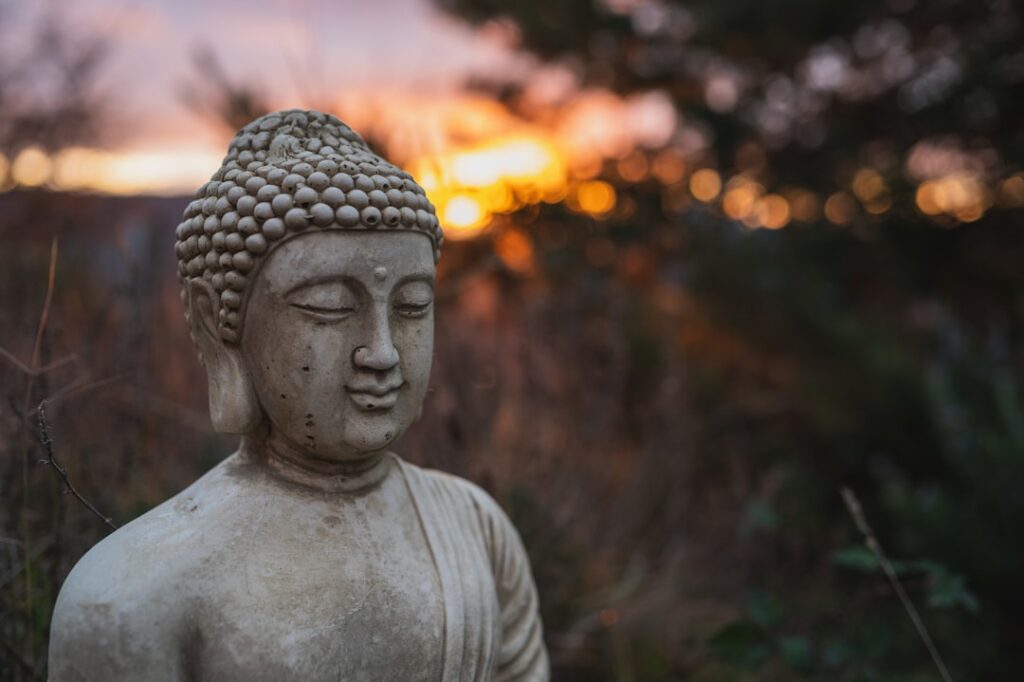
Mindfulness is the practice of being fully present in the moment, aware of your thoughts, feelings, and surroundings without judgment. It encourages you to observe your experiences as they unfold, allowing you to engage with life more deeply. This state of awareness can help you cultivate a greater sense of peace and clarity, enabling you to respond to situations with intention rather than react impulsively. In a world that often feels chaotic and overwhelming, mindfulness serves as a powerful tool for grounding yourself and enhancing your overall well-being.
The importance of mindfulness cannot be overstated. It matters because it fosters resilience, improves emotional regulation, and enhances your ability to cope with stress. By practicing mindfulness, you can develop a more compassionate relationship with yourself and others. This practice encourages you to slow down and appreciate the present moment, which can lead to increased happiness and fulfillment. In essence, mindfulness is not just a technique; it is a way of living that can transform your perspective and enrich your life.
The Science Behind Mindful Breathing
Mindful breathing is a fundamental aspect of mindfulness practice, and its benefits are supported by a growing body of scientific research. When you focus on your breath, you activate the parasympathetic nervous system, which promotes relaxation and reduces stress. This physiological response can lower your heart rate and decrease levels of cortisol, the stress hormone. As you engage in mindful breathing, you create a space for your body and mind to recalibrate, allowing you to experience a sense of calm amidst the chaos of daily life.
Research has shown that regular practice of mindful breathing can lead to significant improvements in mental health. Studies indicate that individuals who engage in mindful breathing exercises report lower levels of anxiety and depression. Furthermore, mindful breathing has been linked to enhanced cognitive function, including improved attention and memory. By understanding the science behind mindful breathing, you can appreciate its profound impact on your mental and emotional well-being, motivating you to incorporate it into your daily routine.
How to Practice Mindful Breathing

Practicing mindful breathing is simple yet profoundly effective. To begin, find a comfortable position—whether sitting or lying down—and close your eyes if it feels right for you. Take a moment to settle into your body, noticing any areas of tension or discomfort. As you start to breathe in deeply through your nose, allow your abdomen to expand fully. Then exhale slowly through your mouth, letting go of any stress or tension with each breath out. This rhythmic pattern of inhalation and exhalation serves as an anchor for your attention.
As you continue this practice, focus on the sensation of the breath entering and leaving your body. Notice the coolness of the air as it enters your nostrils and the warmth as it exits. If your mind begins to wander—which it inevitably will—gently guide your focus back to your breath without judgment. This process of returning your attention is an essential part of mindfulness; it helps strengthen your ability to concentrate and remain present. With consistent practice, you will find that mindful breathing becomes easier and more natural, allowing you to tap into its benefits more readily.
Finding a Quiet Space for Mindful Breathing

Creating an environment conducive to mindful breathing is crucial for maximizing its benefits. Seek out a quiet space where you can practice without interruptions or distractions. This could be a corner of your home, a peaceful park, or even a designated room for meditation. The key is to choose a location that feels safe and comfortable for you, allowing you to fully immerse yourself in the experience.
Once you’ve identified your space, consider enhancing it with elements that promote relaxation. You might light a candle, play soft music, or use essential oils to create an inviting atmosphere. These sensory cues can help signal to your mind that it’s time to engage in mindful breathing. By establishing a dedicated space for this practice, you signal to yourself the importance of taking time for self-care and reflection, reinforcing the habit of mindfulness in your daily life.
The Importance of Posture in Mindful Breathing
“`html
| Chapter | Topic | Metrics |
|---|---|---|
| 1 | Introduction to Mindful Breathing | Benefits of mindful breathing |
| 2 | Understanding Stressful Moments | Causes of stress and its impact |
| 3 | Practicing Mindful Breathing | Techniques and exercises |
| 4 | Applying Mindful Breathing in Daily Life | Integration into daily routines |
“`
Your posture plays a significant role in how effectively you can engage in mindful breathing. A proper posture allows for optimal lung capacity and facilitates deeper breaths. When sitting or standing, aim for an upright position with your shoulders relaxed and your spine straight. This alignment not only promotes better breathing but also helps you feel more alert and focused during your practice.
If you’re seated, consider placing your feet flat on the ground or crossing them comfortably if you’re sitting on the floor. Rest your hands on your knees or in your lap, allowing them to relax naturally. If you’re lying down, ensure that your body is supported evenly by the surface beneath you. By paying attention to your posture, you create a physical foundation that enhances your ability to breathe mindfully and remain present in the moment.
Tips for Focusing on the Breath
Focusing on your breath can sometimes be challenging, especially when distractions arise or thoughts begin to swirl in your mind. To enhance your concentration during mindful breathing, try using specific techniques that can help anchor your attention. One effective method is to count your breaths; inhale deeply while counting “one,” then exhale while counting “two,” and continue this pattern up to ten before starting over again. This counting technique provides a structured way to maintain focus on your breath.
Another helpful approach is to visualize your breath as a wave gently rolling in and out. Imagine each inhalation as a wave coming ashore, bringing calmness and clarity, while each exhalation represents the wave receding back into the ocean, taking away stress and tension. This visualization can create a soothing mental image that keeps you engaged in the practice while promoting relaxation.
Dealing with Distractions During Mindful Breathing
Distractions are an inevitable part of any mindfulness practice, but learning how to deal with them can enhance your experience significantly. When external noises or internal thoughts disrupt your focus during mindful breathing, acknowledge them without judgment. Instead of becoming frustrated or trying to suppress these distractions, simply recognize their presence and gently guide your attention back to your breath.
You might find it helpful to set an intention before beginning your practice—reminding yourself that distractions are normal and part of the process. By adopting this mindset, you can cultivate patience with yourself as you navigate through moments of distraction. Over time, you’ll develop greater resilience in returning to the breath despite interruptions, ultimately deepening your mindfulness practice.
Incorporating Mindful Breathing into Daily Life
Integrating mindful breathing into your daily routine can be transformative for both your mental health and overall well-being. You don’t need to set aside large blocks of time; even short moments throughout the day can be beneficial. Consider taking a few deep breaths before starting a new task at work or during breaks between meetings. This simple act can help reset your mind and enhance focus.
Additionally, try incorporating mindful breathing into activities you already engage in regularly—such as walking or waiting in line. As you walk, pay attention to each breath as it synchronizes with your steps; inhale as one foot touches the ground and exhale as the other does. By weaving mindful breathing into everyday moments, you create opportunities for mindfulness that enrich your life without requiring significant changes to your schedule.
Mindful Breathing for Stress Relief
Mindful breathing is particularly effective for alleviating stress—a common experience in today’s fast-paced world. When stress arises, taking a moment to engage in mindful breathing can help shift your focus away from overwhelming thoughts and emotions. As you breathe deeply and intentionally, you activate the relaxation response within your body, counteracting the physiological effects of stress.
To use mindful breathing for stress relief effectively, find a quiet space where you can take several minutes for yourself. Close your eyes if it feels comfortable and focus solely on your breath. With each inhalation, visualize drawing in calmness; with each exhalation, imagine releasing tension and anxiety. This practice not only helps reduce immediate feelings of stress but also builds resilience over time, equipping you with tools to manage future stressors more effectively.
Mindful Breathing for Anxiety Management
For those who struggle with anxiety, mindful breathing can serve as a powerful coping mechanism. Anxiety often manifests as racing thoughts or feelings of unease; however, by focusing on your breath, you can create a sense of stability amidst the turmoil. Mindful breathing encourages you to ground yourself in the present moment rather than getting lost in worries about the future.
When experiencing anxiety, take a moment to pause and engage in mindful breathing exercises. Inhale deeply through your nose for a count of four, hold for four counts, then exhale slowly through your mouth for another count of four. This technique not only calms the nervous system but also provides a structured way to regain control over anxious thoughts. With regular practice, mindful breathing can become an invaluable tool for managing anxiety effectively.
The Benefits of Regular Mindful Breathing Practice
Establishing a regular practice of mindful breathing offers numerous benefits that extend beyond immediate relaxation. Over time, consistent engagement with this technique can lead to improved emotional regulation and greater resilience against stressors in daily life. You may find that challenges that once felt overwhelming become more manageable as you cultivate a sense of calm through mindful breathing.
Moreover, regular practice enhances self-awareness—allowing you to recognize patterns in your thoughts and emotions without becoming entangled in them. This heightened awareness fosters compassion towards yourself and others while promoting overall mental clarity. As you commit to incorporating mindful breathing into your routine, you’ll likely experience profound shifts in how you navigate life’s ups and downs—ultimately leading to a more balanced and fulfilling existence.
In conclusion, embracing mindfulness through practices like mindful breathing can significantly enhance both mental health and overall well-being. By understanding its principles and integrating it into daily life, you empower yourself with tools that promote resilience against stress and anxiety while fostering deeper connections with yourself and those around you.