


Budgeting is not merely a financial exercise; it is a powerful tool that can pave the way to financial freedom. When you take the time to create a budget, you gain a clearer understanding of your income and expenses, allowing you to make informed decisions about your money. This clarity can help you identify areas where you can cut back, save more, and ultimately achieve your financial goals. By budgeting, you are not just tracking your spending; you are actively taking control of your financial future.
Moreover, budgeting fosters a sense of discipline and accountability. When you allocate specific amounts to different categories, such as savings, necessities, and discretionary spending, you create a roadmap for your financial journey. This roadmap helps you resist impulsive purchases and encourages you to prioritize your long-term goals over short-term gratification. In essence, budgeting empowers you to make choices that align with your values and aspirations, leading to a more fulfilling life.
For those seeking to enhance their financial literacy and achieve greater financial independence, the article “Financial Freedom Focus: Simple Budgeting Frameworks for Me Time Money” provides valuable insights and practical strategies. To further explore related concepts and tools that can aid in your journey towards financial freedom, you may find the article on budgeting techniques and financial planning helpful. You can read more about it here: Financial Planning Insights.
The 50/30/20 Rule: A Simple Budgeting Framework for Allocating Me Time Money
One of the most straightforward budgeting frameworks is the 50/30/20 rule. This method divides your after-tax income into three categories: 50% for needs, 30% for wants, and 20% for savings and debt repayment. By following this simple structure, you can ensure that you are meeting your essential needs while also allowing yourself some flexibility for enjoyment and future financial security.
When you apply the 50/30/20 rule, you can easily allocate your “me time money”—the funds set aside for personal enjoyment and self-care. This approach encourages you to strike a balance between fulfilling your responsibilities and indulging in activities that bring you joy. For instance, if you find that your discretionary spending is consistently exceeding 30%, it may be time to reassess your priorities and make adjustments to ensure that you are not sacrificing your savings goals.
The Envelope System: A Practical Budgeting Method for Managing Me Time Money

The envelope system is a hands-on budgeting method that can be particularly effective for managing your “me time money.” In this system, you allocate cash into different envelopes designated for specific spending categories, such as entertainment, dining out, or hobbies. Once the cash in an envelope is gone, you cannot spend any more in that category until the next budgeting period begins. This tangible approach can help curb overspending and encourage mindful spending habits.
Using the envelope system allows you to physically see how much money you have available for leisure activities. This visibility can help you make more conscious choices about how to spend your “me time money.” For example, if you’re tempted to splurge on an expensive night out but see that your entertainment envelope is nearly empty, you may decide to opt for a more budget-friendly option instead. This method not only helps you stay within your budget but also fosters a greater appreciation for the experiences you choose to invest in.
Zero-Based Budgeting: A Detailed Approach to Allocating Me Time Money
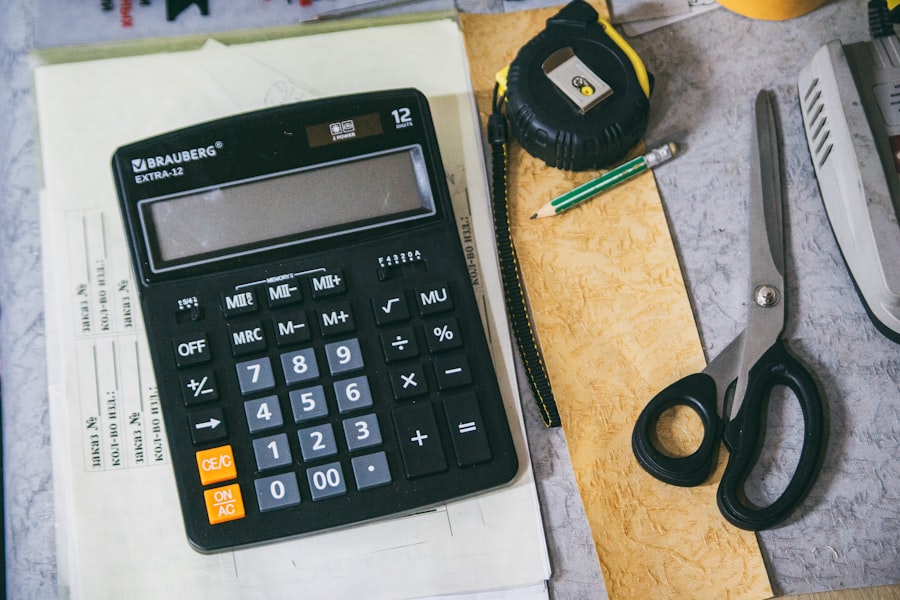
Zero-based budgeting is a meticulous approach that requires you to allocate every dollar of your income to specific expenses, savings, or debt repayment until there is nothing left unassigned. This method ensures that every dollar has a purpose and encourages you to scrutinize your spending habits closely. By adopting zero-based budgeting, you can gain a comprehensive understanding of where your money goes each month.
Incorporating “me time money” into a zero-based budget means that you will need to assign a specific amount for personal enjoyment within your overall financial plan. This could include activities like spa days, hobbies, or travel. By treating these expenses as essential components of your budget rather than afterthoughts, you reinforce the idea that self-care and leisure are vital for maintaining balance in your life. This approach not only helps you manage your finances effectively but also ensures that you prioritize your well-being.
In the pursuit of financial independence, understanding how to manage your budget effectively is crucial. A related article that delves deeper into this topic is available at Me Time Money, which offers insights and strategies for creating a sustainable financial plan. By exploring various budgeting frameworks, you can find the right approach that aligns with your lifestyle and goals, ultimately leading you closer to achieving financial freedom.
The Pay Yourself First Method: Prioritizing Me Time Money in Your Budget
| Framework | Key Features |
|---|---|
| 50/30/20 Rule | 50% for needs, 30% for wants, 20% for savings and debt repayment |
| Envelope System | Allocate cash into envelopes for different spending categories |
| Zero-Based Budgeting | Assign every dollar a specific purpose, so income minus expenses equals zero |
The “pay yourself first” method emphasizes the importance of prioritizing savings and personal enjoyment before addressing other expenses. By setting aside a predetermined amount for savings or “me time money” as soon as you receive your income, you ensure that these funds are allocated before any discretionary spending occurs. This strategy can help cultivate a habit of saving while also allowing for personal enjoyment.
When you adopt this method, consider automating your savings or “me time money” contributions. For instance, set up a separate savings account specifically for personal activities or experiences that bring you joy. By treating this allocation as a non-negotiable expense, you reinforce the idea that investing in yourself is just as important as paying bills or meeting other financial obligations. This proactive approach can lead to greater financial security and overall satisfaction in life.
In the pursuit of financial independence, understanding how to manage your finances effectively is crucial. A great resource that complements the insights found in “Financial Freedom Focus: Simple Budgeting Frameworks for Me Time Money” is an article that delves into practical strategies for budgeting and saving. This article provides valuable tips that can enhance your financial literacy and empower you to take control of your spending habits. For more information, you can check out the article here.
The Importance of Tracking and Adjusting Your Me Time Money Budget
Tracking your spending is an essential component of effective budgeting, especially when it comes to managing your “me time money.” Regularly reviewing your expenses allows you to identify patterns and make necessary adjustments to ensure that you’re staying within your budget. This practice not only helps prevent overspending but also provides valuable insights into how well you’re prioritizing self-care and leisure activities.
As you track your spending, be open to adjusting your budget as needed. Life circumstances change, and so do your financial priorities. If you find that you’re consistently overspending in certain areas or neglecting your “me time money,” it may be time to reevaluate your budget categories. Flexibility is key; by adapting your budget to reflect your current needs and desires, you’ll be better equipped to maintain a healthy balance between responsibilities and personal enjoyment.
Creating a Me Time Money Emergency Fund within Your Budget
An emergency fund is a crucial aspect of any financial plan, but it can also be tailored specifically for “me time money.” This fund serves as a safety net for unexpected expenses related to personal enjoyment or self-care activities. For instance, if an opportunity arises for a last-minute getaway or an exciting event that aligns with your interests, having this fund available allows you to seize those moments without derailing your overall budget.
To create a “me time money” emergency fund, start by determining how much you’d like to set aside each month. Consider factors such as upcoming events or activities that may require additional funds. By treating this fund as an essential part of your budget, you’ll be better prepared for spontaneous opportunities while still maintaining control over your finances.
Setting Me Time Money Goals and Incorporating Them into Your Budget
Setting specific goals for your “me time money” can enhance your budgeting experience and provide motivation for sticking to your financial plan. Whether it’s saving for a dream vacation, investing in a new hobby, or simply allocating funds for regular self-care activities, having clear goals helps give purpose to your spending decisions.
When incorporating these goals into your budget, break them down into manageable steps. For example, if you’re aiming to save $1,200 for a vacation over the next year, set aside $100 each month specifically for that purpose. By establishing these goals within your budget framework, you’ll create a sense of accountability and achievement as you work toward fulfilling them.
The Role of Automation in Managing Me Time Money within Your Budget
Automation can significantly simplify the process of managing your “me time money” within your budget. By setting up automatic transfers from your checking account to savings accounts designated for personal enjoyment or self-care activities, you ensure that these funds are allocated without requiring constant attention or effort on your part.
This automated approach not only streamlines the budgeting process but also reinforces the habit of prioritizing self-care. When funds are automatically set aside for leisure activities or experiences, you’re less likely to overlook them in favor of other expenses. Automation allows you to enjoy peace of mind knowing that you’re consistently investing in yourself while still managing other financial responsibilities effectively.
Incorporating Me Time Money into Long-Term Financial Planning and Retirement Savings
While budgeting often focuses on immediate needs and short-term goals, it’s essential to consider how “me time money” fits into long-term financial planning and retirement savings. Allocating funds for personal enjoyment should not come at the expense of securing your financial future; rather, it should complement it.
When planning for retirement or other long-term goals, factor in the importance of maintaining a balanced lifestyle throughout the process. Consider how much you’d like to allocate toward leisure activities during retirement years and incorporate those figures into your overall savings strategy. By recognizing the value of “me time money” in both short-term enjoyment and long-term planning, you’ll create a more holistic approach to financial well-being.
The Psychological Impact of Budgeting on Me Time Money and Overall Financial Well-Being
Budgeting has profound psychological effects on both “me time money” management and overall financial well-being. When you take control of your finances through effective budgeting practices, you often experience reduced stress and anxiety related to money matters. Knowing where your funds are allocated provides peace of mind and fosters a sense of empowerment.
Additionally, prioritizing “me time money” within your budget can enhance overall happiness and satisfaction with life. Engaging in activities that bring joy and fulfillment contributes positively to mental health and well-being. By recognizing the importance of self-care within the context of budgeting, you’re not only investing in your financial future but also nurturing your emotional health—creating a balanced approach that supports both aspects of life.
In conclusion, understanding the importance of budgeting is crucial for achieving financial freedom while ensuring that personal enjoyment remains a priority. By employing various budgeting methods such as the 50/30/20 rule, envelope system, zero-based budgeting, and others, you can effectively manage “me time money.” Tracking expenses, creating emergency funds, setting goals, automating savings, incorporating leisure into long-term planning, and recognizing the psychological benefits all contribute to a comprehensive approach toward financial well-being. Ultimately, budgeting empowers you to take control of your finances while fostering a fulfilling life filled with joy and self-care.