


Emotional intelligence (EI) is a crucial skill set that can significantly impact your effectiveness in the workplace. It encompasses the ability to recognize, understand, and manage your own emotions while also being attuned to the emotions of others. In a professional environment, where collaboration and communication are key, having a high level of emotional intelligence can lead to better teamwork, improved relationships, and enhanced problem-solving capabilities. You may find that when you cultivate your emotional intelligence, you not only improve your own performance but also contribute positively to the overall workplace culture.
In essence, emotional intelligence is about being aware of how emotions influence behavior and decision-making. It allows you to navigate complex social situations with greater ease and fosters an environment where open communication can thrive. By understanding the components of emotional intelligence—self-awareness, self-regulation, social awareness, and relationship management—you can develop strategies to enhance your interactions with colleagues and superiors alike. This understanding can empower you to create a more harmonious workplace, where everyone feels valued and understood.
Recognizing and Managing Your Own Emotions
To effectively harness emotional intelligence, the first step is recognizing and managing your own emotions. This self-awareness is foundational; it involves being in tune with your feelings and understanding how they affect your thoughts and actions. You might start by regularly checking in with yourself throughout the day. Ask yourself how you feel in different situations and why those feelings arise. This practice can help you identify patterns in your emotional responses, enabling you to respond more thoughtfully rather than react impulsively.
Once you have a clearer understanding of your emotions, the next step is to manage them effectively. This might involve developing coping strategies for stress or frustration, such as taking deep breaths, stepping away from a heated situation, or engaging in mindfulness practices. By learning to regulate your emotions, you can maintain a level of composure that allows for clearer thinking and better decision-making. This self-management not only benefits you but also sets a positive example for your colleagues, fostering a more emotionally intelligent workplace.
Empathizing with Others in Conflict Situations
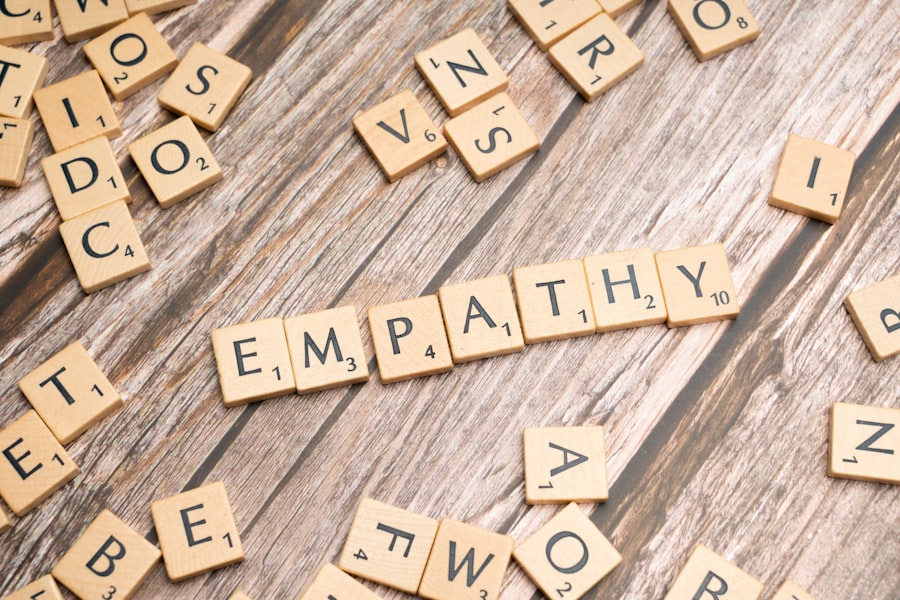
Empathy is a cornerstone of emotional intelligence, particularly in conflict situations. When conflicts arise, it’s essential to put yourself in the shoes of others involved. This means actively trying to understand their perspectives and feelings, which can help de-escalate tensions and pave the way for resolution. You might find that by acknowledging the emotions of others, even if you don’t agree with their viewpoint, you create an atmosphere of respect and understanding that encourages open dialogue.
Practicing empathy requires active engagement. Instead of simply listening to respond, focus on truly hearing what others are saying. You can ask clarifying questions or paraphrase their points to demonstrate that you are genuinely trying to understand their feelings. This approach not only helps to diffuse conflict but also builds stronger relationships over time. When people feel heard and validated, they are more likely to collaborate with you toward finding a solution that satisfies everyone involved.
Active Listening and Nonverbal Communication

Active listening is an essential skill that complements empathy in conflict resolution. It involves fully concentrating on what is being said rather than merely waiting for your turn to speak. When you practice active listening, you show others that their thoughts and feelings are important to you. This can be achieved by maintaining eye contact, nodding in acknowledgment, and providing verbal affirmations like “I see” or “I understand.” These small gestures can significantly enhance the quality of communication and foster a sense of trust.
Nonverbal communication also plays a vital role in how messages are conveyed and received. Your body language, facial expressions, and tone of voice can all impact how your words are interpreted. Being mindful of these nonverbal cues can help you communicate more effectively and avoid misunderstandings. For instance, if you’re discussing a sensitive topic, ensuring that your body language is open and approachable can encourage others to share their thoughts without fear of judgment. By mastering both active listening and nonverbal communication, you can create a more supportive environment where everyone feels comfortable expressing themselves.
Managing Conflict with Emotional Intelligence
| Metric | Description | Value/Score | Impact on Workplace Conflict |
|---|---|---|---|
| Self-Awareness | Ability to recognize one’s own emotions and their effect | 8.5/10 | Helps in identifying triggers and managing reactions during conflicts |
| Self-Regulation | Managing emotions to respond calmly and thoughtfully | 7.8/10 | Reduces impulsive reactions and escalations in disputes |
| Empathy | Understanding and sharing the feelings of others | 9.2/10 | Facilitates effective communication and resolution by acknowledging others’ perspectives |
| Social Skills | Ability to build relationships and manage social interactions | 8.0/10 | Enhances collaboration and conflict resolution through positive engagement |
| Conflict Resolution Rate | Percentage of workplace conflicts resolved through emotional intelligence techniques | 75% | Indicates effectiveness of EI in reducing workplace tension |
| Employee Satisfaction | Level of employee contentment post-conflict resolution | 85% | Reflects improved morale and trust after empathetic conflict management |
When conflicts arise in the workplace, managing them with emotional intelligence is key to finding constructive solutions. Instead of allowing emotions to escalate the situation, approach conflicts with a calm demeanor and a willingness to understand all perspectives involved. This might mean taking a step back to assess the situation before responding or seeking input from others who may have insights into the conflict. By doing so, you demonstrate that you value collaboration over confrontation.
Additionally, it’s important to remain solution-focused during conflicts. Rather than dwelling on the problem or assigning blame, guide the conversation toward potential resolutions. Encourage all parties to share their ideas for moving forward and work together to find common ground. This collaborative approach not only resolves the immediate issue but also strengthens relationships among team members by fostering a sense of unity and shared purpose.
Building Trust and Rapport in the Workplace
Trust and rapport are essential components of a healthy workplace environment. When colleagues trust one another, they are more likely to communicate openly and collaborate effectively. To build trust, it’s important to be consistent in your actions and follow through on commitments. When you say you will do something, make sure you do it; this reliability fosters confidence among your peers.
Additionally, take the time to get to know your colleagues on a personal level. Simple gestures like asking about their weekend or sharing a bit about yourself can go a long way in building rapport. When people feel connected on a personal level, they are more likely to support one another during challenging times. By prioritizing trust-building activities within your team, you create an environment where everyone feels safe to express their thoughts and emotions.
Using Emotional Intelligence to Resolve Disputes
Disputes are inevitable in any workplace setting; however, using emotional intelligence can transform these challenges into opportunities for growth and understanding. When faced with a dispute, approach it with an open mind and a willingness to listen to all sides involved. Acknowledge the emotions at play—both yours and those of others—and validate their feelings as legitimate concerns.
As you work through the dispute, focus on finding common ground rather than winning an argument. Encourage all parties to express their needs and desires openly while remaining respectful of differing opinions. By fostering an environment where everyone feels safe to share their thoughts, you increase the likelihood of reaching a resolution that satisfies everyone involved.
Recognizing and Addressing Emotional Triggers
Understanding your emotional triggers is an important aspect of emotional intelligence that can greatly enhance your interactions at work. Triggers are specific situations or behaviors that provoke strong emotional reactions within you—whether it’s frustration when someone interrupts you or anxiety when facing tight deadlines. By identifying these triggers, you can develop strategies to manage your responses more effectively.
Once you recognize what triggers certain emotions within you, take proactive steps to address them. This might involve practicing mindfulness techniques or developing coping mechanisms that allow you to remain calm in challenging situations. For instance, if you know that certain discussions tend to trigger anxiety for you, prepare yourself ahead of time by practicing relaxation techniques or reframing your mindset about the conversation. By addressing your emotional triggers head-on, you empower yourself to respond thoughtfully rather than react impulsively.
Cultivating a Positive and Supportive Work Environment
A positive work environment is essential for fostering emotional intelligence among team members. As someone who plays a role in shaping workplace culture, consider ways to promote positivity and support within your team. This could involve recognizing individual achievements publicly or encouraging team-building activities that strengthen relationships among colleagues.
Additionally, create opportunities for open dialogue where team members feel comfortable sharing their thoughts and concerns without fear of judgment. Regular check-ins or feedback sessions can help maintain this supportive atmosphere by allowing everyone to voice their opinions and contribute ideas for improvement. By cultivating positivity within your workplace culture, you not only enhance emotional intelligence but also boost overall morale and productivity.
Developing Empathy as a Leadership Skill
As a leader, developing empathy is crucial for effective management and team cohesion. Empathetic leaders are better equipped to understand the needs of their team members and respond appropriately during challenging times. To cultivate empathy as a leadership skill, make it a priority to connect with your team on an individual level—take time to learn about their strengths, challenges, and aspirations.
Moreover, model empathetic behavior by actively listening during one-on-one meetings or team discussions. Show genuine interest in their concerns and provide support when needed. By demonstrating empathy as a leader, you create an environment where team members feel valued and understood—this not only enhances morale but also encourages loyalty and commitment among employees.
Practicing Self-Care and Emotional Regulation in Conflict Situations
In high-stress situations or conflicts, practicing self-care becomes essential for maintaining emotional regulation. When tensions rise at work, it’s easy to become overwhelmed by emotions; however, taking time for self-care can help ground you during these moments. This might involve stepping away from the situation briefly to collect your thoughts or engaging in activities that promote relaxation—such as deep breathing exercises or taking a short walk.
Additionally, develop strategies for emotional regulation that work best for you personally—whether it’s journaling about your feelings after a challenging day or seeking support from trusted colleagues when needed. By prioritizing self-care and emotional regulation during conflict situations, you equip yourself with the tools necessary for navigating challenges effectively while maintaining your well-being.
In conclusion, emotional intelligence is an invaluable asset in today’s workplace landscape. By understanding its components—self-awareness, empathy, active listening—you can enhance not only your own professional development but also contribute positively to your organization’s culture as a whole. Through recognizing and managing emotions effectively while fostering trust among colleagues through empathy-driven interactions—you create an environment where collaboration thrives amidst challenges faced daily at work.