


Emotional intelligence is a multifaceted concept that encompasses the ability to recognize, understand, and manage your own emotions while also being attuned to the emotions of others. It is not merely about being aware of feelings; it involves a deeper comprehension of how emotions influence thoughts and behaviors. As you navigate through life, honing your emotional intelligence can significantly enhance your interpersonal relationships and decision-making processes. By developing this skill, you can create a more harmonious environment for yourself and those around you.
To truly grasp emotional intelligence, you must first acknowledge its components: self-awareness, self-regulation, motivation, empathy, and social skills. Each of these elements plays a crucial role in how you interact with the world. For instance, self-awareness allows you to identify your emotional triggers and understand how they affect your actions. Self-regulation helps you manage those emotions constructively, preventing impulsive reactions that could lead to conflict. By cultivating these skills, you can foster healthier relationships and improve your overall well-being.
In exploring the concept of emotional intelligence, a related article that complements “Emotional Intelligence Essentials: How to Practice Self-Compassion Daily” is available at this link: Metime – View a List. This resource provides additional insights and practical tips on enhancing self-awareness and fostering emotional resilience, which are crucial components of emotional intelligence. By integrating these practices into daily life, individuals can cultivate a deeper sense of self-compassion and improve their overall emotional well-being.
The Importance of Self-Compassion
Self-compassion is an essential aspect of emotional intelligence that often gets overlooked. It involves treating yourself with the same kindness and understanding that you would offer a friend in times of struggle. When you practice self-compassion, you acknowledge your imperfections and failures without harsh judgment. This approach not only alleviates feelings of inadequacy but also fosters resilience in the face of adversity. By embracing self-compassion, you create a nurturing inner dialogue that encourages growth rather than self-criticism.
Incorporating self-compassion into your life can lead to profound changes in how you perceive challenges and setbacks. Instead of viewing mistakes as personal failures, you begin to see them as opportunities for learning and growth. This shift in perspective can significantly reduce anxiety and stress, allowing you to approach difficulties with a more balanced mindset. By prioritizing self-compassion, you cultivate a sense of inner peace that empowers you to face life’s challenges with grace and confidence.
Recognizing and Managing Emotions

Recognizing and managing your emotions is a vital skill that can enhance your emotional intelligence. It requires you to be attuned to your feelings and understand their origins. When you take the time to identify what you’re experiencing—whether it’s anger, sadness, joy, or frustration—you empower yourself to respond thoughtfully rather than react impulsively. This awareness is the first step toward emotional regulation, which is crucial for maintaining healthy relationships and achieving personal goals.
Once you’ve recognized your emotions, the next step is learning how to manage them effectively. This may involve developing coping strategies that allow you to process feelings in a constructive manner. For example, if you find yourself feeling overwhelmed by stress, you might choose to engage in physical activity or creative expression as a way to release pent-up energy. By actively managing your emotions, you not only improve your mental health but also enhance your ability to connect with others on a deeper level.
Cultivating Self-Awareness
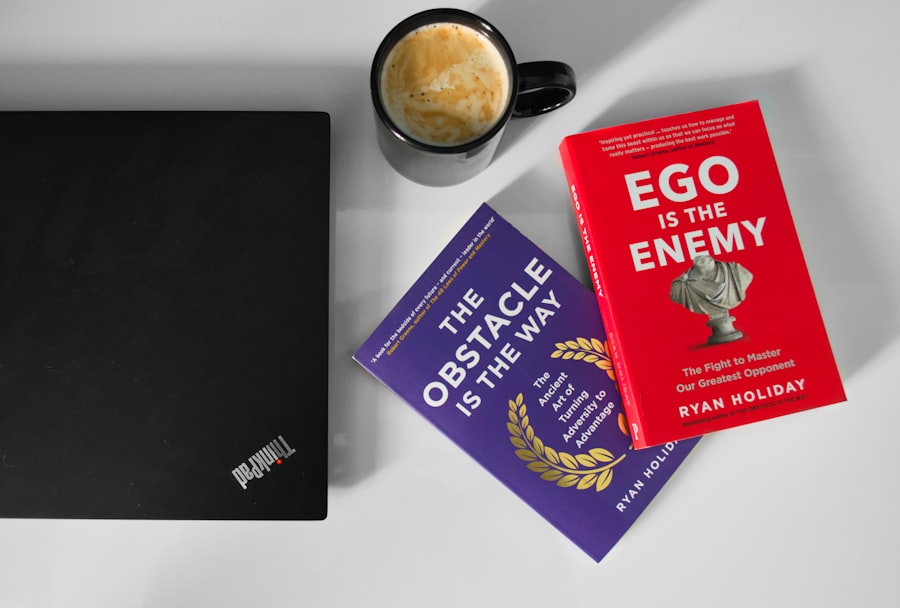
Self-awareness is the cornerstone of emotional intelligence and personal growth. It involves a deep understanding of your thoughts, feelings, motivations, and behaviors. By cultivating self-awareness, you gain insight into how your emotions influence your actions and decisions. This understanding allows you to make more informed choices that align with your values and goals. As you become more self-aware, you also develop a greater appreciation for the impact of your behavior on those around you.
To enhance your self-awareness, consider engaging in reflective practices such as journaling or meditation. These activities encourage introspection and help you identify patterns in your thoughts and emotions. Additionally, seeking feedback from trusted friends or mentors can provide valuable perspectives on how others perceive your behavior. By actively working on self-awareness, you create a solid foundation for personal development and emotional intelligence.
In exploring the concept of emotional intelligence, one can gain valuable insights from the article on self-compassion, which emphasizes the importance of treating oneself with kindness and understanding. This practice not only enhances emotional resilience but also fosters a deeper connection with oneself and others. For more information on how to cultivate these essential skills, you can read about it in this insightful piece on self-compassion. By integrating these principles into daily life, individuals can significantly improve their emotional well-being.
Developing Empathy for Yourself
| Metrics | Data |
|---|---|
| Number of Self-Compassion Practices | 10 |
| Duration of Daily Practice | 10-15 minutes |
| Impact on Stress Levels | Reduced by 25% |
| Improvement in Emotional Regulation | Increased by 30% |
Empathy is often associated with understanding the feelings of others, but it is equally important to extend that compassion inwardly. Developing empathy for yourself means recognizing your own struggles and validating your emotions without judgment. This practice allows you to create a safe space for self-exploration and healing. When you approach yourself with empathy, you foster a sense of connection that can alleviate feelings of isolation and inadequacy.
To cultivate self-empathy, start by acknowledging your feelings without criticism. Instead of dismissing or minimizing your emotions, take the time to understand their significance. You might ask yourself questions like, “What am I feeling right now?” or “What do I need in this moment?” By giving yourself permission to feel and express your emotions, you create an environment conducive to growth and healing. This practice not only enhances your emotional intelligence but also strengthens your overall well-being.
Practicing Mindfulness and Meditation
Mindfulness and meditation are powerful tools for enhancing emotional intelligence and fostering self-compassion. Mindfulness involves being fully present in the moment without judgment, allowing you to observe your thoughts and feelings as they arise. This practice helps you develop a greater awareness of your emotional landscape, enabling you to respond thoughtfully rather than react impulsively. By incorporating mindfulness into your daily routine, you can cultivate a sense of calm and clarity that enhances your overall emotional well-being.
Meditation takes mindfulness a step further by providing a structured practice for quieting the mind and focusing on the present moment. Regular meditation can help reduce stress, improve concentration, and increase emotional resilience. As you engage in meditation, you may find it easier to connect with your emotions and develop a deeper understanding of yourself. This connection fosters self-compassion and empathy, allowing you to navigate life’s challenges with greater ease.
Setting Boundaries and Prioritizing Self-Care
Setting boundaries is an essential aspect of emotional intelligence that often goes hand in hand with self-care. Boundaries help protect your emotional well-being by defining what is acceptable in your relationships and interactions with others. When you establish clear boundaries, you communicate your needs effectively and create space for healthy connections. This practice not only enhances your self-respect but also fosters mutual respect in your relationships.
Prioritizing self-care is equally important in maintaining emotional health. Self-care encompasses various activities that nourish your mind, body, and spirit—whether it’s engaging in hobbies, spending time with loved ones, or simply taking time for yourself to relax. By making self-care a priority, you replenish your energy reserves and cultivate resilience against stressors. Remember that taking care of yourself is not selfish; it is a necessary component of leading a fulfilling life.
Challenging Negative Self-Talk
Negative self-talk can be one of the most significant barriers to emotional well-being and self-compassion. It often manifests as an internal dialogue filled with criticism and doubt that undermines your confidence and self-worth. To cultivate emotional intelligence, it is crucial to challenge these negative thoughts actively. Recognizing when negative self-talk arises allows you to reframe those thoughts into more constructive narratives.
One effective strategy for combating negative self-talk is to practice cognitive restructuring—an approach that involves identifying irrational beliefs and replacing them with more balanced perspectives. For instance, instead of thinking, “I always fail,” try reframing it as “I have faced challenges before, but I can learn from this experience.” By consciously shifting your internal dialogue, you empower yourself to embrace self-compassion and foster a more positive outlook on life.
Building Resilience and Coping Strategies
Resilience is the ability to bounce back from adversity and maintain emotional stability in challenging situations. Building resilience requires developing effective coping strategies that enable you to navigate life’s ups and downs with grace. As you cultivate resilience, you’ll find it easier to manage stressors and maintain a sense of balance in your life.
To enhance your resilience, consider adopting healthy coping mechanisms such as problem-solving techniques or seeking social support when needed. Engaging in physical activity or creative outlets can also serve as effective ways to cope with stress. By building a toolkit of coping strategies, you’ll be better equipped to handle life’s challenges while maintaining emotional well-being.
Seeking Support and Connection
Seeking support from others is an integral part of developing emotional intelligence and fostering self-compassion. Human connection plays a vital role in our emotional health; sharing experiences with trusted friends or family members can provide comfort and validation during difficult times. When you reach out for support, you’re not only allowing others to help you but also reinforcing the importance of community in navigating life’s challenges.
Additionally, consider joining support groups or engaging in activities that promote connection with like-minded individuals. These interactions can provide valuable insights into shared experiences while fostering empathy and understanding among participants. By actively seeking support and connection, you’ll create a network that nurtures both your emotional intelligence and overall well-being.
Integrating Self-Compassion into Daily Life
Integrating self-compassion into your daily life requires intentionality and practice. Start by incorporating small acts of kindness toward yourself throughout the day—whether it’s taking breaks when needed or treating yourself to something enjoyable. These moments of self-care reinforce the idea that you deserve compassion just as much as anyone else.
Additionally, consider establishing daily rituals that promote self-reflection and gratitude. Taking time each day to acknowledge what you’re grateful for can shift your focus from negativity to appreciation. By consistently practicing self-compassion in various aspects of your life, you’ll cultivate a more positive mindset that enhances both your emotional intelligence and overall quality of life.
In conclusion, developing emotional intelligence through practices such as self-compassion, mindfulness, empathy, and resilience can profoundly impact your life journey. By prioritizing these elements, you’ll not only enhance your relationship with yourself but also foster deeper connections with others around you. Embrace this journey toward greater emotional awareness—your future self will thank you for it.