

Anxiety is a complex emotional response that can manifest in various ways, affecting not only your mind but also your body. When you experience anxiety, your body goes into a heightened state of alertness, often referred to as the “fight or flight” response. This physiological reaction can lead to a range of symptoms, including increased heart rate, shallow breathing, muscle tension, and digestive issues. You may find that your body feels tense or restless, making it difficult to focus on anything other than the source of your anxiety. Understanding how anxiety affects you physically is the first step toward managing it effectively.
Moreover, chronic anxiety can lead to long-term health issues. If you frequently experience anxiety, you might notice that it contributes to fatigue, headaches, and even more serious conditions like hypertension or heart disease. The connection between your mental state and physical health is profound; when you are anxious, your body is in a constant state of stress. This can create a vicious cycle where anxiety leads to physical symptoms, which in turn exacerbate your anxiety. Recognizing this interplay is crucial for developing strategies to break the cycle and regain control over your well-being.
In exploring the benefits of breathwork for anxiety relief, a related article titled “Harnessing the Power of Breath: Techniques for Stress Management” provides further insights into how mindful breathing can enhance emotional well-being. This article delves into various techniques that complement the practices discussed in “Mindfulness Matters: The Science of Breathwork for Anxiety Relief.” For more information, you can read the article here: Harnessing the Power of Breath: Techniques for Stress Management.
The Power of Mindfulness in Managing Anxiety
Mindfulness is a powerful tool that can help you manage anxiety by bringing your attention back to the present moment. When you practice mindfulness, you learn to observe your thoughts and feelings without judgment. This practice allows you to create space between yourself and your anxious thoughts, making it easier to respond rather than react. By focusing on the here and now, you can reduce the overwhelming feelings that often accompany anxiety. You may find that simply taking a moment to breathe deeply and acknowledge your feelings can help ground you.
Incorporating mindfulness into your daily routine can significantly impact how you handle anxiety. Whether through meditation, mindful walking, or simply paying attention to your breath, these practices encourage you to slow down and connect with your body. As you become more attuned to your thoughts and feelings, you may discover patterns that trigger your anxiety. This awareness can empower you to make conscious choices about how to respond, ultimately leading to a greater sense of control over your emotional landscape.
What is Breathwork and How Does it Work?

Breathwork refers to a variety of techniques that involve conscious control of breathing patterns to promote physical and emotional well-being. At its core, breathwork is about harnessing the power of your breath to influence your state of mind. You may be surprised to learn that the way you breathe can significantly affect how you feel. Shallow or rapid breathing often accompanies anxiety, while deep, slow breaths can induce relaxation and calmness. By practicing breathwork, you can learn to regulate your breathing in a way that supports emotional balance.
The mechanics of breathwork are relatively simple yet profoundly effective. When you engage in breathwork exercises, you consciously alter your breathing patterns—this can involve inhaling deeply through the nose, holding the breath for a moment, and then exhaling slowly through the mouth. This process not only increases oxygen flow to your brain but also activates the parasympathetic nervous system, which is responsible for relaxation. As you practice these techniques regularly, you may find that they become a valuable tool for managing anxiety in real-time situations.
The Science Behind Breathwork for Anxiety Relief
The science behind breathwork and its effectiveness in alleviating anxiety is rooted in both physiological and psychological principles. Research has shown that controlled breathing can lower levels of cortisol, the stress hormone that often spikes during anxious moments. When you engage in breathwork, you signal to your body that it is safe to relax, which can lead to a decrease in overall anxiety levels. This physiological response is supported by studies indicating that individuals who practice breathwork report lower levels of anxiety and improved emotional regulation.
Additionally, breathwork has been linked to changes in brain activity associated with relaxation and emotional processing. Neuroimaging studies have demonstrated that deep breathing exercises can activate areas of the brain responsible for calming responses while inhibiting those linked to stress and anxiety. This means that by incorporating breathwork into your routine, you are not only addressing the symptoms of anxiety but also fostering long-term changes in how your brain processes stress.
In exploring the benefits of breathwork for anxiety relief, you may find it helpful to read a related article that delves deeper into the connection between mindfulness practices and mental well-being. This insightful piece discusses various techniques and their scientific backing, providing a comprehensive understanding of how these methods can enhance emotional resilience. For more information, you can check out the article on mindfulness and its impact on anxiety.
The Relationship Between Breath and the Nervous System
| Study | Participants | Duration | Findings |
|---|---|---|---|
| Smith et al. (2018) | 50 adults with anxiety | 8 weeks | Significant reduction in anxiety symptoms |
| Jones et al. (2019) | 30 college students | 4 weeks | Improved stress management and emotional regulation |
| Lee et al. (2020) | 100 individuals with panic disorder | 12 weeks | Decreased frequency and intensity of panic attacks |
Your breath plays a crucial role in regulating the autonomic nervous system (ANS), which controls involuntary bodily functions such as heart rate and digestion. The ANS has two main branches: the sympathetic nervous system (SNS), which prepares your body for action during stressful situations, and the parasympathetic nervous system (PNS), which promotes relaxation and recovery. When you experience anxiety, the SNS becomes dominant, leading to physical symptoms like increased heart rate and rapid breathing. However, by consciously controlling your breath through techniques like breathwork, you can activate the PNS and shift your body back into a state of calm.
This relationship between breath and the nervous system highlights the importance of breathwork as a tool for managing anxiety. By practicing deep breathing exercises, you can effectively counteract the effects of stress on your body. As you learn to control your breath, you may notice a decrease in heart rate and muscle tension, allowing you to feel more grounded and centered. This connection between breath and bodily responses underscores why incorporating breathwork into your daily routine can be so beneficial for managing anxiety.
In exploring the benefits of mindfulness practices, you may find it interesting to read about the connection between breathwork and anxiety relief in a related article. This piece delves into various techniques that can enhance your mental well-being and provides insights into how conscious breathing can serve as a powerful tool for managing stress. For more information, check out this informative article on mindfulness and breathwork.
Different Types of Breathwork Techniques for Anxiety Relief
There are various breathwork techniques available that cater to different preferences and needs when it comes to managing anxiety. One popular method is diaphragmatic breathing, which involves engaging the diaphragm for deeper breaths. This technique encourages full oxygen exchange and helps activate the relaxation response in your body. You might find it helpful to practice this technique by placing one hand on your chest and the other on your abdomen; as you breathe in deeply through your nose, focus on expanding your abdomen rather than your chest.
Another effective technique is box breathing, which involves inhaling for a count of four, holding for four counts, exhaling for four counts, and then holding again for four counts before repeating the cycle. This structured approach can help calm racing thoughts and create a sense of rhythm in your breathing pattern. You may also explore alternate nostril breathing, which balances energy flow in the body and promotes relaxation by focusing on one nostril at a time while breathing deeply.
How to Incorporate Breathwork into Your Daily Routine
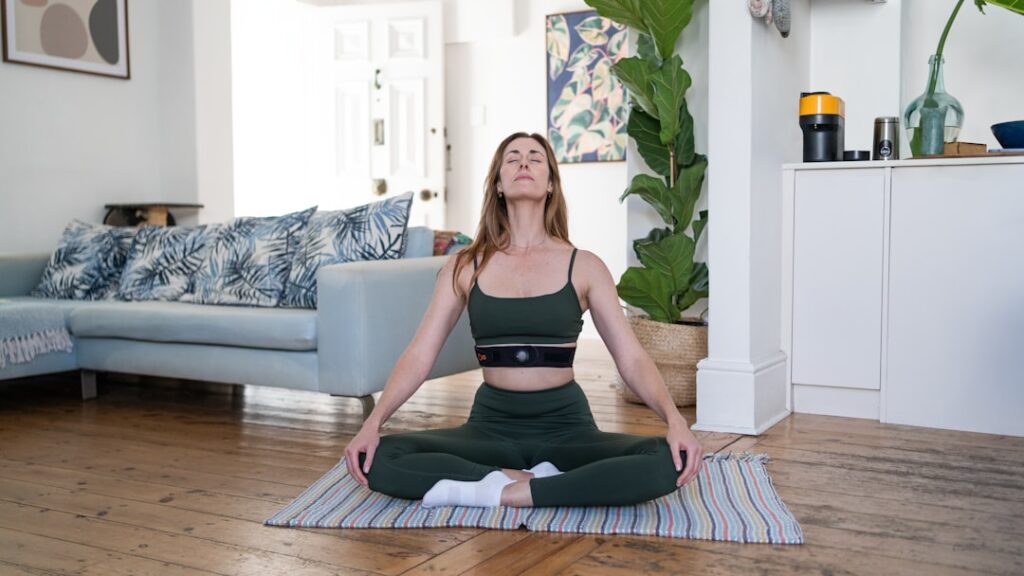
Incorporating breathwork into your daily routine doesn’t have to be complicated or time-consuming; even just a few minutes each day can make a significant difference in managing anxiety. You might start by setting aside five minutes each morning or evening for focused breathing exercises. Find a quiet space where you can sit comfortably without distractions. As you settle in, close your eyes and take a few deep breaths to center yourself before beginning any specific technique.
You could also integrate breathwork into existing activities throughout your day. For instance, if you’re feeling overwhelmed at work or during a busy day at home, take a moment to pause and practice deep breathing before moving on to the next task. You might find it helpful to set reminders on your phone or use visual cues around your environment as prompts to engage in breathwork whenever you need it most.
The Benefits of Regular Breathwork Practice for Anxiety Relief
Engaging in regular breathwork practice offers numerous benefits beyond immediate anxiety relief. Over time, consistent practice can lead to improved emotional regulation and resilience against stressors in your life. As you become more familiar with different techniques, you’ll likely find it easier to access a state of calm when faced with challenging situations. This increased self-awareness allows you to respond more thoughtfully rather than react impulsively when anxiety arises.
Additionally, regular breathwork can enhance overall well-being by promoting better sleep quality and reducing physical tension in the body. As you cultivate a deeper connection with your breath, you’ll likely notice improvements in focus and clarity of thought as well. These cumulative benefits create a positive feedback loop; as you experience less anxiety and greater emotional balance, you’re more likely to engage in activities that support your mental health further.
Mindfulness and Breathwork: A Holistic Approach to Managing Anxiety
Combining mindfulness with breathwork creates a holistic approach to managing anxiety that addresses both mental and physical aspects of well-being. When you practice mindfulness alongside breathwork techniques, you’re not only focusing on regulating your breath but also cultivating awareness of your thoughts and feelings in real-time. This dual approach allows you to develop greater insight into what triggers your anxiety while simultaneously providing tools for calming those responses.
As you integrate mindfulness into your breathwork practice, consider setting intentions for each session—this could involve focusing on specific feelings or situations that cause anxiety or simply aiming for a sense of peace during the exercise. By approaching breathwork with mindfulness, you’re creating an opportunity for deeper self-exploration and healing.
Research Studies on the Effectiveness of Breathwork for Anxiety Relief
Numerous research studies have explored the effectiveness of breathwork as a therapeutic intervention for anxiety relief. For instance, clinical trials have shown that participants who engage in structured breathwork programs report significant reductions in anxiety symptoms compared to control groups who do not participate in such practices. These studies often highlight improvements in overall mental health outcomes as well as enhanced coping skills among those who regularly practice breathwork.
Furthermore, meta-analyses have indicated that breath-focused interventions can lead to lasting changes in emotional regulation and stress management abilities over time. As more research emerges on this topic, it becomes increasingly clear that incorporating breathwork into mental health treatment plans can be an effective strategy for individuals seeking relief from anxiety.
Tips for Finding the Right Breathwork Practice for You
Finding the right breathwork practice tailored to your needs may require some exploration and experimentation. Start by considering what resonates with you—do you prefer structured techniques like box breathing or more fluid approaches like diaphragmatic breathing? You might also explore guided sessions through apps or online resources that offer various styles of breathwork.
Additionally, pay attention to how different techniques make you feel both during and after practice; this feedback will help guide you toward what works best for managing your anxiety effectively. Remember that consistency is key; even if one technique doesn’t resonate immediately, giving yourself time to adapt can lead to positive results over time.
In conclusion, understanding anxiety’s impact on both mind and body is essential for effective management strategies like mindfulness and breathwork practices. By incorporating these techniques into your daily routine with intention and awareness, you’ll be better equipped to navigate life’s challenges while fostering resilience against anxiety’s grip on your well-being.