

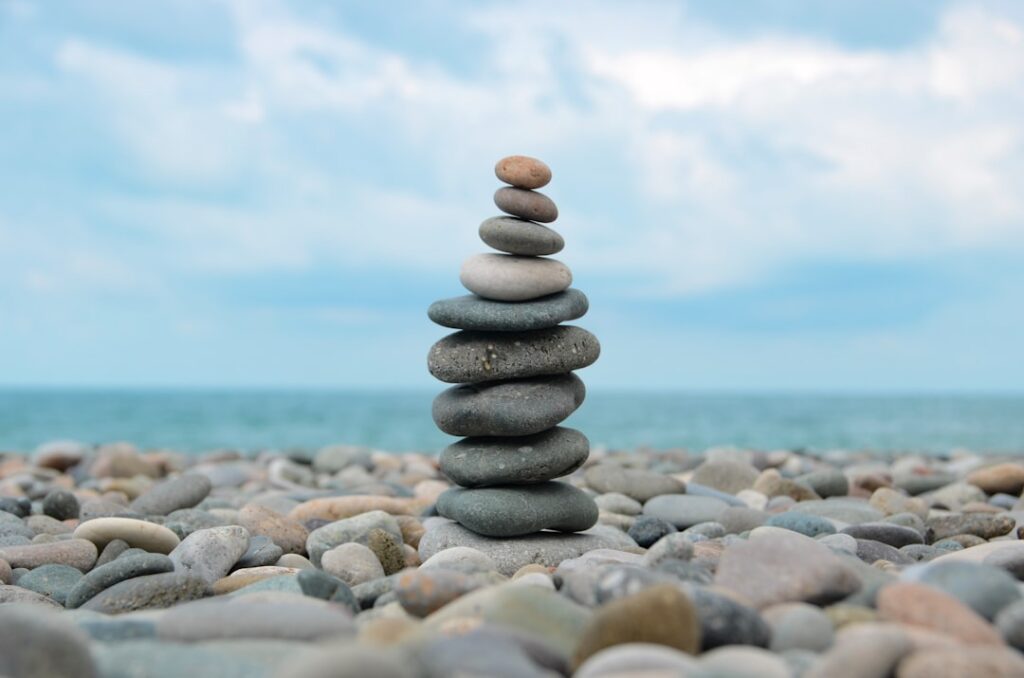
In today’s fast-paced world, the concept of mindfulness has emerged as a beacon of hope for many seeking tranquility amidst chaos. You may find yourself overwhelmed by the demands of daily life, juggling responsibilities, and constantly racing against the clock. This is where daily meditation comes into play, offering a sanctuary for your mind and spirit. By dedicating just a few moments each day to mindfulness practices, you can cultivate a sense of calm that permeates your entire being. The benefits of daily meditation extend far beyond mere relaxation; they encompass emotional resilience, improved focus, and a deeper connection to yourself and those around you.
As you embark on this journey of mindfulness, you will discover that meditation is not merely a practice but a way of life. It invites you to pause, breathe, and reconnect with the present moment. Through consistent practice, you can learn to navigate the ups and downs of life with grace and ease. The beauty of meditation lies in its accessibility; it requires no special equipment or extensive training. All you need is a willingness to explore your inner landscape and a commitment to nurturing your well-being. In the following sections, you will delve into various meditation techniques that can seamlessly integrate into your daily routine, enhancing your overall quality of life.
If you’re looking to deepen your mindfulness practice, you might find the article “Mindfulness Matters: 5-Minute Meditations for Daily Calm” particularly helpful. It offers practical techniques to incorporate short meditative moments into your busy day. For additional resources and tools to enhance your mindfulness journey, check out this related article on digital products that can support your practice: Metime Digital Products.
Understanding the Power of 5-Minute Meditations for Daily Calm
You might be surprised to learn that even a brief five-minute meditation can have profound effects on your mental state. In a world that often glorifies busyness, taking just five minutes for yourself can feel revolutionary. These short bursts of mindfulness allow you to step away from the noise and distractions that surround you, creating a pocket of peace in your day. During these moments, you can ground yourself, focus on your breath, and cultivate a sense of calm that can carry you through the rest of your day.
The beauty of 5-minute meditations lies in their simplicity and flexibility. You can practice them anywhere—whether you’re at home, in your office, or even during your commute. This adaptability makes it easier for you to incorporate mindfulness into your daily life without feeling overwhelmed by time constraints. As you begin to experience the benefits of these brief sessions, you may find yourself looking forward to them as essential breaks that rejuvenate your mind and spirit. Over time, these small moments can accumulate, leading to significant shifts in your overall well-being.
Setting the Scene: Creating a Comfortable and Quiet Space for Meditation

To fully embrace the practice of meditation, it’s essential to create an environment that fosters relaxation and focus. You may want to designate a specific area in your home as your meditation space—a corner of a room or even a cozy nook where you feel at ease. Consider adding elements that resonate with you personally, such as soft cushions, calming colors, or soothing scents like lavender or sandalwood. This space should be a sanctuary where you can retreat from the outside world and immerse yourself in your practice.
In addition to physical comfort, it’s important to minimize distractions during your meditation sessions. You might choose to turn off your phone or put it on silent mode to avoid interruptions. If possible, select a time when your surroundings are quiet—early mornings or late evenings often provide the stillness needed for deeper reflection. By intentionally crafting this space and time for yourself, you signal to your mind that it’s time to slow down and engage in self-care. This ritual can enhance your meditation experience, allowing you to dive deeper into mindfulness.
Breathing Techniques for Relaxation and Stress Reduction
Breathing is one of the most fundamental aspects of meditation, serving as both an anchor and a tool for relaxation. You may find that focusing on your breath helps quiet the chatter in your mind and brings you back to the present moment. One effective technique is the deep belly breath, where you inhale deeply through your nose, allowing your abdomen to expand fully before exhaling slowly through your mouth. This practice not only calms your nervous system but also increases oxygen flow throughout your body, promoting a sense of vitality.
Another powerful breathing technique is the 4-7-8 method, which involves inhaling for four counts, holding the breath for seven counts, and exhaling for eight counts. This rhythmic pattern can help reduce anxiety and create a sense of balance within you. As you practice these techniques regularly, you may notice that they become second nature, allowing you to tap into relaxation even in stressful situations. By harnessing the power of your breath, you can cultivate a profound sense of calm that supports your overall well-being.
In addition to exploring the benefits of quick mindfulness practices in “Mindfulness Matters: 5-Minute Meditations for Daily Calm,” you may find it helpful to read about effective ways to incorporate mindfulness into your daily routine. A related article discusses practical tips for creating a peaceful environment that enhances your meditation experience. You can check it out for more insights on how to cultivate tranquility in your life by visiting this link.
Body Scan Meditation: Cultivating Awareness and Relaxation
| Chapter | Topic | Duration |
|---|---|---|
| 1 | Introduction to Mindfulness | 5 minutes |
| 2 | Body Scan Meditation | 5 minutes |
| 3 | Loving-Kindness Meditation | 5 minutes |
| 4 | Breath Awareness Meditation | 5 minutes |
| 5 | Walking Meditation | 5 minutes |
Body scan meditation is an excellent technique for developing awareness and promoting relaxation throughout your entire being. As you lie down or sit comfortably, you can begin by bringing your attention to different parts of your body, starting from your toes and gradually moving up to the crown of your head. This practice encourages you to notice any sensations or tension without judgment, fostering a deeper connection with yourself.
As you progress through each body part, take a moment to breathe into areas where you feel tightness or discomfort. Visualize each breath as a wave of relaxation washing over you, releasing tension and inviting peace into those spaces. This technique not only enhances physical awareness but also encourages emotional release, allowing you to let go of stress and anxiety that may have accumulated over time. By incorporating body scan meditation into your routine, you can cultivate a greater sense of presence and well-being.
Loving-Kindness Meditation: Fostering Compassion and Connection
Loving-kindness meditation is a beautiful practice that invites you to cultivate compassion for yourself and others. You may begin by silently repeating phrases such as “May I be happy,” “May I be healthy,” or “May I be at peace.” As you direct these sentiments toward yourself, allow feelings of warmth and kindness to fill your heart. This practice not only nurtures self-love but also creates a foundation for extending compassion toward others.
Once you feel comfortable sending loving-kindness to yourself, gradually expand this intention to include loved ones, acquaintances, and even those with whom you may have difficulties. By doing so, you foster a sense of connection that transcends boundaries and promotes empathy in your relationships. As you engage in loving-kindness meditation regularly, you may notice shifts in how you perceive others and respond to challenges in your life. This practice serves as a reminder that compassion begins within and radiates outward.
Mindful Walking: Finding Peace and Presence in Movement
Mindful walking is an excellent way to incorporate movement into your mindfulness practice while still cultivating awareness and presence. You might choose to take a leisurely stroll in nature or simply walk around your home or office with intention. As you walk, focus on the sensations in your feet as they connect with the ground beneath you—the feeling of each step, the rhythm of your breath, and the sights and sounds around you.
This practice encourages you to engage fully with the present moment rather than getting lost in thoughts about the past or future. You may find that mindful walking allows for a unique form of meditation that combines physical activity with mental clarity. As you immerse yourself in this experience, notice how it enhances your mood and fosters a sense of peace within you. By integrating mindful walking into your routine, you create opportunities for mindfulness throughout your day.
Gratitude Meditation: Cultivating a Positive Mindset and Appreciation
Gratitude meditation is a powerful tool for shifting your perspective and cultivating a positive mindset. You may begin by reflecting on three things for which you are grateful—these could be simple joys like a warm cup of tea or more significant aspects such as supportive relationships or personal achievements. As you focus on these blessings, allow feelings of appreciation to wash over you.
This practice not only enhances your mood but also rewires your brain to recognize positivity in everyday life. By regularly engaging in gratitude meditation, you may find that it becomes easier to navigate challenges with resilience and optimism. Over time, this shift in perspective can lead to greater overall happiness and fulfillment as you learn to appreciate the beauty in both big moments and small details.
Overcoming Common Challenges in Meditation and Maintaining Consistency
As with any new practice, challenges may arise as you embark on your meditation journey. You might find it difficult to quiet your mind or struggle with feelings of restlessness during sessions. It’s important to remember that these experiences are normal; even seasoned meditators encounter distractions from time to time. Instead of becoming frustrated with yourself, approach these moments with curiosity and compassion.
To maintain consistency in your practice, consider setting realistic goals for yourself—perhaps starting with just five minutes each day before gradually increasing the duration as it feels comfortable. You may also want to explore different techniques until you find what resonates most with you; this exploration can keep your practice fresh and engaging. By acknowledging challenges as part of the process rather than obstacles, you’ll cultivate resilience and deepen your commitment to mindfulness.
Incorporating 5-Minute Meditations into Your Daily Routine
Integrating 5-minute meditations into your daily routine doesn’t have to be complicated; it simply requires intention and planning. You might choose specific times during the day when meditation feels most beneficial—perhaps first thing in the morning to set a positive tone for the day ahead or during lunch breaks as a way to recharge before tackling afternoon tasks. By establishing these habits early on, you’ll create natural opportunities for mindfulness throughout your day.
You could also consider pairing meditation with existing routines—such as practicing mindful breathing while waiting for coffee to brew or engaging in gratitude reflections before bedtime. These small adjustments can make it easier for mindfulness practices to become woven into the fabric of your daily life without feeling burdensome or overwhelming.
Embracing Mindfulness as a Path to Daily Calm and Well-Being
As you explore the various facets of mindfulness through daily meditation practices, you’ll likely discover profound shifts within yourself—both mentally and emotionally. Embracing mindfulness offers an opportunity not only for personal growth but also for cultivating deeper connections with those around you. By dedicating just five minutes each day to these practices, you’re investing in your well-being and nurturing resilience against life’s challenges.
Ultimately, mindfulness is about embracing each moment with awareness and compassion—allowing yourself space to breathe amidst chaos while fostering gratitude for life’s simple pleasures. As you continue on this journey toward daily calmness through meditation, remember that every small step counts; each moment spent in mindfulness contributes significantly toward creating lasting change within yourself and enhancing overall well-being.