

Embarking on a journey of personal growth is akin to navigating a vast landscape filled with diverse pathways. Each route you choose can lead to different experiences, insights, and transformations. Understanding these pathways is crucial for you to effectively chart your course. Personal growth is not a one-size-fits-all endeavor; it is a deeply individual process that requires introspection and self-awareness. As you explore various avenues for growth, you may find that some resonate more with your unique personality and life circumstances than others.
To truly grasp the concept of personal growth pathways, you must first recognize that growth is not linear. It often involves twists, turns, and unexpected detours. You may encounter challenges that test your resolve, but these obstacles can also serve as valuable learning experiences. By embracing the idea that growth can take many forms, you open yourself up to a broader range of possibilities. Whether through formal education, self-directed learning, or experiential opportunities, each pathway offers its own set of lessons that contribute to your overall development.
For those interested in exploring more about personal development and creating a roadmap for their future, a related article can be found at MeTime: Digital Products. This resource offers a variety of tools and insights that can complement your journey in designing your vision for the future, helping you to cultivate the skills and mindset necessary for personal growth.
Identifying Your Values and Beliefs
At the core of your personal growth journey lies a fundamental understanding of your values and beliefs. These guiding principles shape your decisions, influence your behavior, and ultimately define who you are. To identify your values, take time to reflect on what truly matters to you. Consider the moments in your life when you felt most fulfilled or proud; these instances often reveal the values that resonate deeply within you. Are you driven by a desire for creativity, community, or perhaps a commitment to integrity? Recognizing these values will serve as a compass as you navigate your growth journey.
Your beliefs also play a significant role in shaping your identity and influencing your actions. They are the assumptions you hold about yourself and the world around you. Some beliefs may empower you, while others could limit your potential. It’s essential to examine these beliefs critically. Are they based on facts or merely perceptions? By challenging limiting beliefs and replacing them with empowering ones, you create a fertile ground for personal growth. This process of self-discovery will not only clarify your values but also help you align your actions with what truly matters to you.
Setting Clear and Achievable Goals
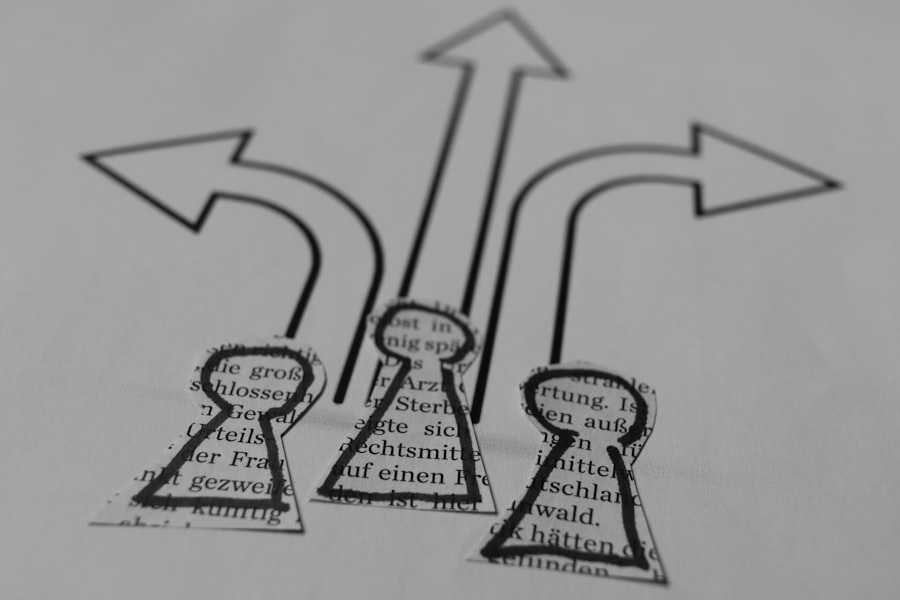
Once you have a firm grasp of your values and beliefs, the next step in your personal growth journey is setting clear and achievable goals. Goals act as milestones that guide your progress and provide direction. When setting goals, it’s important to ensure they are specific, measurable, attainable, relevant, and time-bound (SMART). This framework helps you break down larger aspirations into manageable steps, making the journey less overwhelming and more structured.
As you set your goals, consider both short-term and long-term objectives. Short-term goals can provide immediate motivation and a sense of accomplishment, while long-term goals offer a broader vision for your future. For instance, if one of your long-term goals is to advance in your career, short-term goals might include acquiring new skills or networking with industry professionals. By creating a roadmap that outlines both immediate and future aspirations, you empower yourself to take actionable steps toward achieving your dreams.
Cultivating a Growth Mindset

A growth mindset is essential for anyone seeking personal development. This concept, popularized by psychologist Carol Dweck, emphasizes the belief that abilities and intelligence can be developed through dedication and hard work. Adopting a growth mindset allows you to view challenges as opportunities for learning rather than insurmountable obstacles. When faced with setbacks or failures, instead of feeling defeated, you can approach these experiences with curiosity and resilience.
To cultivate a growth mindset, start by reframing negative self-talk into positive affirmations. For example, instead of saying, “I can’t do this,” try telling yourself, “I can learn how to do this.” Surrounding yourself with supportive individuals who encourage growth can also reinforce this mindset. Engage in discussions that challenge your thinking and expose you to new ideas. By fostering an environment that values learning and improvement, you create a fertile ground for personal growth to flourish.
In exploring the concept of personal growth, you may find it beneficial to read a related article that delves into various strategies for self-improvement and goal setting. This insightful piece offers practical tips and inspiration to help you navigate your journey toward realizing your aspirations. For more information, you can check out this article on personal development, which complements the ideas presented in “Personal Growth Pathways: Designing Your Vision for the Future.”
Embracing Change and Adaptability
| Metrics | 2019 | 2020 | 2021 |
|---|---|---|---|
| Number of Participants | 150 | 200 | 250 |
| Participant Satisfaction Rate | 85% | 90% | 95% |
| Number of Workshops | 10 | 15 | 20 |
| Retention Rate | 80% | 85% | 90% |
Change is an inevitable part of life, and embracing it is crucial for personal growth. The ability to adapt to new circumstances not only enhances your resilience but also opens doors to new opportunities. When you resist change, you may find yourself stuck in familiar patterns that hinder your progress. Instead, view change as an invitation to explore uncharted territories in your life. This shift in perspective can transform anxiety about the unknown into excitement for new possibilities.
To become more adaptable, practice stepping outside of your comfort zone regularly. This could involve trying new activities, meeting new people, or even altering your daily routines. Each small step outside of familiarity builds your confidence in handling change. Additionally, cultivating mindfulness can help you stay grounded during times of transition. By being present in the moment and acknowledging your feelings about change without judgment, you can navigate life’s uncertainties with greater ease.
Building Resilience and Overcoming Setbacks
Resilience is the ability to bounce back from adversity, and it is a vital skill for anyone on a personal growth journey. Life will inevitably present challenges that test your strength and determination. However, building resilience equips you with the tools needed to face these difficulties head-on. One effective way to enhance your resilience is by developing a strong support network of friends, family, or mentors who can provide encouragement during tough times.
When setbacks occur—and they will—view them as opportunities for growth rather than failures. Reflect on what went wrong and what lessons can be learned from the experience. This reflective practice not only fosters resilience but also encourages a proactive approach to problem-solving. By reframing setbacks as stepping stones rather than stumbling blocks, you empower yourself to keep moving forward on your path of personal development.
Developing Emotional Intelligence
Emotional intelligence (EI) is the ability to recognize, understand, and manage your emotions as well as those of others. Developing EI is crucial for personal growth because it enhances your interpersonal skills and fosters deeper connections with others. Start by becoming more aware of your emotional responses in various situations. Journaling can be an effective tool for tracking your feelings and identifying patterns in your emotional reactions.
In addition to self-awareness, empathy plays a significant role in emotional intelligence. Practice active listening when engaging with others; this means fully concentrating on what someone is saying rather than merely waiting for your turn to speak. By validating others’ feelings and perspectives, you not only strengthen relationships but also enhance your own emotional understanding. As you cultivate emotional intelligence, you’ll find that it positively impacts both your personal and professional interactions.
Fostering Positive Relationships and Networks
The relationships you cultivate significantly influence your personal growth journey. Surrounding yourself with positive influences can inspire motivation and provide support during challenging times. Take time to evaluate the relationships in your life; are they uplifting or draining? Seek out individuals who share similar values and aspirations, as these connections can foster collaboration and mutual encouragement.
Networking is another essential aspect of building positive relationships. Attend workshops, seminars, or community events related to your interests or goals. Engaging with like-minded individuals not only expands your social circle but also opens doors to new opportunities for collaboration and learning. Remember that building relationships takes time; invest in nurturing these connections by being genuine and supportive.
Nurturing Self-Compassion and Self-Care
Self-compassion is an essential component of personal growth that often gets overlooked in the pursuit of achievement. It involves treating yourself with kindness and understanding during difficult times rather than being overly critical or harsh. When setbacks occur or when you feel inadequate, practice self-compassion by acknowledging that everyone faces challenges and that it’s okay to struggle sometimes.
In tandem with self-compassion is the practice of self-care. Prioritizing self-care means recognizing your physical, emotional, and mental needs and taking steps to address them regularly. This could involve setting aside time for relaxation, engaging in hobbies that bring joy, or ensuring adequate rest and nutrition. By nurturing yourself holistically, you create a solid foundation from which personal growth can flourish.
Seeking Continuous Learning and Development
The pursuit of knowledge is a lifelong journey that fuels personal growth. Embrace the idea that learning doesn’t stop after formal education; it continues throughout life in various forms—through books, online courses, workshops, or even conversations with others. Cultivating curiosity about the world around you will keep your mind engaged and open to new ideas.
Set aside time each week dedicated to learning something new or deepening existing knowledge in areas that interest you. This could involve reading articles related to your field or exploring entirely new subjects outside of your expertise. By actively seeking opportunities for continuous learning, you not only expand your skill set but also enhance your adaptability in an ever-changing world.
Creating a Vision for the Future
Finally, creating a vision for the future is an integral part of personal growth that ties together all the previous elements discussed. A clear vision provides direction and purpose as you navigate through life’s complexities. Take time to envision where you see yourself in five or ten years—what do you want to achieve? What kind of person do you aspire to be? Write down this vision in detail; visualize not just the end goal but also the steps required to get there.
Once you have articulated this vision, use it as a guiding star for decision-making in your daily life. Regularly revisit and revise this vision as needed; personal growth is dynamic, and so too should be your aspirations. By maintaining clarity about where you want to go while remaining open to new experiences along the way, you empower yourself to create a fulfilling future aligned with your values and goals.
In conclusion, personal growth is an ongoing journey filled with opportunities for self-discovery and transformation. By understanding pathways for growth, identifying values and beliefs, setting achievable goals, cultivating resilience, developing emotional intelligence, fostering positive relationships, nurturing self-compassion, seeking continuous learning, and creating a vision for the future, you equip yourself with the tools necessary for meaningful development throughout life’s journey.