


Investing in your future self is not merely a financial decision; it is a commitment to your own well-being and aspirations. When you choose to invest, you are essentially planting seeds for your future, allowing them to grow into opportunities that can enhance your quality of life. This proactive approach empowers you to take control of your financial destiny, ensuring that you are not just surviving but thriving in the years to come. By prioritizing your future self, you create a safety net that can provide security during unforeseen circumstances, such as job loss or medical emergencies.
Moreover, investing in yourself goes beyond monetary gains. It encompasses personal growth, education, and experiences that enrich your life. When you allocate resources towards learning new skills or pursuing passions, you are investing in a more fulfilling life. This holistic view of investment encourages you to think long-term, fostering a mindset that values patience and perseverance. As you embark on this journey, remember that every small step you take today can lead to significant rewards tomorrow.
In the pursuit of financial independence, understanding the importance of investing in your future self is crucial. A related article that delves deeper into this topic is available at Me Time: My Ticket to Financial Freedom, which offers valuable insights and practical tips on how to effectively allocate resources for long-term benefits. By exploring various investment strategies and personal finance techniques, this article complements the themes discussed in “Financial Freedom Focus: Investing in Your Future Self,” helping readers to make informed decisions that pave the way for a secure financial future.
Setting Clear Financial Goals for Long-Term Success
To effectively invest in your future self, it is crucial to establish clear financial goals. These goals serve as a roadmap, guiding your decisions and actions as you navigate the complex world of investing. Start by identifying what you want to achieve in the short, medium, and long term. Whether it’s saving for a home, funding your children’s education, or preparing for retirement, having specific targets will help you stay focused and motivated.
Once you have defined your goals, break them down into actionable steps. For instance, if your aim is to save for retirement, determine how much you need to set aside each month to reach that target by a certain age. This clarity not only makes the process less overwhelming but also allows you to track your progress over time. By regularly reviewing and adjusting your goals as needed, you can ensure that they remain relevant and achievable, keeping you on the path to long-term success.
Identifying Investment Opportunities that Align with Your Values and Goals

As you embark on your investment journey, it is essential to identify opportunities that resonate with your personal values and financial objectives. This alignment ensures that your investments reflect who you are and what you stand for, making the process more meaningful. Start by considering what matters most to you—be it sustainability, social responsibility, or supporting local businesses. By focusing on investments that align with your values, you can create a portfolio that not only seeks financial returns but also contributes positively to society.
Research various investment options available in the market, such as socially responsible funds or green technologies. These avenues allow you to support causes you believe in while potentially reaping financial rewards. Additionally, consider diversifying your investments across different sectors that align with your interests. This approach not only mitigates risk but also enhances your engagement with the investment process, making it more enjoyable and fulfilling.
Building a Diversified Investment Portfolio for Stability and Growth
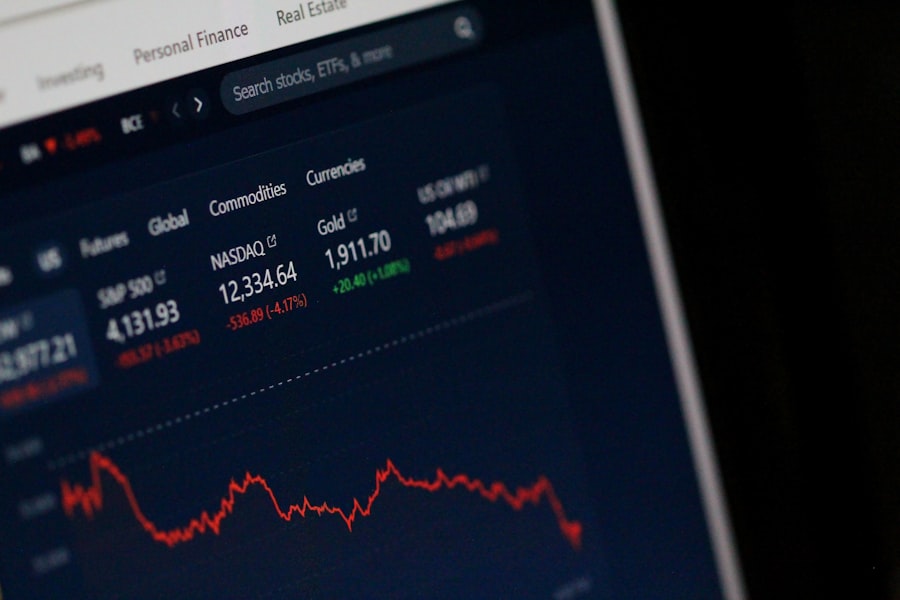
A well-structured investment portfolio is vital for achieving stability and growth over time. Diversification is the key principle behind this strategy; by spreading your investments across various asset classes—such as stocks, bonds, real estate, and commodities—you can reduce risk while maximizing potential returns. This approach protects you from market volatility, ensuring that a downturn in one area does not significantly impact your overall financial health.
When building your portfolio, consider your risk tolerance and investment horizon. If you are younger and have a longer time frame before needing access to your funds, you may opt for a more aggressive allocation towards equities. Conversely, if you are nearing retirement or have a lower risk appetite, a more conservative approach with a higher percentage of bonds may be appropriate. Regularly rebalancing your portfolio is also essential; as market conditions change, adjusting your allocations can help maintain your desired level of risk and return.
In the pursuit of financial independence, understanding the importance of investing in your future self is crucial. A related article that delves deeper into this topic is available at MeTime, where you can explore various strategies and insights that can help you build a sustainable financial foundation. By prioritizing your long-term goals and making informed decisions today, you can pave the way for a more secure and prosperous tomorrow.
The Power of Compound Interest and Long-Term Investing
| Metrics | Value |
|---|---|
| Annual Return on Investment | 8% |
| Compound Interest Rate | 5% |
| Investment Portfolio Diversification | 80% |
| Retirement Savings Goal | 1,000,000 |
One of the most powerful concepts in investing is compound interest—the ability of your investments to generate earnings on both the initial principal and the accumulated interest from previous periods. This phenomenon can significantly amplify your wealth over time, making it crucial to start investing as early as possible. The earlier you begin, the more time your money has to grow exponentially through compounding.
Long-term investing harnesses the power of compound interest effectively. By committing to a buy-and-hold strategy, you allow your investments to mature without the distractions of short-term market fluctuations. This approach not only reduces transaction costs but also minimizes emotional decision-making that can lead to poor investment choices. As you witness the growth of your investments over time, you’ll likely find renewed motivation to continue contributing towards your future self’s financial well-being.
Overcoming Common Obstacles to Investing in Your Future Self
Despite the clear benefits of investing in your future self, many individuals face common obstacles that hinder their progress. One significant barrier is the fear of losing money in the stock market or making poor investment choices. This fear can be paralyzing and may prevent you from taking the necessary steps toward building wealth. To overcome this challenge, educate yourself about investment strategies and market dynamics. Knowledge is empowering; understanding how markets work can help alleviate fears and build confidence in your decision-making.
Another common obstacle is the perception that investing requires substantial capital upfront. While it’s true that some investments may require significant initial contributions, many options are accessible even with limited funds. Consider starting with low-cost index funds or utilizing dollar-cost averaging—investing a fixed amount regularly regardless of market conditions—to gradually build your portfolio over time. By taking small steps and remaining consistent, you can overcome these barriers and set yourself on a path toward financial success.
Developing a Sustainable and Consistent Investment Strategy
Creating a sustainable investment strategy is essential for long-term success. This strategy should reflect not only your financial goals but also your lifestyle and values. Begin by assessing how much time and effort you are willing to dedicate to managing your investments. If you’re busy with work or family commitments, consider adopting a more passive approach through index funds or robo-advisors that automatically manage your portfolio based on your risk tolerance.
Consistency is key when it comes to investing. Establishing a routine—whether it’s monthly contributions or regular portfolio reviews—can help reinforce good habits and keep you accountable. Additionally, remain adaptable; as life circumstances change or new opportunities arise, be open to adjusting your strategy accordingly. A sustainable investment plan should evolve with you while maintaining focus on achieving your long-term objectives.
Leveraging Tax-Advantaged Accounts for Maximum Growth
Tax-advantaged accounts are powerful tools that can significantly enhance your investment growth potential. These accounts—such as 401(k)s, IRAs, or Health Savings Accounts (HSAs)—offer tax benefits that can help maximize your returns over time. For instance, contributions to traditional retirement accounts may be tax-deductible, reducing your taxable income in the present while allowing investments to grow tax-deferred until withdrawal.
Consider taking full advantage of employer-sponsored retirement plans by contributing enough to receive any available matching contributions; this is essentially free money that can accelerate your savings journey. Additionally, explore options like Roth IRAs that allow for tax-free withdrawals in retirement after meeting certain conditions. By strategically utilizing these accounts, you can optimize your investment growth while minimizing tax liabilities.
Seeking Professional Guidance and Advice for Smart Investing
While self-education is invaluable in the world of investing, seeking professional guidance can provide additional insights and expertise tailored to your unique situation. Financial advisors can help you navigate complex investment landscapes, offering personalized strategies based on your goals and risk tolerance. They can also assist in creating a comprehensive financial plan that encompasses budgeting, saving, and investing.
When choosing an advisor, look for someone who aligns with your values and understands your financial aspirations. Consider their qualifications, experience, and fee structure before making a decision. A good advisor will empower you with knowledge while providing support as you work towards achieving financial independence.
Monitoring and Adjusting Your Investments for Optimal Performance
Investing is not a one-time event; it requires ongoing monitoring and adjustments to ensure optimal performance over time. Regularly reviewing your portfolio allows you to assess whether it remains aligned with your goals and risk tolerance. Market conditions change frequently; being proactive in adjusting allocations or rebalancing can help mitigate risks associated with market volatility.
Set aside time at least once or twice a year to evaluate your investments comprehensively. Look for trends in performance and consider whether any changes in personal circumstances warrant adjustments to your strategy. By staying engaged with your investments and being willing to adapt when necessary, you’ll be better positioned to achieve long-term success.
Celebrating and Enjoying the Fruits of Your Future Self’s Investments
As you progress on your investment journey, it’s essential to take moments to celebrate the milestones along the way. Acknowledging achievements—whether big or small—can provide motivation and reinforce positive behaviors related to saving and investing. Consider treating yourself when reaching significant financial goals or simply reflecting on how far you’ve come since starting this journey.
Moreover, remember that investing isn’t solely about accumulating wealth; it’s also about enhancing your quality of life now and in the future. Use the fruits of your investments to create experiences that bring joy—whether it’s traveling, pursuing hobbies, or spending quality time with loved ones. By enjoying the rewards of your hard work while continuing to invest in yourself, you’ll cultivate a fulfilling life that reflects both present happiness and future security.
In conclusion, investing in your future self is an empowering journey filled with opportunities for growth and fulfillment. By understanding its importance, setting clear goals, identifying aligned opportunities, building diversified portfolios, leveraging compound interest, overcoming obstacles, developing sustainable strategies, utilizing tax advantages, seeking professional guidance, monitoring performance, and celebrating achievements along the way—you can create a brighter financial future for yourself and those you care about most.